1789: The Birth of Policing in New South Wales

On 8 August 1789, Governor Arthur Phillip authorised the formation of a nightwatch at Sydney Cove, drawing eight of the best-behaved convicts from the colony’s population. The Royal Marines, originally tasked with policing duties, had proved unwilling to discipline their fellow convicts, forcing Phillip’s hand. A free settler named John Smith had earlier been appointed as the colony’s first constable, becoming the first recorded police officer in Australia.

The Night Watch was joined by a Row Boat Guard, also composed of selected convicts. The Night Watch was replaced by the Sydney Foot Police in 1790 and evolved into an organised force that endured until the amalgamation of all New South Wales colonial police forces in 1862.

NSW Police Force recruits training with horses revolvers drill and gear

⬅ See all events from 8 August

Spread the word on your favourite platform!

1963: The Great Train Robbery Nets 2.6 Million Pounds in a Single Night

In the early hours of 8 August 1963, a gang of fifteen robbers, led by Bruce Reynolds, stopped the Glasgow-to-London Royal Mail train at Bridego Railway Bridge, Ledburn, Buckinghamshire. Acting on inside information from a senior Royal Mail security officer known only as ‘The Ulsterman’, they had tampered with trackside signals to halt the train. Driver Jack Mills was struck over the head with a metal bar and suffered serious, lasting injuries. The gang made off with 2.61 million pounds, then equivalent to around 64 million in 2024 values.

The robbers hid at Leatherslade Farm, 27 miles from the scene, but police found the hideout. A Monopoly board covered in fingerprints proved to be their undoing. Gang members including Gordon Goody, Buster Edwards, Charlie Wilson, Ronnie Biggs, and others were arrested and convicted. The ringleaders received 30-year sentences. The bulk of the stolen money was never recovered.

Great Train Robbery - Bank Holiday Windfall

⬅ See all events from 8 August

Spread the word on your favourite platform!

1796: First Fleet Convict John Finlow Hanged in Sydney for Murder

John Fendlow (c.1768-1796), a tinsmith convicted at the Old Bailey in 1783 for highway robbery, arrived in Sydney with the First Fleet in January 1788. After time on Norfolk Island, he received a 30-acre land grant at Mulgrave Place in November 1794 and worked as a settler in the Hawkesbury region with his partner Eleanor Byrnes.

On 4 July 1796, Fendlow shot dead his servant David Lane after Lane attempted to assault Byrnes. Byrnes testified that all three had been drinking on a boat that evening, and that Lane had come after her in the house. Fendlow was hanged in Sydney on 8 August 1796.

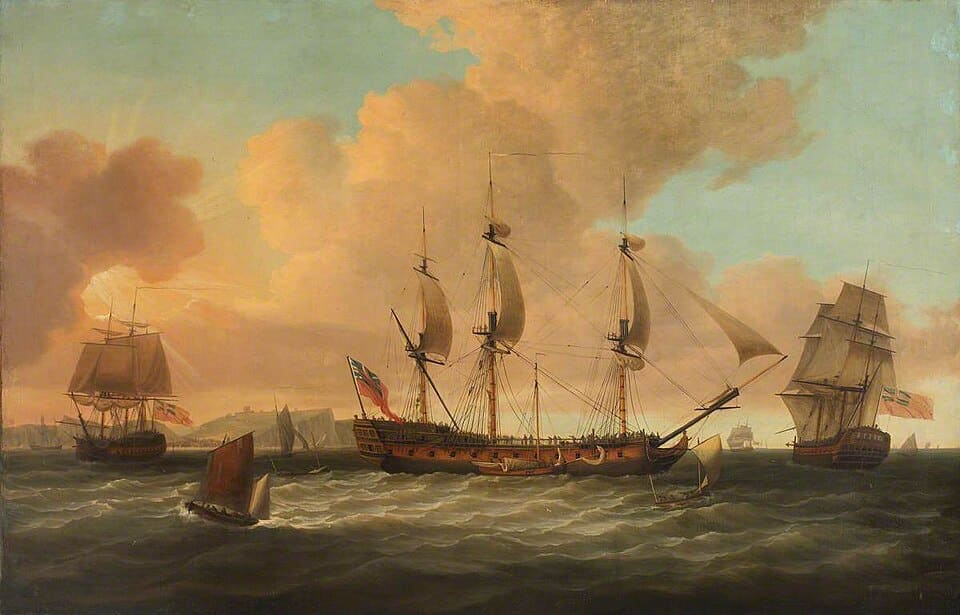
HMS Mercury after 1809. By William Huggins. National Maritime Museum, Greenwich, London

⬅ See all events from 8 August

Spread the word on your favourite platform!

1888: Martha Tabram Slain in Whitechapel, Possibly Jack the Ripper’s First Victim

In the early hours of 7 August 1888, Martha Tabram was found dead in George Yard Buildings, Whitechapel, stabbed 39 times. The 39-year-old had spent the previous evening drinking with a companion and two soldiers before separating in the early hours, never to be seen alive again. Though not among the canonical five Ripper victims, she is widely regarded as the most likely additional candidate.

Born Martha White in Southwark in 1849, she had lived a troubled life marked by a failed marriage, heavy drinking, and poverty. By 1888, separated from her long-term partner Henry Turner and evicted from their Commercial Road lodgings, she had been forced into street prostitution. Her killer was never identified.

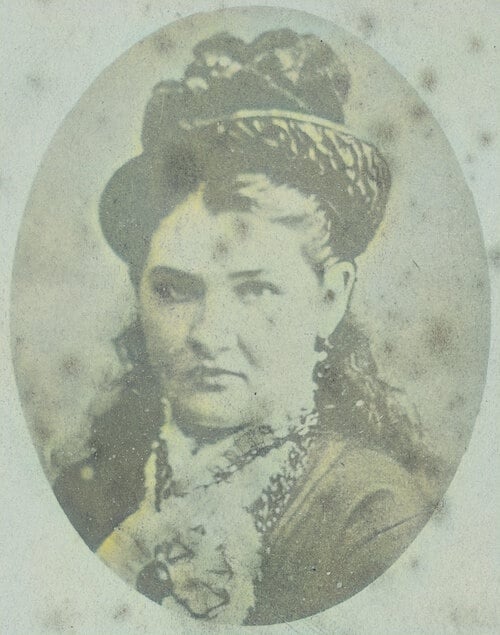
Portrait of Martha Tabram victim of a Victorian era murder case

⬅ See all events from 7 August

Spread the word on your favourite platform!
On This Day in True Crime History

Subscribe to Dark Stories

True crime stories, dark history and tour news, straight to your inbox.