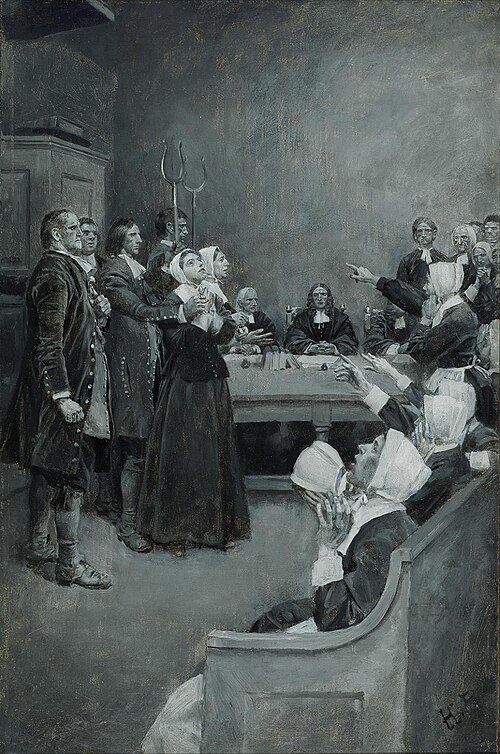
On 19 August 1692, five people were executed by hanging at Salem, Massachusetts, after being convicted of witchcraft: Martha Carrier, George Jacobs Sr., George Burroughs, John Willard, and John Proctor. The executions were among the most notorious of the Salem witch trials, a period of mass hysteria that gripped colonial New England.
Fourteen more people would be executed before the year was out, and 150 others were imprisoned. The Salem trials remain one of the darkest episodes in early American legal history.
Painting of two alleged witches being tried in Salem, Massachusetts as part of the infamous witchhunts.
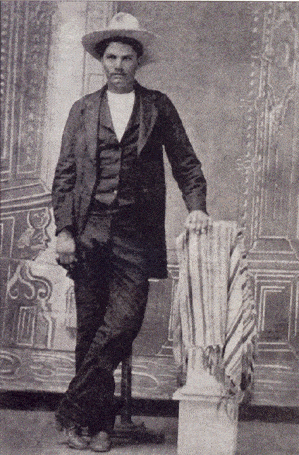
John Wesley Hardin was one of the most feared gunfighters of the American Old West. Born in Texas in 1853 to a Methodist preacher, he killed his first man at 15 and spent the following decade evading lawmen across the South. Sentenced to 24 years for murder in 1877, Hardin claimed to have killed 42 men, though historians estimate the true figure exceeded 20. He studied law in prison and wrote a self-aggrandising autobiography, widely noted for its exaggerations.
Within a year of his 1894 release, Hardin was shot dead by constable John Selman in the Acme Saloon in El Paso. Hardin had been gambling, rolling dice at the bar, and his last words were reportedly “Four sixes to beat.” Moments later, Selman walked up behind him and shot him in the head. Hardin was 42 years old.
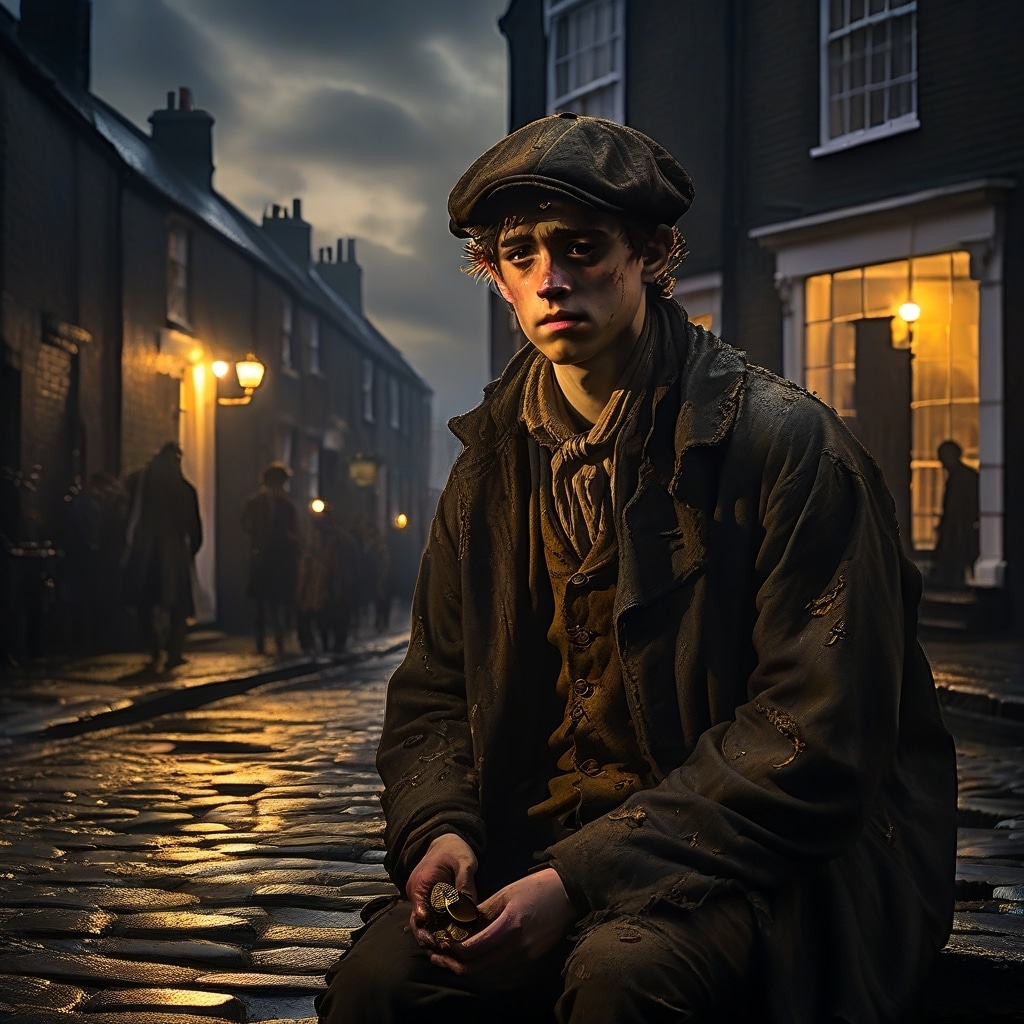
On the evening of 24 April 1878, drover J. Fisher McMichael was washing himself at a camp near Bundaberg when Sam Ah Poo, the cook on his droving run, struck him from behind with an axe. The blow opened a gash four inches long beside the backbone. As McMichael fell, Ah Poo swung twice more, shouting ‘I killoo you now, you no killeemo.’ McMichael survived only four hours. One of the drovers wrestled Ah Poo to the ground; when bound, Ah Poo appeared entirely calm, described by a witness as like one who had got a load off his mind.
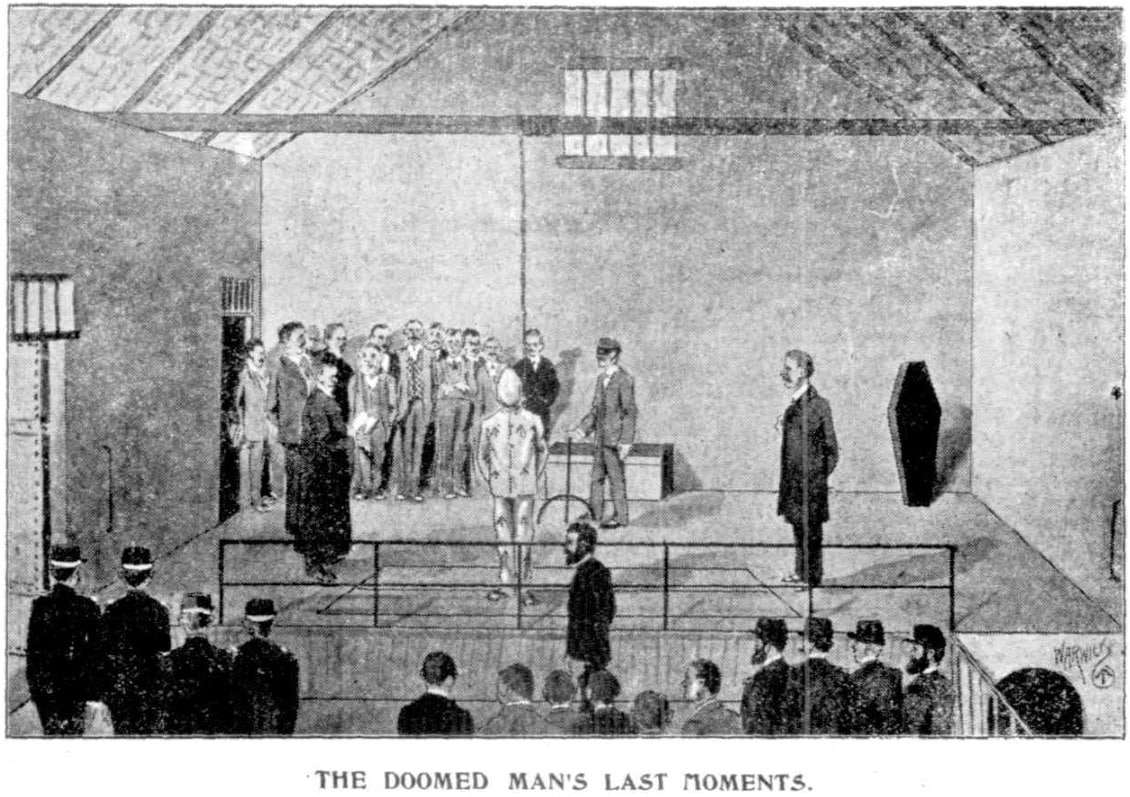
Tried at the Toowoomba Winter Assizes on 22 July 1878 before Justice Lilley, Ah Poo’s defence argued insanity and delusion. The jury disagreed, returning a guilty verdict after thirty minutes. On the morning of 19 August 1878, Ah Poo walked to the scaffold at Toowoomba Gaol with firm steps, requiring little support from the warders. The bolt was drawn at eight o’clock and death followed almost instantaneously.
Stockman on horseback droving cattle along dusty dirt road
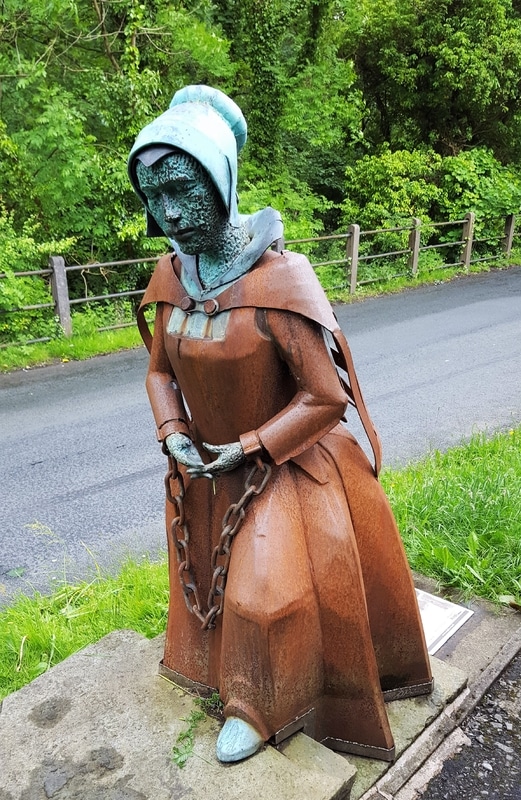
In August 1612, eleven people stood trial at Lancaster Castle accused of witchcraft in one of the most thoroughly documented witch trials in English history. Six of the accused came from two rival poverty-stricken families: the Demdikes, led by Elizabeth Southerns known as Old Demdike, and the Chattoxes, led by Anne Whittle known as Mother Chattox. The trials unfolded against a backdrop of religious unrest in Lancashire, a region long regarded as resistant to Protestant authority and sympathetic to Catholicism.
Ten of the eleven were found guilty and executed. The proceedings were recorded in an official publication, The Wonderfull Discoverie of Witches in the Countie of Lancaster, by court clerk Thomas Potts, ensuring the case survived as legend. In a country where fewer than 500 people were executed for witchcraft over three centuries, this single summer of trials in Pendle accounts for roughly 2% of that total.