1971: Man Commits Mass Murder: Freed Eight Years Later to Start a New Life

On the night of 6 September 1971, dairy farmer Clifford Bartholomew murdered ten members of his family at their Hope Forest property south of Adelaide, including his wife, seven children aged between four and 19, his sister-in-law and his infant nephew. When police arrived, Bartholomew was sitting calmly at the kitchen table drinking beer; one detective later described him as “cool, calm and collected.”

Bartholomew admitted the killings and was sentenced to death, but his sentence was later commuted to life imprisonment. Despite the scale of the crime, he was released on parole in 1979 after serving just eight years.

Under the new identity Clifford Palmer, he rebuilt his life, remarried and became stepfather to seven children. He lived quietly until his death in 2002. Years later, his second family learned the full extent of his past and discovered that the man they had known as “Poppy Cliff” had been responsible for one of Australia’s worst family massacres.

Abandoned farmhouse with hangmans noose under dark sky

⬅ See all events from 6 September

Spread the word on your favourite platform!

1842: Man Hanged at Melbourne for the Killing of an Overseer at Mount Rouse

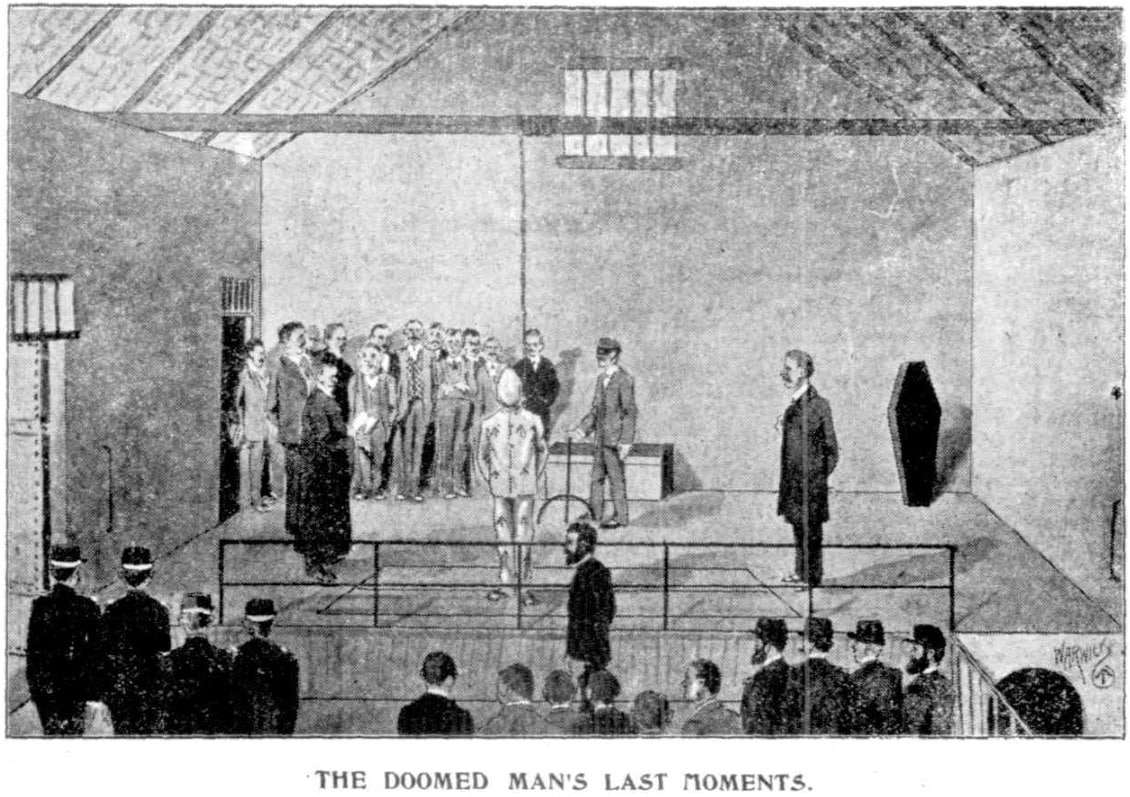
On 5 September 1842, a man known as Figara Alkapareet was hanged in the Port Phillip District for his alleged part in the killing of an overseer named Codd at Mount Rouse two years earlier. Witnesses placed Figara among a group of men who attacked Codd, although questions surrounded his identification and Figara maintained that it was his brother who had been at Mount Rouse while he was elsewhere washing sheep.    After a jury found him guilty, Figara was sentenced to death. Contemporary accounts described him as meeting his fate with a sense of “natural resignation,” apparently accepting his approaching death without outward resistance.    His execution provoked criticism in the newspapers, which questioned the justice and usefulness of the punishment amid the violent conflict and dispossession of the period. Even at the time, Figara’s death prompted debate over whether the law was being applied justly.

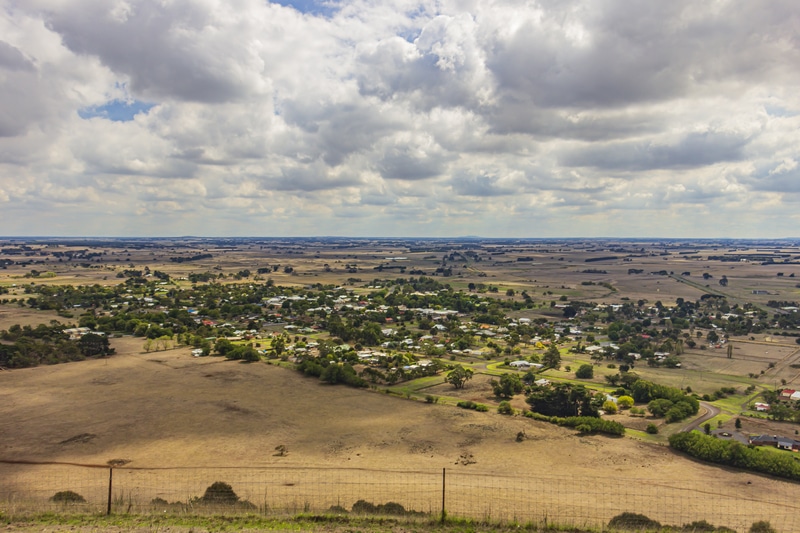
View from Mount Rouse summit over Southern Grampians plain

⬅ See all events from 5 September

Spread the word on your favourite platform!

1975: Gerald Ford Survives Assassination Attempt in Sacramento

On 5 September 1975, President Gerald Ford was leaving a meeting at the Senator Hotel in Sacramento, California, when Lynette ‘Squeaky’ Fromme, a follower of Charles Manson, pointed a loaded .45-calibre pistol at him from close range. A Secret Service agent grabbed the weapon before it could be fired, and Ford was unharmed.

Fromme was arrested on the spot. She was later tried and convicted of attempted assassination of the President, receiving a life sentence. It was the first of two attempts on Ford’s life within a single month, the second coming just 17 days later in San Francisco.

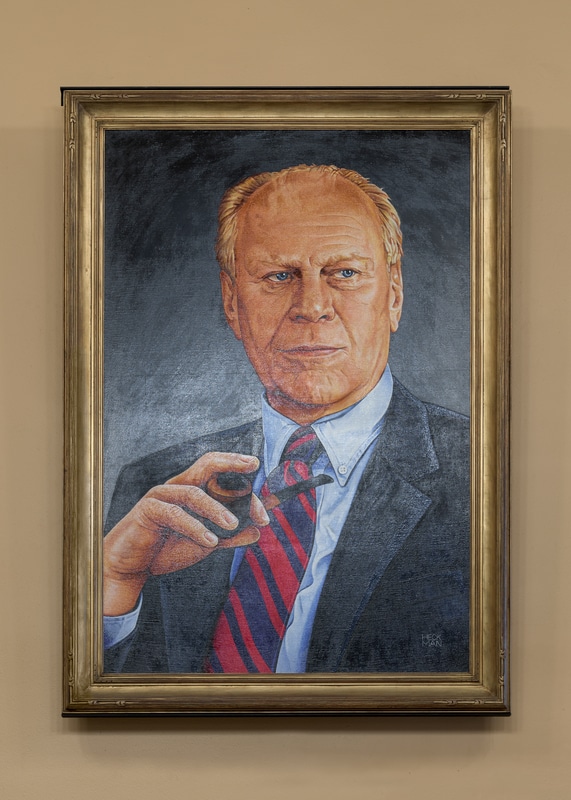
Gerald Ford portrait in the Michigan State Capitol at 100 N Capitol Avenue in Lansing, Michigan | ID 103716497 © Glenn Nagel | Dreamstime.com
ID 103716497 © Glenn Nagel | Dreamstime.com

⬅ See all events from 5 September

Spread the word on your favourite platform!

1873: A Husband Killed by Mercury in Moonta, South Australia

Thomas Woolcock died at 3 am on 4 September 1873 in Moonta, Adelaide having suffered weeks of stomach pains, nausea, and prolonged vomiting. His death was initially attributed to exhaustion, but suspicion quickly fell on his wife Elizabeth Woolcock, a woman whose own life had been marked by hardship, abuse, and desperation.

Elizabeth had endured years of violence at the hands of Woolcock, a heavy-drinking wife-beater who had repeatedly prevented her from leaving. In the weeks before his death, she had made increasingly frantic attempts to obtain morphine and other substances from local chemists, and her behaviour had become talk of the community. Charged with murder by mercury poisoning, Elizabeth was tried, convicted, and hanged at Adelaide Gaol on 30 December 1873. She remains the only woman ever executed in South Australia.

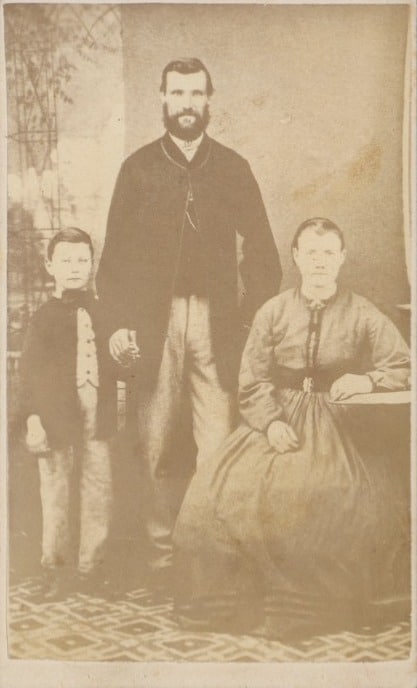
Elizabeth Lillian Woolcock with her husband Thomas and their son Tom, c.1865. State Library of South Australia, B 12311. Public domain.

⬅ See all events from 4 September

Spread the word on your favourite platform!
On This Day in True Crime History

Subscribe to Dark Stories

True crime stories, dark history and tour news, straight to your inbox.