1618: A Sharp Medicine for All Diseases: the Execution of Sir Walter Raleigh

Sir Walter Raleigh had already cheated the executioner once. Convicted of treason within months of Queen Elizabeth's death, after rivals whispered that he had opposed the accession of King James, he was spared at the last moment and spent thirteen years locked in the Tower of London instead.

Released in 1616 to hunt for gold in Guiana, Raleigh promised the voyage would bring no trouble with Spain. It did: his men attacked a Spanish outpost against direct orders, the expedition found no gold, and Raleigh came home to a king eager to please Madrid and an old death sentence still on the books. It was carried out in London on 29 October 1618.

On the scaffold he asked to examine the axe himself, running a thumb along the blade before remarking, "This is a sharp medicine, but it is a physician that will cure all diseases."
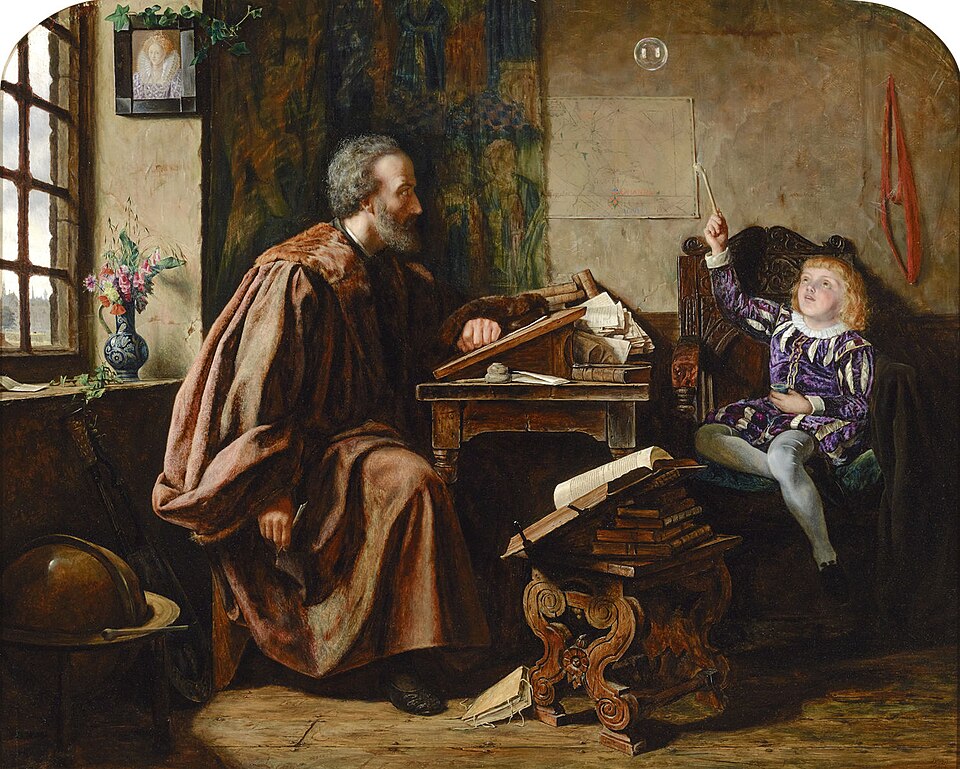

Sir Walter Raleigh imprisoned in the Tower of London by Henry Wallis

⬅ See all events from 29 October

Spread the word on your favourite platform!

1927: Squizzy Taylor Buried in Melbourne as a Morbid Crowd Forces Police to Intervene

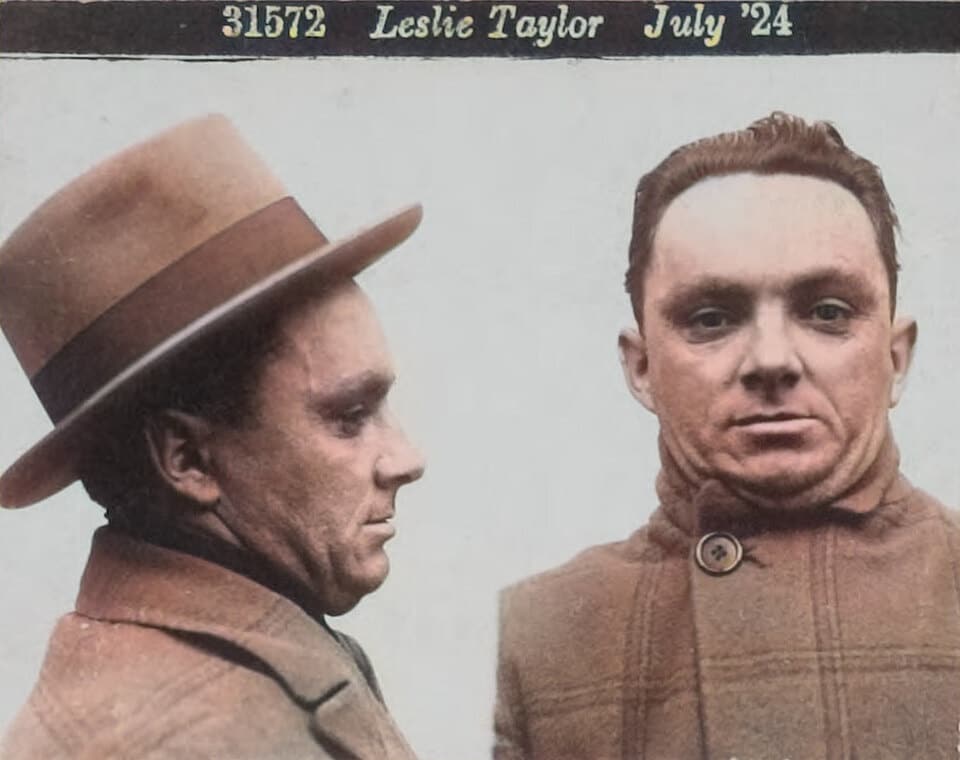
Joseph Theodore Leslie "Squizzy" Taylor, Melbourne's most notorious gunman, had died days earlier in a shootout with rival criminal Cutmore. He was buried in a polished oak coffin with gold mountings at Brighton Cemetery on this day in 1927, while hundreds of onlookers, mostly women, crowded outside his Richmond home to watch the coffin leave.

What followed was described in the press as a disgraceful exhibition of morbid curiosity. Traffic was blocked for half an hour, and just before the funeral began a crowd surged at the gateway, forcing police to be called to clear a path. At the graveside few of Taylor's former associates could be seen among the throng of sightseers. Cutmore, the other man killed in the same gun battle, had been buried the previous day at Coburg.

The Squiz: Leslie 'Squizzy' Taylor, police identification photographs July 1924 [collection of the Public Record Office of Victoria, Central Register for Male Prisoners 31530 - 31927 (1907-1909)]

⬅ See all events from 29 October

Spread the word on your favourite platform!

1957: Marshal Zhukov Returns From a Foreign Trip to Find Himself Purged by Khrushchev

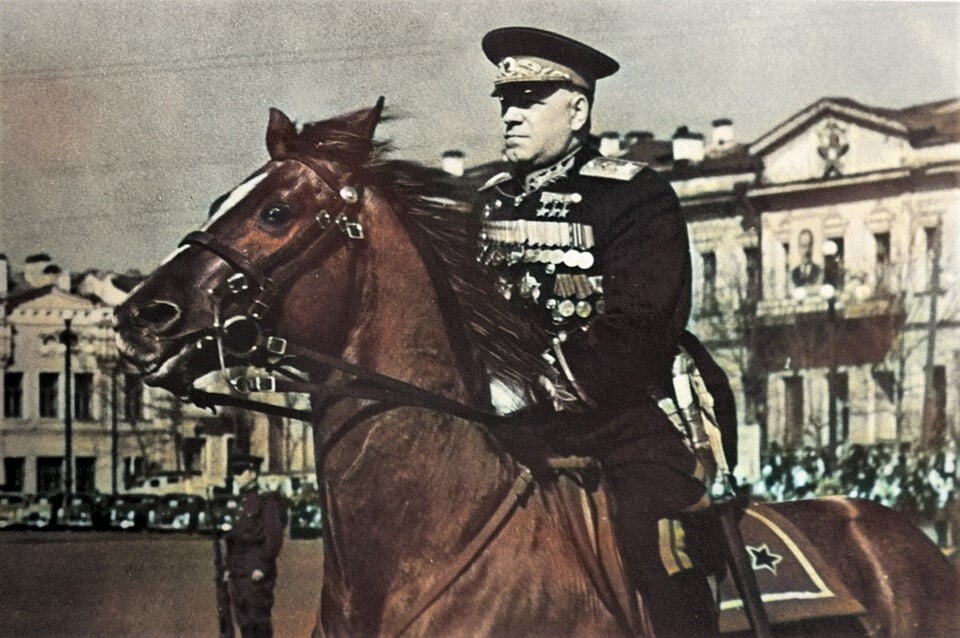
Georgi Zhukov was the Soviet Union's most celebrated soldier, the man who had accepted Germany's surrender and inspected the Moscow Victory Parade. That fame became his undoing. After Stalin's death, Zhukov helped Nikita Khrushchev secure power and was rewarded with the post of Defence Minister, but his popularity soon made him look like a rival rather than an ally.

In October 1957, while Zhukov was away on an official visit to Yugoslavia and Albania, the ground shifted beneath him. He flew back into Moscow on 26 October and was taken straight into a Presidium meeting, where he was removed from the body on the spot. Within days the Central Committee accused him of fostering his own personality cult and conducting unauthorised foreign dealings; he was expelled and forced into retirement at 61, never to hold high office again.

Photograph: Russian Ministry of Defence (Mil.ru), licensed under CC BY 4.0. Digitally colourised and enhanced.

⬅ See all events from 26 October

Spread the word on your favourite platform!

1888: Mutiny on the Brisbane River: the Captain Who Threatened to Turn His Guns on Parliament

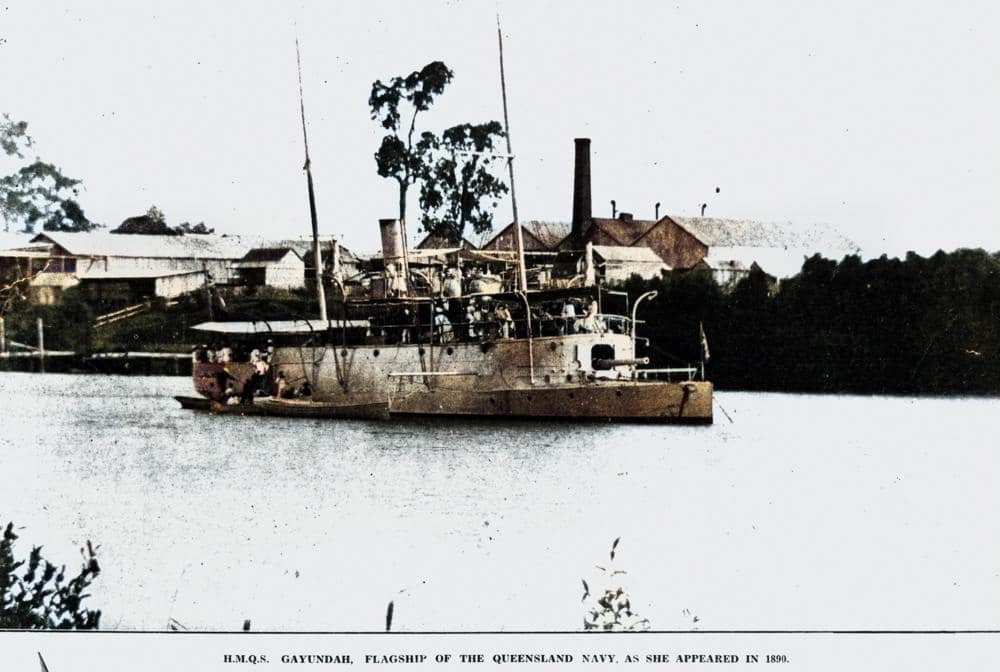
Captain Henry Townley Wright refused to hand command of the gunboat Gayundah to his second officer, Lieutenant Francis Taylor, and had him arrested instead, declaring the vessel under Royal Navy authority rather than the Queensland government. He threatened to train the ship's guns on the Parliament building overlooking the Brisbane River while loading coal and three months of supplies, apparently preparing to sail for Sydney rather than be dismissed over a long running dispute about unauthorised spending of public funds.

On this day in 1888, the Colonial Secretary sent the Police Commissioner and twenty armed constables to retake the ship, drawing a crowd of two thousand onlookers to the riverbank. After a tense standoff, Wright accepted defeat. He wrote a formal letter of protest, read it aloud on deck, released Taylor from arrest, then calmly borrowed a light for a cigarette from a bystander before stepping ashore under police escort.

HMQS Gayundah Queensland Navy flagship in 1890

⬅ See all events from 25 October

Spread the word on your favourite platform!
On This Day in True Crime History

Subscribe to Dark Stories

True crime stories, dark history and tour news, straight to your inbox.