1895: George Dean, Pardoned for Poisoning His Wife, Convicted of Perjury in Sydney

George Dean, captain of a Sydney harbour ferry celebrated for pulling drowning passengers from the water, was sentenced to death in 1895 for poisoning his wife, Mary, with arsenic and strychnine hidden in lemon syrup and tea. No one could prove he had ever bought the poison, and a public outcry over the verdict forced a Royal Commission, which found the evidence wanting; Dean walked free with a pardon that June.

The relief did not last. His own lawyer admitted to a former Chief Justice that Dean had privately confessed his guilt, and a North Shore chemist came forward swearing he had sold Dean the poison himself, with no entry ever made in the sale book. Dean was arrested again and confessed in writing.

On 24 October 1895 he was convicted of making a false declaration and sentenced to five years. The following day a second conviction, for perjury committed to procure his own acquittal on the capital charge, added fourteen years, the terms to run concurrently.
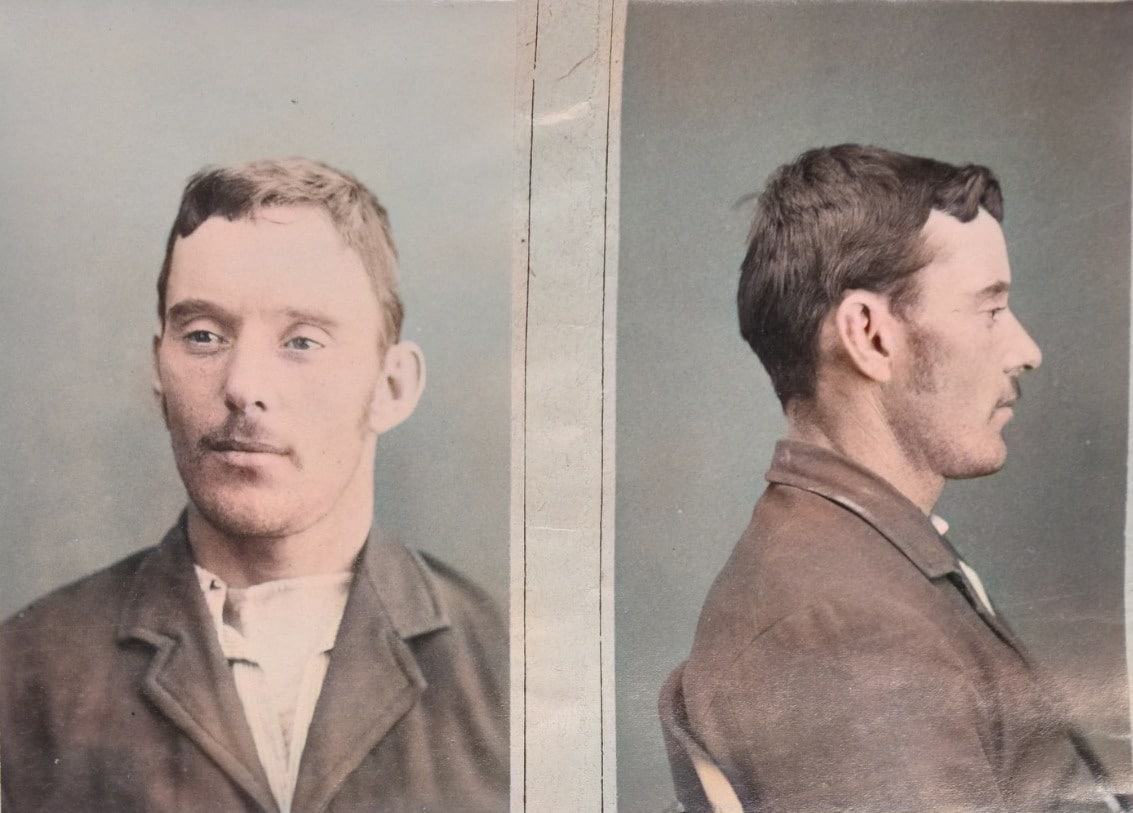

George Dean lemon syrup case. Prison photograph. Credit: Museums of History NSW, State Archives Collection.

⬅ See all events from 24 October

Spread the word on your favourite platform!

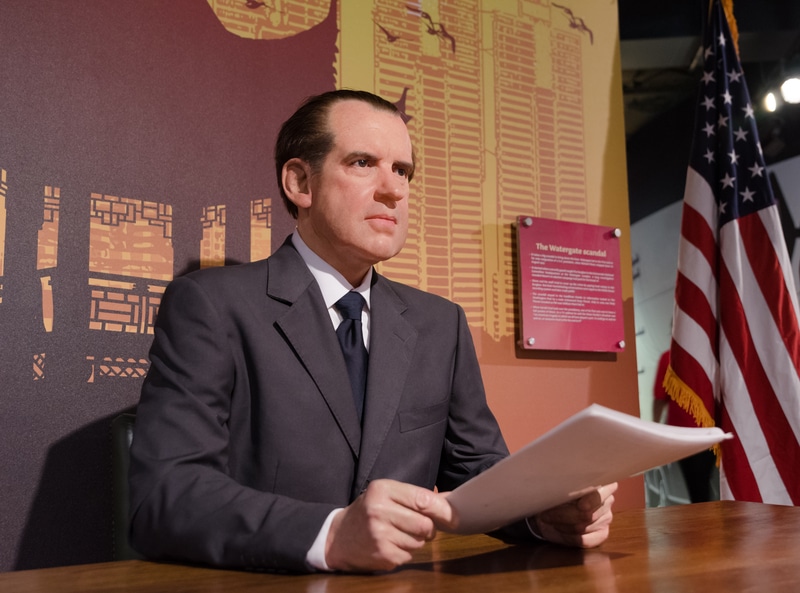
1973: Nixon Defies the Courts: the Watergate Tapes Standoff That Doomed a Presidency

Richard Nixon had a choice: hand over the secret Oval Office recordings a court had ordered released, or dig in. On 19 October 1973, he chose defiance, rejecting an Appeals Court demand to turn over the Watergate tapes, recordings that held the conversations investigators believed would prove his role in the cover-up.

The refusal pushed Nixon to the edge of contempt of court and deepened a crisis that had already consumed his presidency. Rather than hand over the evidence, he tried to offer summaries in its place, a move that satisfied no one and only hardened suspicion that the tapes contained exactly what his accusers suspected. The standoff over those recordings would drag on for months, and it was the eventual release of the tapes that sealed his resignation the following year.

President Richard Nixon made of Wax. Wax figure Richard Nixon reading documents with american flag at desk | ID 59298060 © Lequint | Dreamstime.com
ID 59298060 © Lequint | Dreamstime.com

⬅ See all events from 19 October

Spread the word on your favourite platform!

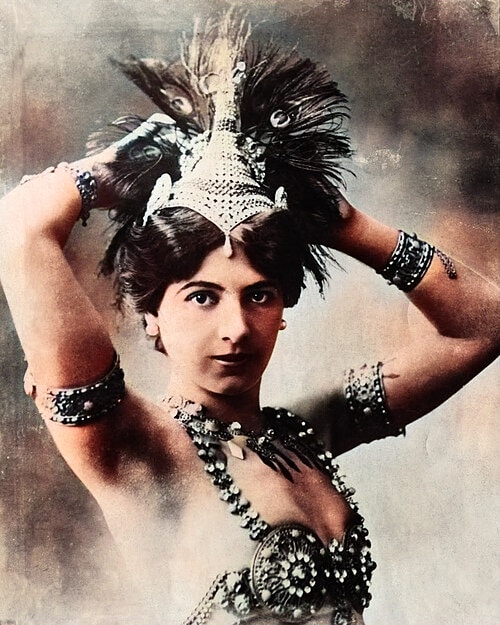
1917: Mata Hari Executed by Firing Squad as a German Spy in Paris

She was born Margaretha Zelle in the Netherlands and reinvented herself in Paris as Mata Hari, an exotic dancer whose stage act and string of wealthy, often military, lovers made her a sensation across Europe. When war came, French intelligence suspected she was selling pillow talk to Germany.

The evidence against her was thin and largely circumstantial, built on intercepted telegrams and a reputation for scandal rather than proof. A French military tribunal convicted her of espionage anyway, and she was executed by firing squad outside Paris on 15 October 1917.

She refused a blindfold and reportedly blew a kiss to the soldiers before they fired, going to her death still insisting she had never betrayed France.

Mata Hari - 1910
Mata Hari - 1910

⬅ See all events from 15 October

Spread the word on your favourite platform!

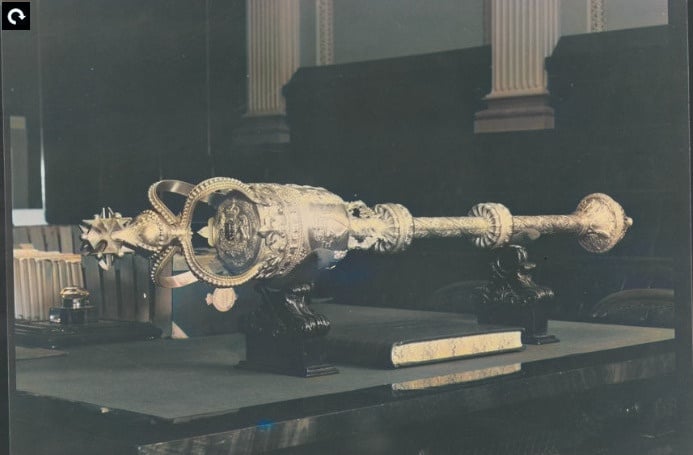
1891: The Mace, the Madam, and a Melbourne Scandal That Never Died

In the early hours of 9 October 1891, the ceremonial mace vanished from Parliament House in Melbourne, the silver-plated symbol of the speaker's authority gone from a locked case. A parliamentary engineer was seen that same day running from the building with a parcel the right size and shape to be the mace; he told police it was firewood, and with no proof against him the investigation stalled.

Thirteen months later newspapers claimed the mace had turned up in the parlour of a notorious madam who catered to visiting members of parliament, a story so delicious it triggered a formal Board of Inquiry. The board cleared the brothel but settled nothing else, and popular rumour simply shifted the blame onto the new Speaker, Thomas Bent, despite his having taken office only after the theft. The mace was never seen again, and whether it was a burglary or a parliamentary prank gone wrong remains Melbourne's favourite unsolved mystery.

Parliamentry Mace Stolen: Credit: Public Record Office Victoria, VPRS 14517/P0001/39, O884.

⬅ See all events from 9 October

Spread the word on your favourite platform!
On This Day in True Crime History

Subscribe to Dark Stories

True crime stories, dark history and tour news, straight to your inbox.