1949: The Acid Bath Murderer: John Haigh Hanged for Six Killings

John George Haigh was an English serial killer who battered or shot his victims, then dissolved their bodies in sulphuric acid to erase all evidence. He forged his victims’ signatures to sell their possessions and collect large sums of money, a scheme he had refined through years of fraud and multiple prison terms. Though convicted of six murders, Haigh claimed to have killed nine.

Born in Stamford, Lincolnshire, and raised in Yorkshire by strict Plymouth Brethren parents, Haigh drifted from fraud into murder after becoming fascinated by French killer Georges-Alexandre Sarret, who had used acid to dispose of bodies. He was arrested in 1949 after police connected him to the disappearance of a widow whose remains, including gallstones and false teeth, survived the acid and were found at his workshop in Crawley, Sussex. Haigh was convicted at Lewes Assizes and hanged at Wandsworth Prison on 10 August 1949.
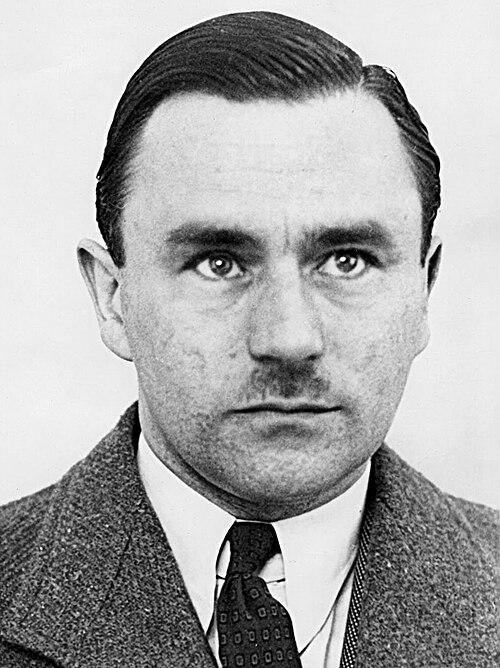

Portrait of john george haigh

⬅ See all events from 10 August

Spread the word on your favourite platform!

1888: Martha Tabram Slain in Whitechapel, Possibly Jack the Ripper’s First Victim

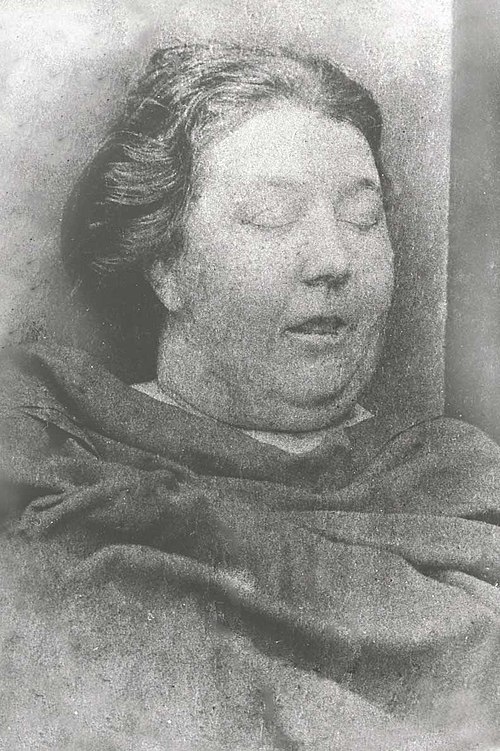
In the early hours of 7 August 1888, Martha Tabram was found dead in George Yard Buildings, Whitechapel, stabbed 39 times. The 39-year-old had spent the previous evening drinking with a companion and two soldiers before separating in the early hours, never to be seen alive again. Though not among the canonical five Ripper victims, she is widely regarded as the most likely additional candidate.

Born Martha White in Southwark in 1849, she had lived a troubled life marked by a failed marriage, heavy drinking, and poverty. By 1888, separated from her long-term partner Henry Turner and evicted from their Commercial Road lodgings, she had been forced into street prostitution. Her killer was never identified.

Portrait of Martha Tabram victim of a Victorian era murder case

⬅ See all events from 7 August

Spread the word on your favourite platform!

1910: Dr Crippen Captured at Sea, the First Fugitive Caught by Wireless Telegraph

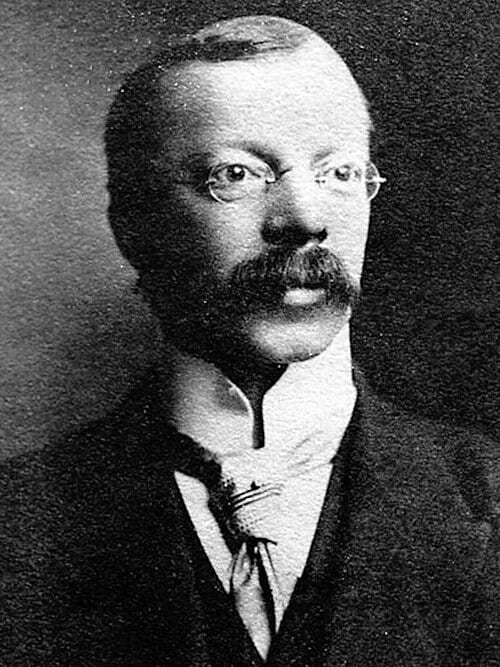
American homeopath Hawley Harvey Crippen became one of history’s most notorious wife-murderers when his second wife, Cora, vanished after a dinner party at their home in Holloway, London, on the night of 31 January 1910. Crippen claimed she had returned to the United States and later died there, but Scotland Yard grew suspicious when his mistress, Ethel Le Neve, was seen openly wearing Cora’s jewellery. When police dug up the cellar at 39 Hilldrop Crescent, they found human remains.

Crippen and Le Neve fled aboard the SS Montrose bound for Canada. The ship’s captain, recognising the fugitives, used the newly available wireless telegraph to alert Scotland Yard. Chief Inspector Walter Dew boarded a faster ship, intercepted the Montrose, and arrested Crippen mid-Atlantic on 31 July 1910, making him the first criminal in history captured with the aid of wireless telegraphy. Crippen was returned to London, tried at the Old Bailey, convicted of murder, and hanged at Pentonville Prison on 23 November 1910.

Portrait of Dr Crippen early 1900s suspect in murder case

⬅ See all events from 31 July

Spread the word on your favourite platform!

1540: Thomas Cromwell Beheaded on Tower Hill for Treason Against Henry VIII

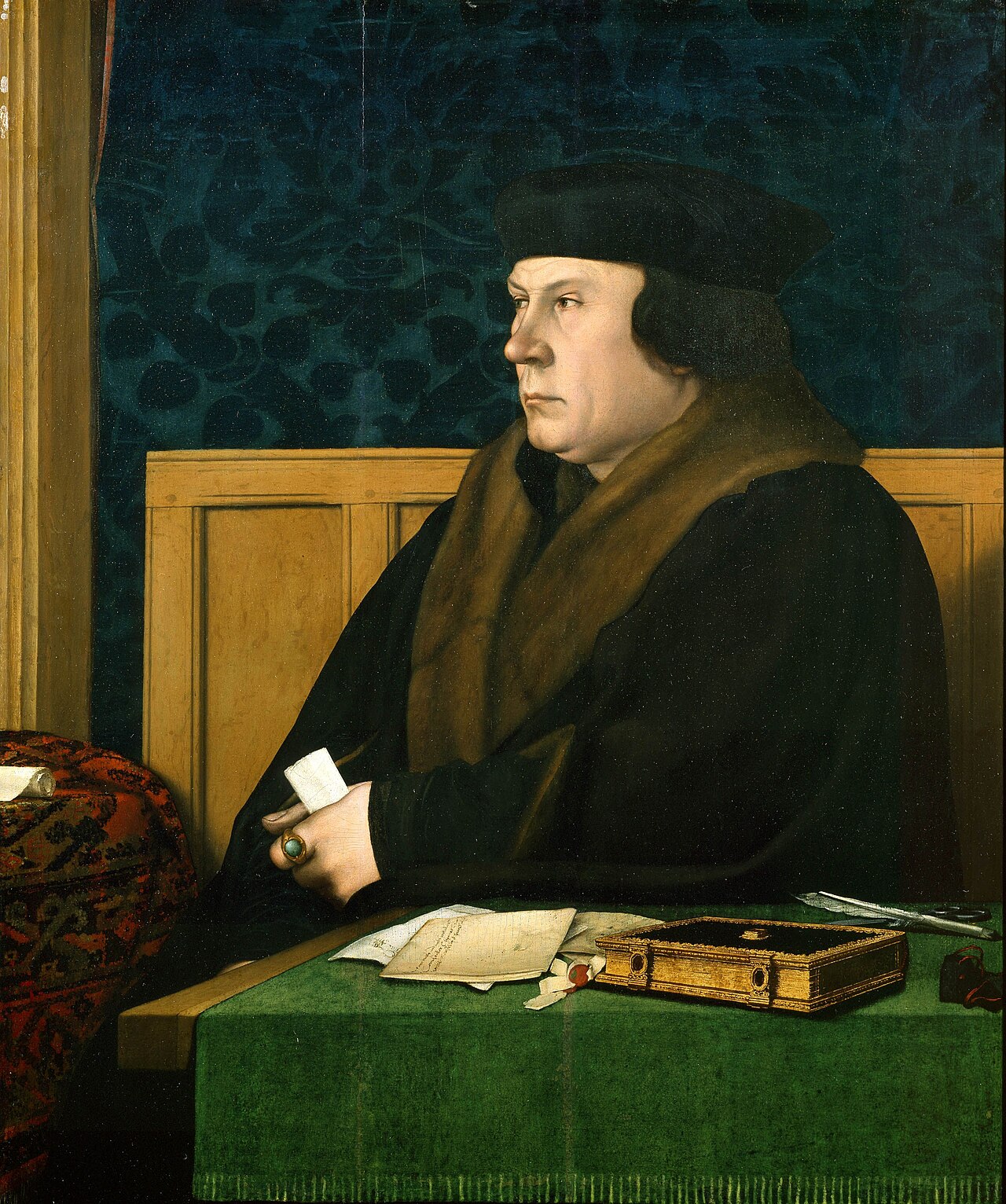
Thomas Cromwell, chief minister to King Henry VIII and chief architect of the English Reformation, was executed on Tower Hill on 28 July 1540. Born around 1485 in Putney, Surrey, he had risen from humble origins to become the most powerful man in England after the king, reshaping both church and government. His downfall came after he arranged the king’s disastrous marriage to Anne of Cleves, a union annulled within six months. Arraigned under an act of attainder for treason and heresy, he was beheaded without trial.

On the same day Cromwell lost his head, Henry VIII married his fifth wife, Catherine Howard. Henry later expressed deep regret at the execution of his chief minister, widely regarded as one of the most consequential acts of his reign.

Portrait of Thomas Cromwell Tudor statesman

⬅ See all events from 28 July

Spread the word on your favourite platform!
On This Day in True Crime History
1794·The First Free Settler Murdered in the Colony: Hanged at Sydney for a Parramatta Stabbing
1826·The Gun That Misfired Twice: Three Bushrangers Hanged Outside Sydney
1873·A Tearful Confession in Custody Cracked the Case: Two Men Hanged at Perth Gaol for Eating their Victim
1889·He Called It an Accident. The Jury Called It Murder: Robert Landells Hanged at Melbourne Gaol
1907·A Doctor Fooled Twice: Martha Rendell and the Second Child to Die of Diphtheria
2002·Shot Dead in His Own Bed: A Melbourne Gangland Killing Blamed on a Friend
More Crime On This Day →

Subscribe to Dark Stories

True crime stories, dark history and tour news, straight to your inbox.