Robert Perkins: The Baker Who Could Not Escape His Past

Robert Perkins grows up the son of a prosperous innkeeper near Hempsted in Hertfordshire, but when his mother dies and his father remarries, the boy is cast out of his own home and stripped of everything. Disinherited, apprenticed to a baker, and left to the wide world, he drifts toward drink, gambling, and the company of young men heading nowhere good.

One night in a Whitechapel alehouse, a marked crown piece is found in his pocket, and just like that, old England's justice takes hold of him and does not let go. His story is a true crime case built on small misfortunes that stack into something terrible.

Listen now to how a stolen coin set a young man on a course that would carry him across oceans and back again, with the law waiting at every shore.
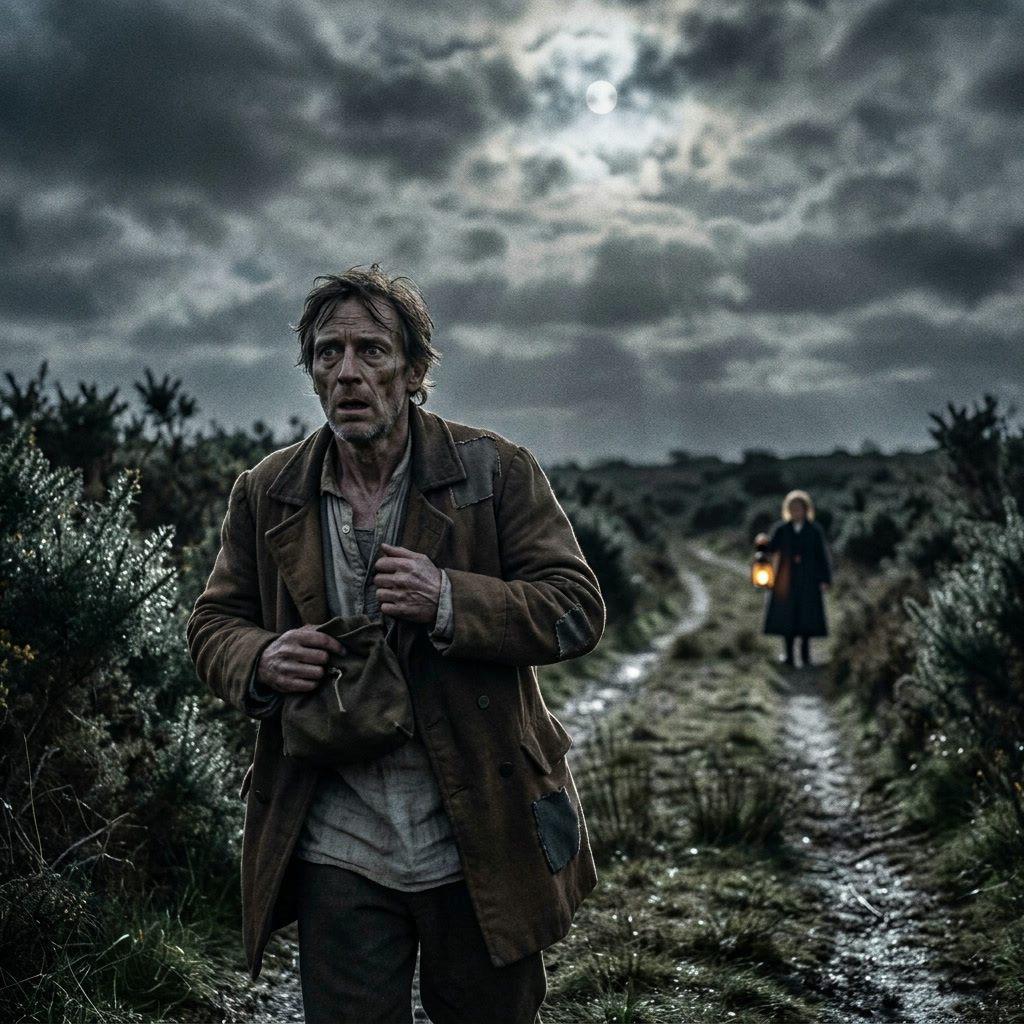
Robert Perkins: The Baker Who Could Not Escape His Past

Follow the podcast so you never miss an episode:

Apple PodcastsSpotifyAmazon MusicMore apps

FROM THE 1735 TEXT

the ready way to force a naked uninstructed youth on the most sinful courses

CASE FILE No. 4
NAMERobert Perkins
AGEnot recorded
WHEN1721
WHEREHempsted, Hertfordshire; Whitechapel; Jamaica; Carolina; Gravesend; Tyburn
CHARGETheft and returning from transportation
FATEHanged at Tyburn, 5 July 1721
SOURCELives of the Most Remarkable Criminals, 1735
HANGED

Dark Lexicon: Old words. Dark meaning.

The past speaks its own dialect; here is what to listen for in this episode.

Mother-in-law: today this means your spouse's mother, but in old England it commonly referred to a stepmother. When the text says Perkins's 'mother-in-law' turned him out, it means the woman his father married after his real mother died.

Cast: not thrown, but convicted. In old England's courtrooms, to be 'cast' was to be found guilty; the word carried a finality that felt like being tossed aside by the law itself.

Transportation: the practice of shipping convicted criminals to colonies overseas as forced labourers. In old England it served as a middle punishment between whipping and the gallows; for someone like Perkins, it meant being sold to a planter for years of backbreaking work.

Crown piece: a silver coin worth five shillings. A marked crown was one with distinctive scratches or notches that let its owner identify it; shopkeepers in old England used this trick to catch thieves, essentially turning their own money into evidence.

Upon the rake: to go 'upon the rake' meant to go out looking for wild, dissolute fun: drinking, gambling, chasing trouble. Think of it as the old England version of a night out that everyone knows will end badly.

Shuffle-board: not the cruise-ship pastime you might picture, but a tavern game in old England where coins or discs were slid along a table. It was a common haunt of idlers and gamblers, and the text lists it alongside skittle-playing as evidence of Perkins's wasted days.

Sessions: the regular sittings of a criminal court in old England. Cases moved fast once the sessions came on; there was no long wait for trial, and for someone like Perkins, that speed was devastating.

Returning from transportation: coming back to England before your sentence of banishment had expired was a capital offence in old England. It did not matter how you had suffered abroad or how honestly you had lived since; the return itself was enough to hang you.

About This Series

Lives of the Most Remarkable Criminals (1735) is one of the earliest works of true crime in the English language. Each week this podcast retells one of its stories for today's listener, keeping the old book's most striking lines.
Spread the word on your favourite platform!

William Barton: The Highwayman Who Could Not Stay Put

William Barton is born into comfort: his grandfather keeps a thriving eating house in Covent Garden, gentlemen press coins into the boy's hand, and a good trade awaits him. But something wild runs in the Barton blood, and no amount of kindness can hold him still.

His father has already abandoned the family for Jamaica and a mistress; now young Will follows, chasing a fortune that does not exist. What begins as restless dreaming hardens, voyage by voyage, into something far more dangerous: a man who discovers he has a taste for robbery and no talent for stopping.

This is true crime at its most human and its most reckless: listen to the story of William Barton.

William Barton: The Highwayman Who Could Not Stay Put

Follow the podcast so you never miss an episode:

Apple PodcastsSpotifyAmazon MusicMore apps

FROM THE 1735 TEXT

Content, when its basis rests not upon virtue, is incapable of continuing long.

CASE FILE No. 3
NAMEWilliam Barton
AGEabout 31
WHEN1710s-1721
WHERELondon, Jamaica, Spain, Flanders, Covent Garden
CHARGEHighway robbery and return from transportation
FATEHanged, 12 May 1721
SOURCELives of the Most Remarkable Criminals, 1735
HANGED

Dark Lexicon: Old words. Dark meaning.

The past speaks its own dialect; here is what to listen for in this episode.

Uxorious: excessively devoted to one's wife. In old England this was not a compliment; when the text calls Barton 'too uxorious,' it means his obsessive love for his wife drove him to rob rather than let her live in poverty.

Reconnoitre: to scout ahead and gather intelligence on an enemy. Barton uses the word with military precision, sending his partner forward to size up a stage coach as though it were a battlefield position: four men with blunderbusses, two ladies and a footman.

Blunderbuss: a short, wide-mouthed firearm that sprayed shot in a broad pattern, devastating at close range. Coaches in old England carried them specifically for highway defence; the fact that four passengers held them tells you how dangerous the roads had become.

Transported: sentenced to forced exile in a colonial plantation. In old England, transportation was meant as mercy compared to hanging, but returning before your term expired was a capital offence all by itself.

Planter: a colonial landowner who purchased the labour of transported convicts and enslaved people alike. Barton's master pays eighteen pounds for him: the going price for a human being with useful skills.

Brace of balls: a pair of musket balls fired in quick succession. The word 'brace' simply meant two, often of matched items; here it is a warning volley, two shots cracking over the coachman's head.

Committed to Newgate: sent to Newgate Prison, the most feared gaol in old England. To be 'committed' was not a casual booking; it meant a magistrate had formally ordered you held there, often in chains, to await trial.

Ignominious death: a death marked by public shame and disgrace. In old England, a public hanging was designed to humiliate as much as to punish; the word 'ignominious' tells you the crowd was meant to see not just a death but a lesson.

About This Series

Lives of the Most Remarkable Criminals (1735) is one of the earliest works of true crime in the English language. Each week this podcast retells one of its stories for today's listener, keeping the old book's most striking lines.

Spread the word on your favourite platform!
On This Day in True Crime History

Subscribe to Dark Stories

True crime stories, dark history and tour news, straight to your inbox.