1830: Flogged for Skinny-Dipping, He Led a Bushranger Uprising That Ended With Ten Hanged at Bathurst

Ralph Entwistle was a transported labourer assigned to a farm near Bathurst when he and a fellow convict stopped to cool off in the Macquarie River after a long cart journey. Governor Ralph Darling's touring party happened to pass by, and though Darling had not even seen the incident, the local magistrate had both men flogged for the affront. Within a year the humiliated Entwistle had turned bushranger, building a band that swelled to as many as 80 men, the largest convict uprising in New South Wales since 1804, known as the Ribbon Gang for the white streamers he wore in his hair.

The rebellion turned deadly when the gang descended on a farm seeking revenge on the magistrate who had ordered the floggings. The overseer, James Greenwood, refused to free the farm's convict servants and bared his chest, daring the bushrangers to shoot, telling them they were not game enough. Entwistle and two others fired, killing him instantly.

Weeks of gun battles with troopers and soldiers followed before the gang was run down and captured. On 2 November 1830, ten of the bushrangers, including Entwistle, were publicly hanged at Bathurst, six for Greenwood's murder and four for plundering farmhouses. Their bodies were left on display for a day as a warning before being buried in two mass graves of five.
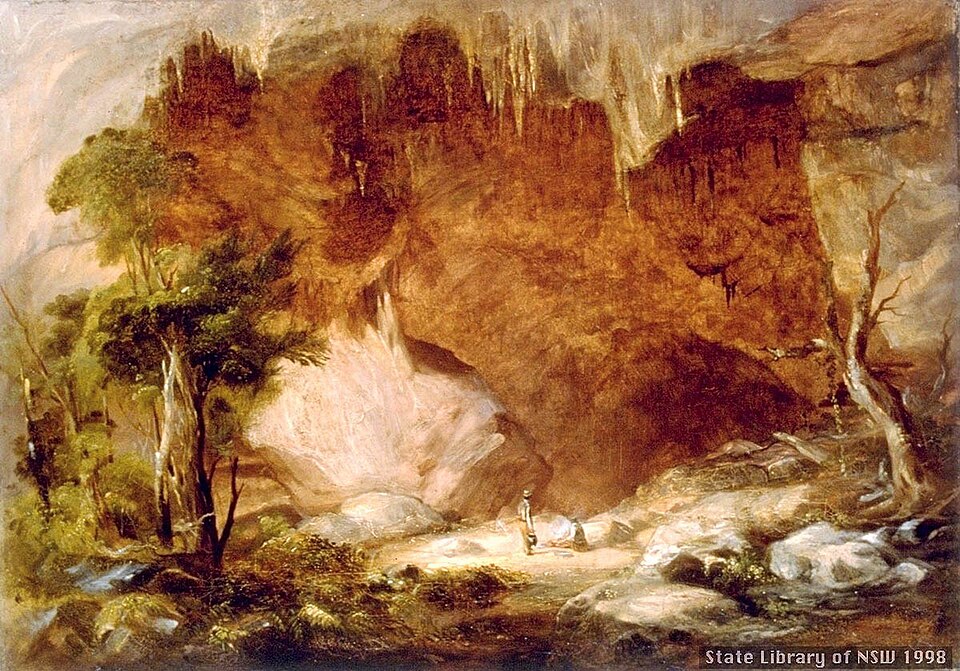

Abercrombie Caves: Burrangalong Cavern, Rockbridge Creek, 1849 / oil painting by Conrad Martens

⬅ See all events from 2 November

Spread the word on your favourite platform!

1830: Cornered at Abercrombie Caves: Ten Ribbon Gang Bushrangers Sentenced to Death at Bathurst

Ralph Entwistle was an escaped convict who had been publicly flogged on the orders of Bathurst magistrate Thomas Evernden after being spotted bathing in the Macquarie River by the Governor's travelling party. Within a year he had turned bushranger, gathering escaped convicts into a band that grew to as many as eighty men, the largest convict uprising since Castle Hill, known as the Ribbon Gang for the white streamers Entwistle wore in his hair.

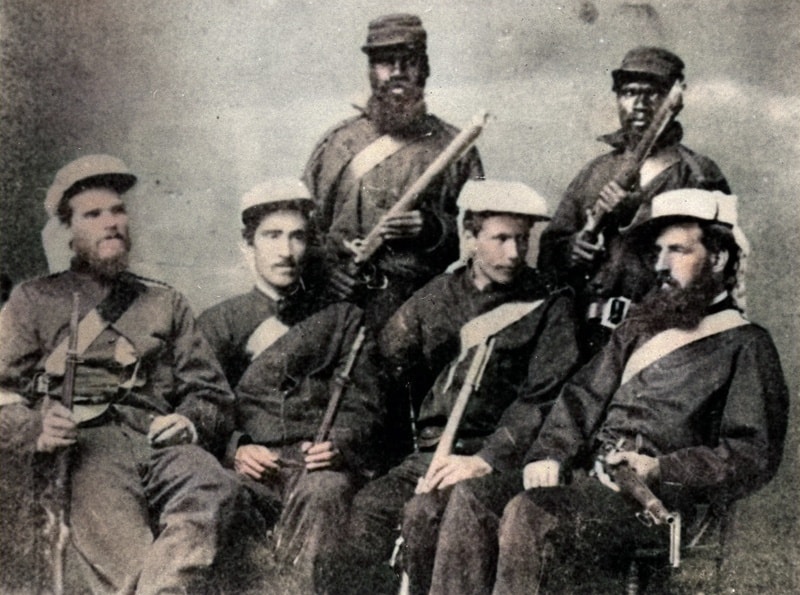
The gang's campaign turned deadly when overseer James Greenwood refused to let them recruit his master's men, baring his chest and daring them to shoot. They did. Troopers and armed volunteers, guided by two Aboriginal trackers, finally cornered the remaining bushrangers at the Abercrombie Caves, where a gunfight lasting hours forced the survivors onto a nearby hilltop before reinforcements ran the exhausted gang down.

On 30 October 1830, ten captured bushrangers faced trial at Bathurst before a jury of military officers. The court convicted six, including Entwistle, of Greenwood's murder, and four others of plundering farmhouses, sentencing all ten to death.

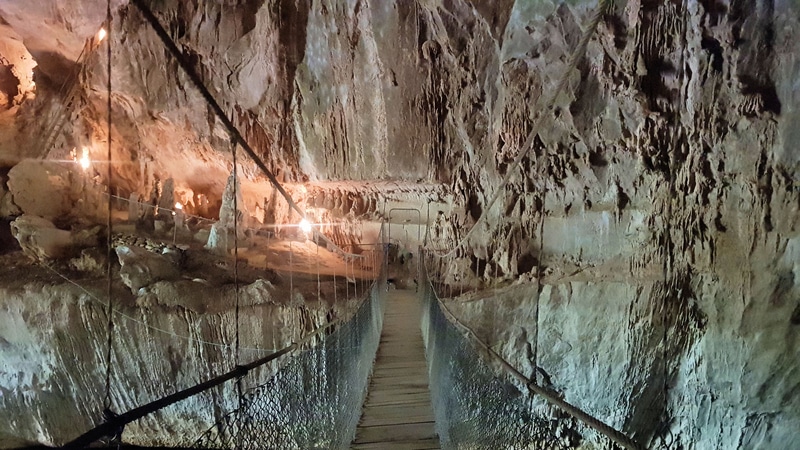
Suspension bridge over underground lake at Abercrombie Caves

⬅ See all events from 30 October

Spread the word on your favourite platform!

1878: Shoot on Sight: the Extraordinary Law That Outlawed Ned Kelly

Just four days after three police officers were shot dead at Stringybark Creek, the Victorian government introduced the Felons Apprehension Bill on 30 October 1878, paving the way for extraordinary powers that would allow Ned Kelly and his gang to be declared outlaws.

Once Ned and his brother Dan were formally declared outlaws, they could legally be shot on sight by police or any member of the public, without first standing trial. The legislation also threatened severe penalties for anyone knowingly sheltering or assisting the fugitives.

The crackdown extended beyond the outlaws themselves. Police arrested suspected Kelly sympathisers, with around twenty men detained for months as authorities attempted to break the gang's network of support. The heavy-handed campaign fuelled resentment among sections of the local population, strengthening sympathy for the very men the government was determined to capture.

Even after the gang robbed banks at Euroa and Jerilderie, prompting Victoria and New South Wales to offer a combined reward of £8,000 in February 1879, the outlaws remained at large. It took another sixteen months, and the bloody siege at Glenrowan in June 1880, before Ned Kelly, wearing his homemade iron armour, was finally captured.

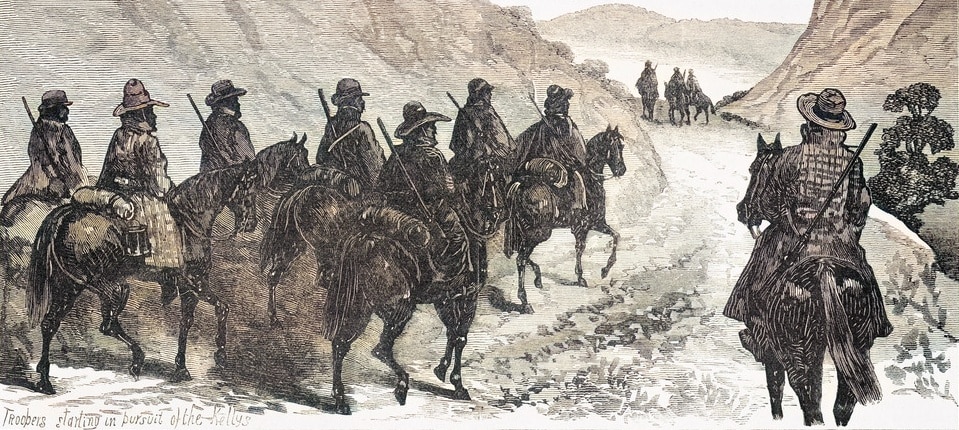
Troopers pursuing the Kelly Gang on horseback

⬅ See all events from 30 October

Spread the word on your favourite platform!

1857: The Bullet That Shaved His Whiskers: "Long Mickey" Hanged at Oatlands for Murder

George Sturgeon, a settler near Oatlands in Tasmania, was found shot dead on a bush track in July 1856, killed by a gang of bushrangers after leaving home with money in his pocket. A huge reward sent police after the gang, including a notorious outlaw known as "Long Mickey", by then the self-styled terror of the Midland Districts.

He was finally cornered in a shepherd's hut over a year later and opened fire through the walls as police closed in. One shot passed clean through the thatch gripped in a pursuing constable's hand; a return shot shaved off part of Long Mickey's whisker, and he surrendered, begging not to be ill-used, as he knew he would hang for the Sturgeon killing.

Convicted after trial, he was hanged inside the gaol at Oatlands on 27 October 1857.

On the scaffold Long Mickey thanked the priest who had attended him, declared he had never committed murder, and insisted his companion had not killed anyone either, before asking those present to pray for his soul.

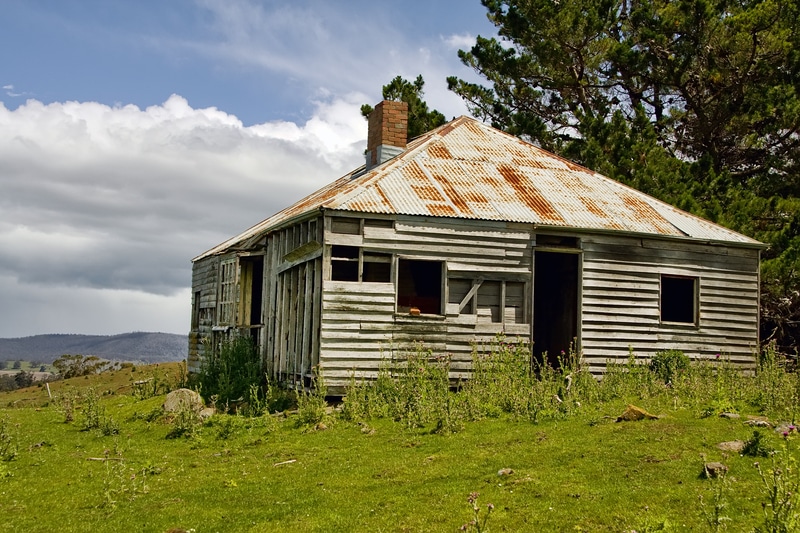
Abandoned farmhouse
Abandoned farmhouse

⬅ See all events from 27 October

Spread the word on your favourite platform!
On This Day in True Crime History

Subscribe to Dark Stories

True crime stories, dark history and tour news, straight to your inbox.