1860: Flogged as a Soldier, Broken on Norfolk Island, Hanged at Hobart: the Ruin of a Convict

Moments after the bolt was drawn at the Campbell Street Gaol in Hobart, the chaplain stepped forward and read aloud a letter the dead man had written the day before in the condemned cell. It was addressed “To all men at Port Arthur”, and Martin Lydon had begged that it be made public.

It was the story of a ruined life in a few lines. Disobedient at ten, a soldier at 16, Lydon struck an officer of his company in a moment of anger and was flogged: “this ruined me”. He came to hate the army and took to drink, and further violence saw him transported. “The vileness of Norfolk Island turned me into an animal,” he wrote. Only three weeks earlier, in H division, he had boasted that he did not care about being hanged. Now he called that his “wicked flashiness”: “Every man about to die must fear the judgment of God.”

Lydon had been capitally convicted in the Supreme Court of a felonious assault at Port Cygnet, south of Hobart, committed while drunk, a crime that then carried the death penalty. Lydon disputed part of the evidence given at his trial, but he did not dispute the sentence: what he had done in his drunkenness, he wrote, deserved death. “May the drunkenness that brought on me this misery be a warning to all of you.”
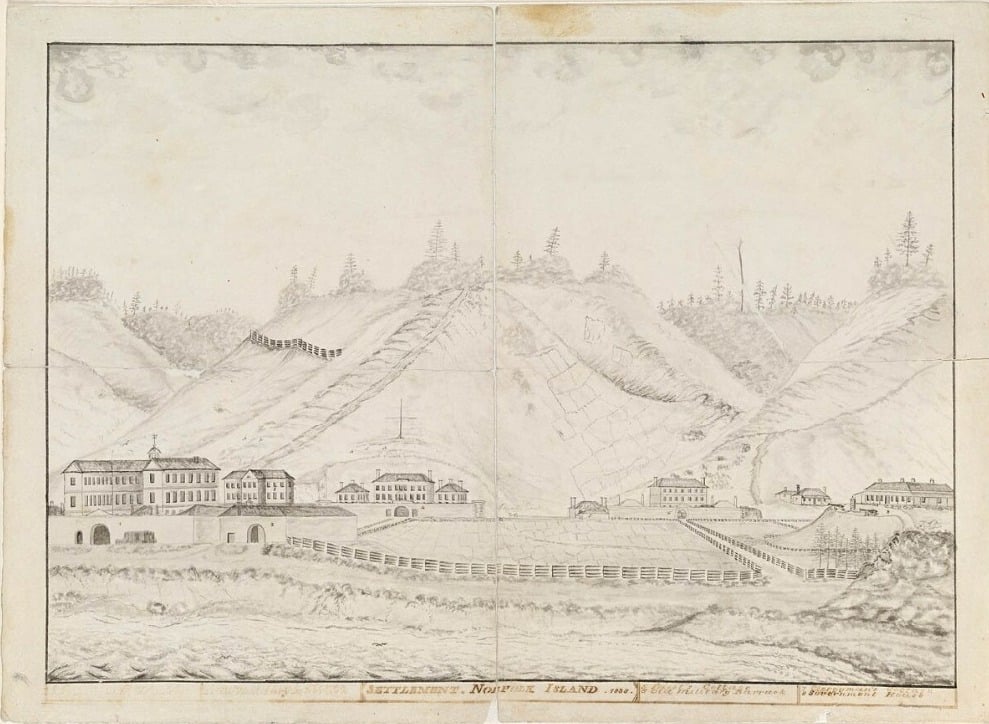

Norfolk Island settlement, 1838. Ink and wash drawing, artist unknown. State Library of New South Wales, SV8/Norf I/5.

⬅ See all events from 25 September

Spread the word on your favourite platform!

1822: Eight Convicts Fled Macquarie Harbour, and Two Ate the Rest

On 20 September 1822, Alexander Pearce, Bob Greenhill and six other convicts escaped the brutal penal outpost of Macquarie Harbour on Tasmania’s west coast, plunging into some of the most impenetrable wilderness in the colony with almost no food or supplies.

As starvation set in, the group turned on itself. Greenhill, who had once been a butcher, took the lead in killing and butchering their companions one by one to survive, and Pearce joined him in eating the flesh of the dead.

Eventually only Pearce and Greenhill remained, each watching the other, until Pearce killed Greenhill as well and continued alone, becoming the last man standing from the original party of eight.

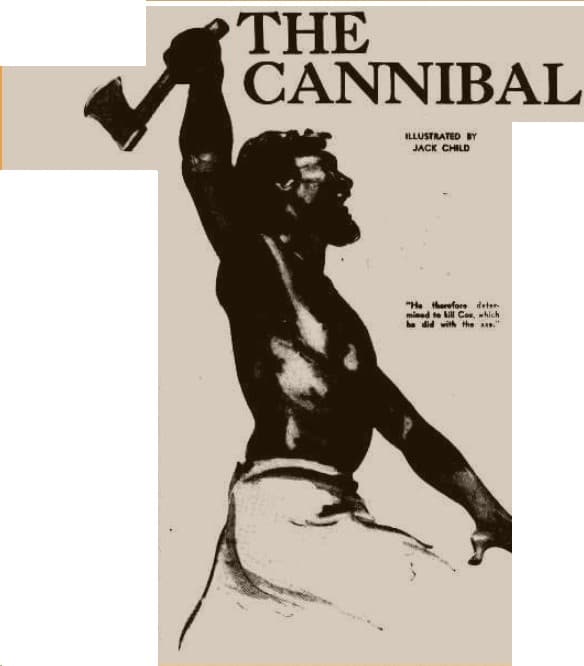
The Cannibal of Macquarie Harbour

⬅ See all events from 20 September

Spread the word on your favourite platform!

1826: Nine Hanged in a Single Day at Hobart, All for Sheep Stealing and Burglary

On September 18, 1826, nine convicts went to the gallows together in Hobart under Lieutenant-Governor George Arthur’s ruthless enforcement of Britain’s Bloody Code, the doctrine that made property crime a capital offence equal to murder. Not one of the nine had killed anyone: George Farquharson, Robert Cable, Thomas Savell, John Davis and John Cruitt were hanged for sheep stealing, John Penson, Timothy Swinscow and William Wickens for burglary, and James Rowles for theft.

The hangings were part of the largest cluster of executions recorded in Van Diemen’s Land that year, twenty three people put to death over a single fortnight in mid September 1826. Earlier hangings that month, on September 13, had targeted actual killers; those on September 15 and 18 were reserved entirely for non-violent property offenders, a deliberate signal from Arthur to a colony economically dependent on settler flocks and stores.

Sheep stealing in particular was treated by the colonial administration as an existential threat to the fledgling economy of the penal settlement, and the September 18 executions were designed as a public deterrent to convicts tempted to raid the herds and homes of free settlers.

1826 in the Hobart Colony

⬅ See all events from 18 September

Spread the word on your favourite platform!

1826: Property Crimes, Not Murder: Seven Men Hanged in Hobart in a Single Morning

On 15 September 1826, seven convicts, George Brace, John McFarlane, James Edwards, Thomas Balfour, John Dadd, John Clark and Patrick Brown, were hanged together in Hobart, the second of three mass executions carried out that month under Chief Justice John Pedder.

Unlike the seven hanged just two days earlier for murder, not one of this group had killed anyone. Balfour, McFarlane and Edwards went to the gallows for absconding into the bush and robbing settler William Holdship; Brace was hanged for robbery, Dadd and Clark for burglary in Ross, and Brown for stealing sheep, a crime that under Britain’s Bloody Code carried the same legal weight as taking a human life.

The scale of the executions reflected both the severity of imported English law and Governor George Arthur’s determined push to impose discipline on the penal colony. Rather than hang prisoners as they were convicted, the Supreme Court held sentences over and carried them out in batches: seven men on 13 September, seven more on the 15th, and a further nine on the 18th, accounting for nearly half of the 53 executions recorded in Van Diemen’s Land that year.

1826 in the Hobart Colony

⬅ See all events from 15 September

Spread the word on your favourite platform!
On This Day in True Crime History

Subscribe to Dark Stories

True crime stories, dark history and tour news, straight to your inbox.