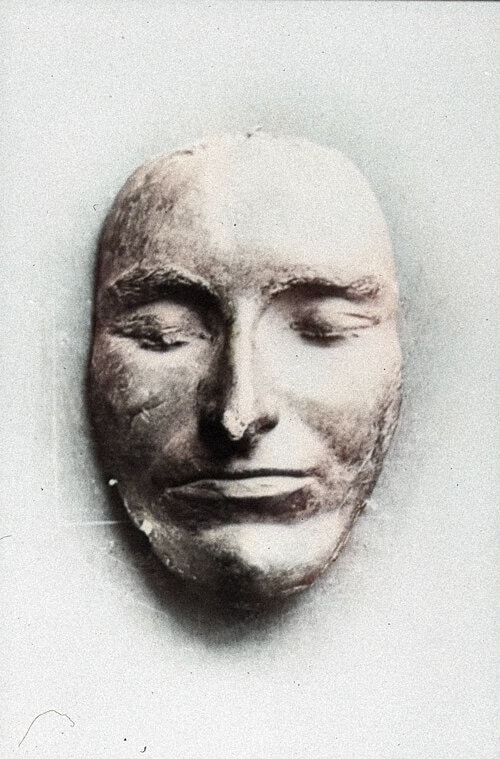
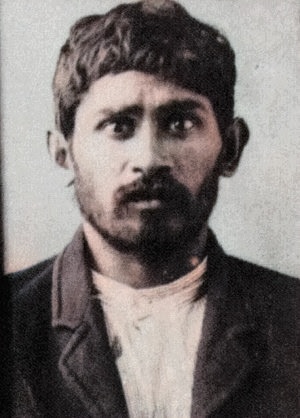
William Westwood was already notorious as Jackey Jackey, a bushranger transported twice and flogged repeatedly, when he helped lead the 1846 Cooking Pot Uprising on Norfolk Island, a desperate convict revolt sparked by brutal rations and treatment. In the chaos, three constables and an overseer were killed.
He was 26 when he was hanged on 13 October 1846, one of the largest mass executions in Australian penal history.
Death mask of William Westwood known as Jackey Jackey
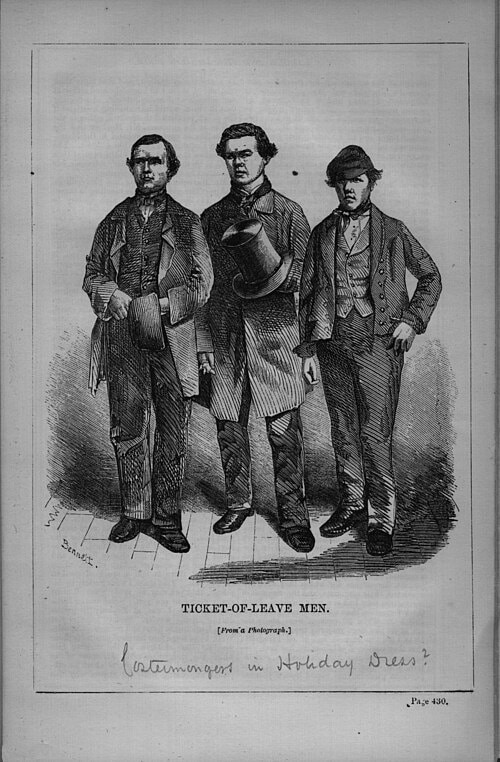
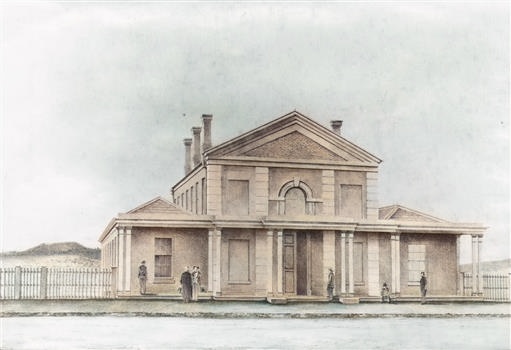
Thomas Airey had spent most of his adult life behind bars in England before he was transported to Western Australia aboard the Nile, arriving at Fremantle in December 1857 to serve a 15 year sentence for burglary. In June 1860 he was granted a ticket of leave, a conditional release that let convicts who had shown good behaviour work and live within a set district without constant supervision, a step short of full freedom but a clear sign the colony had judged him trustworthy.
That trust lasted barely four months. By October 1860 Airey stood before the Supreme Court in Perth convicted of a serious assault and sentenced to death. He was hanged at Perth Gaol on 13 October 1860, aged 29, and buried the following day at East Perth Cemetery.
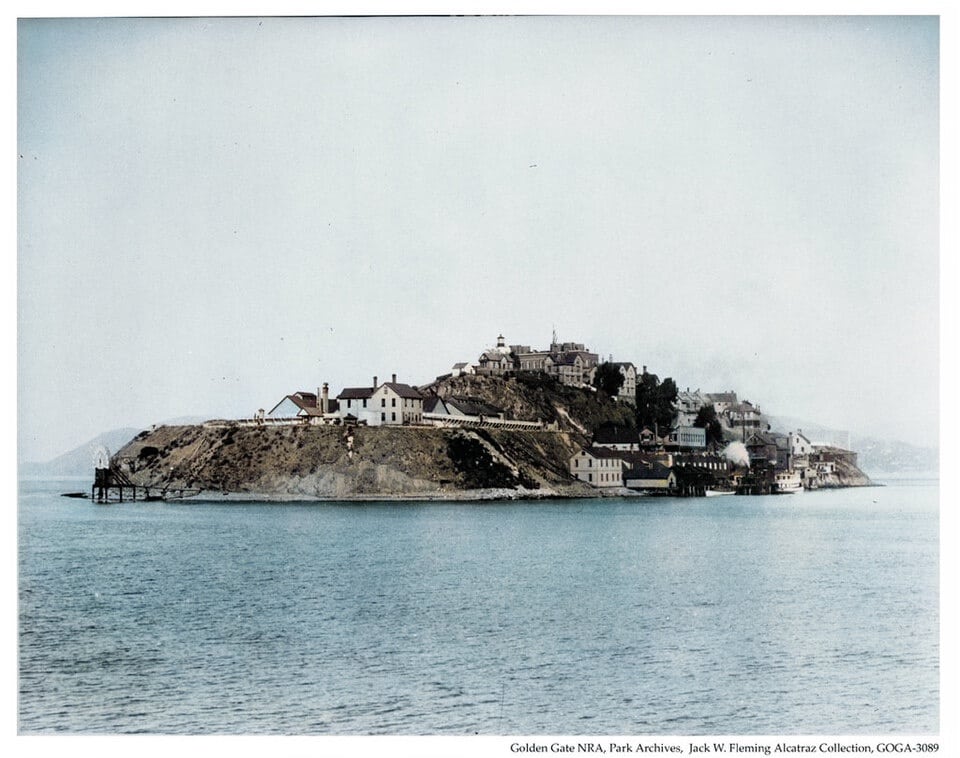
The U.S. Department of Justice announced the acquisition of the military facility on Alcatraz Island on this day in 1933, marking the start of its transformation into a federal maximum-security penitentiary. It would be nearly a year before the island was formally designated a federal prison and the first inmates arrived.
Alcatraz was built for one purpose: to hold prisoners who had proven too disruptive, too dangerous, or too likely to escape from every other federal institution. Surrounded by cold currents and strict discipline, it would soon house names like Al Capone and Robert Stroud, cementing its reputation as America's most feared prison.
Coloried view of Alcatraz Island circa 1902-1905 (unknown author)
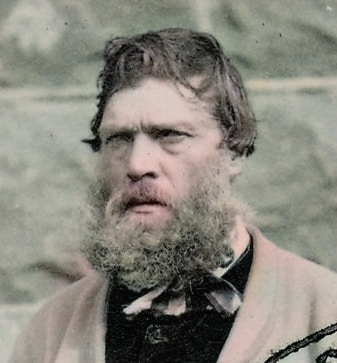
Harry Power was already a seasoned escaper and highway robber when, in 1869, he took on a teenage recruit: Ned Kelly, son of a sympathetic Irish family who sheltered him in the Ovens district. For a few months the pair stuck up coaches and squatters together, Power later boasting of hundreds of robberies, until Kelly broke away and Power carried on alone, eventually suspecting his young protege of helping police track him down.
Captured in 1870 after being betrayed by a relative of the Kelly family, Power served another fifteen years at Pentridge before his release in 1885. He spent his last years as a guide aboard the old prison hulk Success, now a museum ship, before drowning in the Murray River near Swan Hill in October 1891, his body found days later at Tyntynder. One newspaper suggested suicide, but the drowning of a man who had survived two prison escapes and a life of robbery without ever killing anyone was most likely a simple accident.