1895: George Dean, Pardoned for Poisoning His Wife, Convicted of Perjury in Sydney

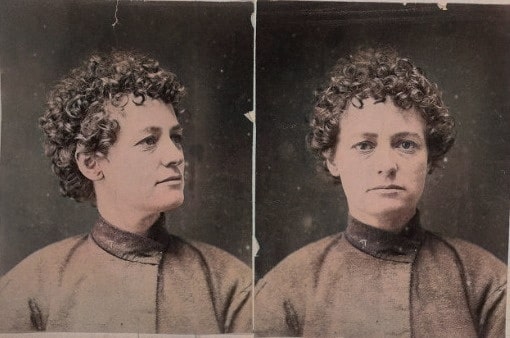
George Dean, captain of a Sydney harbour ferry celebrated for pulling drowning passengers from the water, was sentenced to death in 1895 for poisoning his wife, Mary, with arsenic and strychnine hidden in lemon syrup and tea. No one could prove he had ever bought the poison, and a public outcry over the verdict forced a Royal Commission, which found the evidence wanting; Dean walked free with a pardon that June.

The relief did not last. His own lawyer admitted to a former Chief Justice that Dean had privately confessed his guilt, and a North Shore chemist came forward swearing he had sold Dean the poison himself, with no entry ever made in the sale book. Dean was arrested again and confessed in writing.

On 24 October 1895 he was convicted of making a false declaration and sentenced to five years. The following day a second conviction, for perjury committed to procure his own acquittal on the capital charge, added fourteen years, the terms to run concurrently.
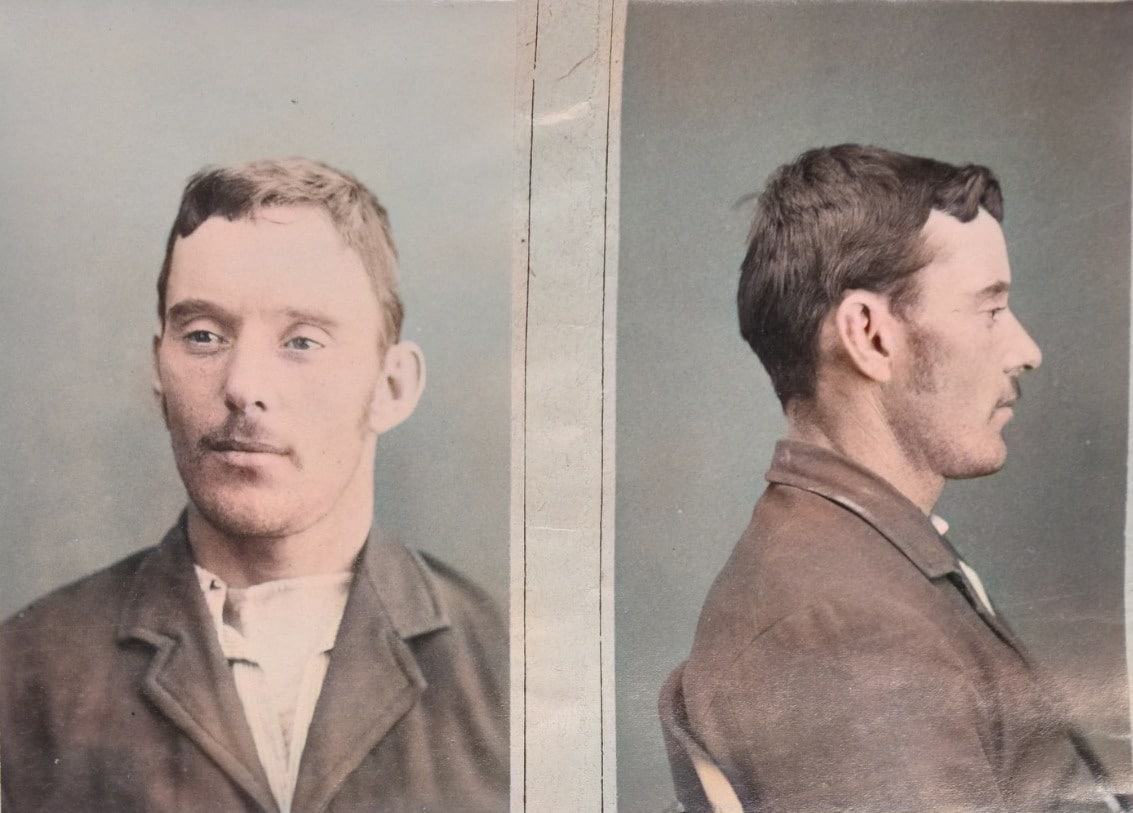

George Dean lemon syrup case. Prison photograph. Credit: Museums of History NSW, State Archives Collection.

⬅ See all events from 24 October

Spread the word on your favourite platform!

1894: Caught Serving Poisoned Tea: Martha Needle Hanged in Melbourne for a Family Poisoning Spree

Martha Needle had already buried her husband and both young daughters, each death blamed on a mysterious wasting illness, when she turned her attention to the family of her fiance, Otto Juncken. Months before her arrest she fed his brother Louis arsenic, and when his only surviving brother also sickened, doctors found arsenic disguised as rat poison in his vomit. Police lay in wait and caught Needle in the act, offering him a cup of tea laced with ten grains of poison.

Tried for Louis's murder, her lawyer argued that she suffered fits of unconsciousness and should not be held responsible, but an insanity plea was dismissed. Convicted with no recommendation for mercy, Needle was hanged in Melbourne on 22 October 1894. Exhumations later found arsenic in the bodies of her husband and both daughters as well, confirming a killing spree that had gone undetected for years. She left everything she owned to Otto, the man who had stood by her to the end.

Martha Needle: Public Record Office Victoria, VPRS 516/P0000, Central Register of Female Prisoners, register nos. 5926–6415 (1891–1896).

⬅ See all events from 22 October

Spread the word on your favourite platform!

1988: Harold Shipman Killed His 55th Patient, a Decade Before Anyone Stopped Him

Alice Prestwich was just another house call for a family doctor trusted by an entire community. Harold Shipman gave the 69-year-old widow a lethal injection of morphine at her home in Hyde, Greater Manchester, on 20 October 1988, the same quiet routine he had already used on dozens of elderly patients before her. She became his 55th confirmed victim, and not one soul suspected a thing.

Shipman kept practising, and killing, for another ten years, forging wills and helping himself to his victims' assets along the way, before a suspicious bequest finally exposed him in 1998. An official inquiry later concluded he had killed at least 215 patients, making him the most prolific serial killer in British history.

Dr Death - Harold Shipman

⬅ See all events from 20 October

Spread the word on your favourite platform!

1216: The Poison Toad Theory Behind the Death of King John of England

Legend has it that King John of England was not felled by illness but by a monk's revenge. Staying at Swineshead Abbey in Lincolnshire that October, John allegedly threatened to starve his own kingdom with crushing bread prices; a monk is said to have milked a toad for its venom, mixed it into a cup of ale, and drunk from it himself before serving the king, to prove the drink was safe. The monk reportedly died first in the abbey infirmary, and John followed him within hours.

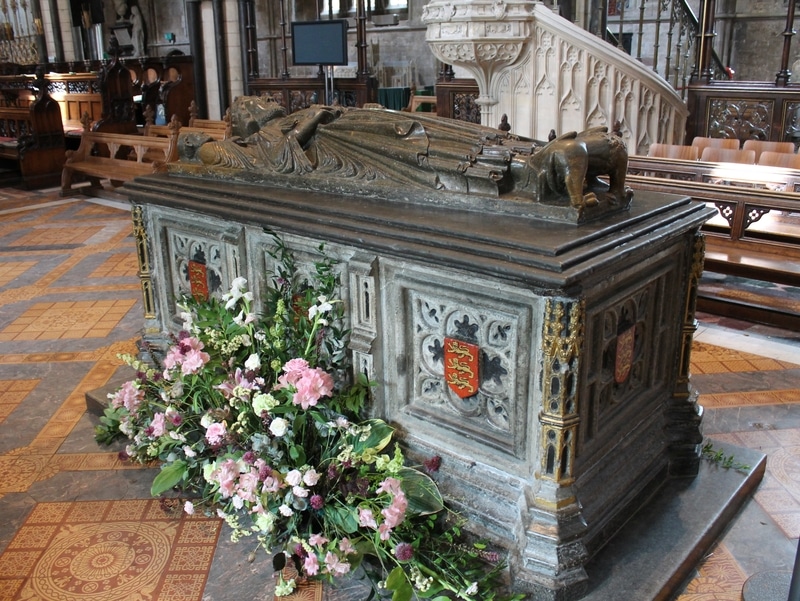
The king, already infamous for the Magna Carta he was forced to sign and then tried to annul, died at Newark Castle on 19 October 1216 as a rebel army closed in on his crumbling kingdom. The poisoning story only surfaces in a chronicle written decades later for John's old enemies, the barons; most contemporary accounts agree he died of dysentery, the far less dramatic verdict most historians still accept today.

Tomb of King John of England in Worcester Cathedral

⬅ See all events from 19 October

Spread the word on your favourite platform!
On This Day in True Crime History
1863·Given a Glass of Brandy and Told to Shoot: A Servant Hanged in Melbourne for a Shanty Murder
1863·The Lover Whose Pistol Misfired: David Gedge Hanged in Melbourne for a Murder Near Mansfield
1863·On the Scaffold, She Begged Her Lover to "Clear Her": the First Woman Hanged in Melbourne
1880·Such Is Life: Ned Kelly Hanged in Melbourne for the Murder of Constable Lonigan
More Crime On This Day →

Subscribe to Dark Stories

True crime stories, dark history and tour news, straight to your inbox.