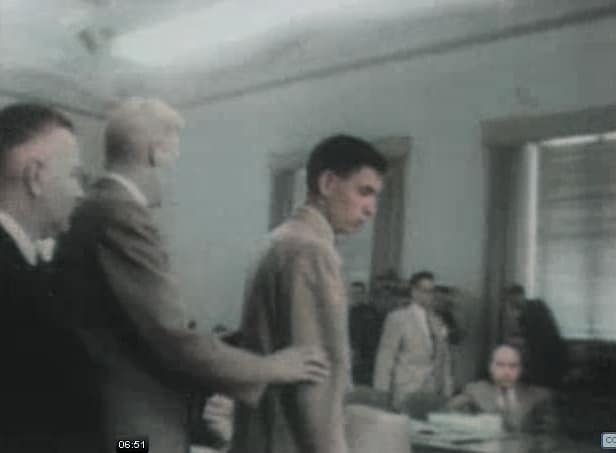
1993: The Backpacker Who Got Away: How One Survivor Unmasked Serial Killer Ivan Milat

A British backpacker named Paul Onions was hitchhiking along the Hume Highway near Sydney in January 1990 when a driver calling himself “Bill” produced a revolver and a coil of rope. Onions fled on foot and flagged down a passing motorist, reporting the attack to police before the driver vanished.

On this day in 1993, searchers combing a forest south of Sydney found two more bodies bearing the same spinal injuries as an earlier pair of backpackers unearthed the previous year, confirming Australia had a serial killer stalking the highway. The month long search that followed ended with the discovery of a German backpacker nearby, the fifth victim linked to the same killer.

Reading UK news reports of the discoveries two years later, Onions recognised the description of his own ordeal and contacted the Australian embassy. His account and photo identification of the man who had attacked him led police to Ivan Milat, whose home was searched and who was eventually convicted of the backpacker murders.


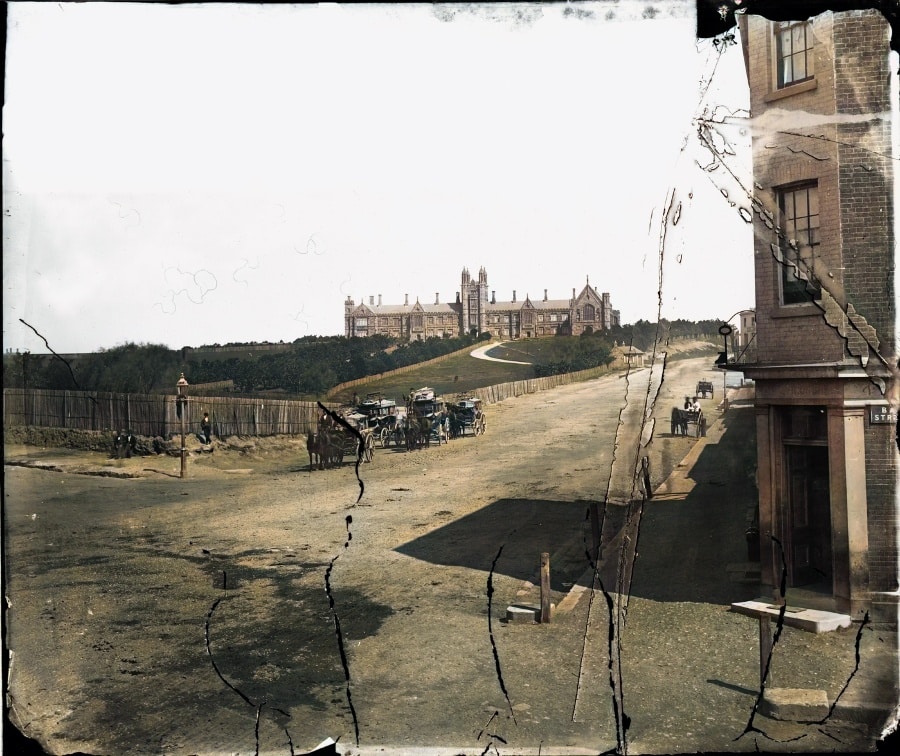
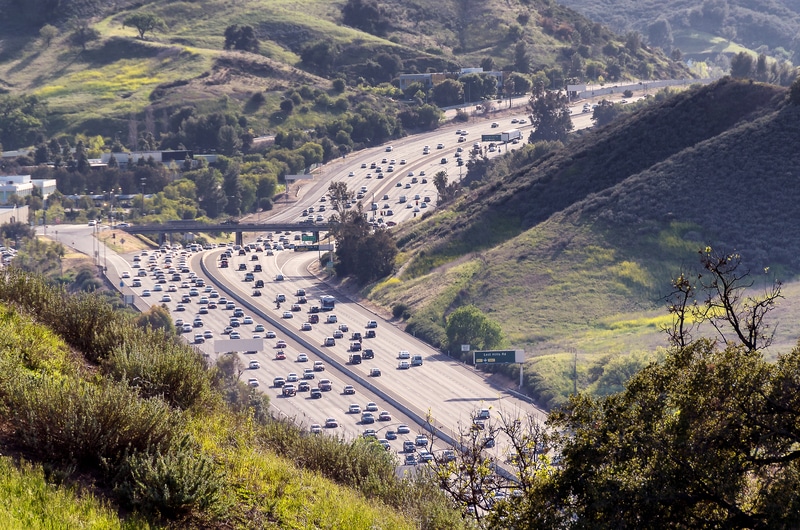
Dark History of Belanglo Forest

⬅ See all events from 1 November

Spread the word on your favourite platform!

1866: “Unprecedented in Our Annals of Crime”: A Sydney Butcher Committed for Trial Over a Dismembered Body

A boy’s dog scratching at a rubbish heap near a flour mill uncovered a charred human head, its features burned beyond recognition. Days later a woman’s torso turned up nearby, but no one had been reported missing, and the case stalled until police found a torn scrap of calico left in a landlady’s cellar by a young butcher named William Henry Scott. It matched, thread for thread, a fragment of chemise recovered with the remains.

After nine days of police court hearings, Scott was committed for trial on 31 October 1866, accused of a murder most foul: that of a Sydney woman with whom he had been living as husband and wife. The magistrate praised the remarkable police investigation, which had traced an entire body back to a single scrap of fabric, describing the case as “unprecedented in our annals of crime”.

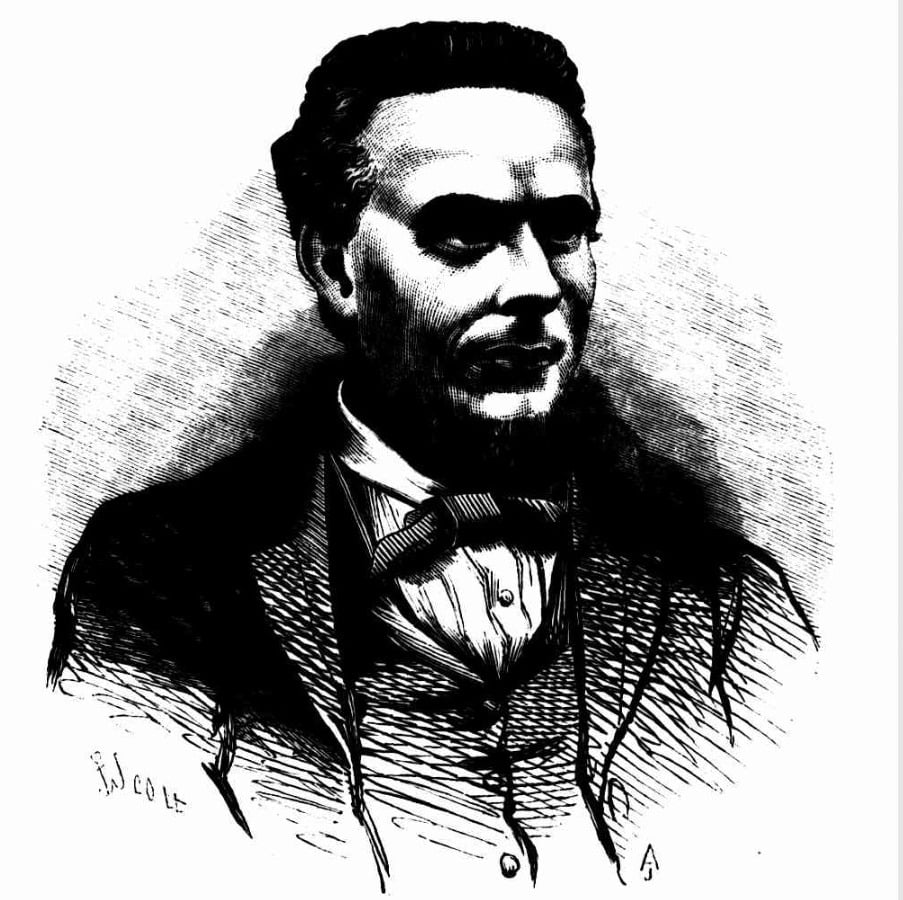
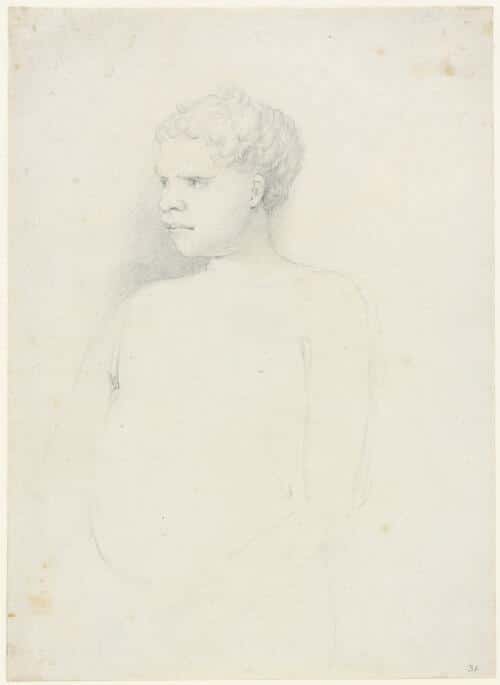
William Henry Scott under sentence of death 1867 for murder most foul

⬅ See all events from 31 October

Spread the word on your favourite platform!

1830: Cornered at Abercrombie Caves: Ten Ribbon Gang Bushrangers Sentenced to Death at Bathurst

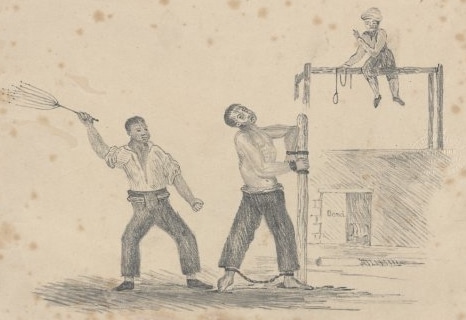
Ralph Entwistle was an escaped convict who had been publicly flogged on the orders of Bathurst magistrate Thomas Evernden after being spotted bathing in the Macquarie River by the Governor’s travelling party. Within a year he had turned bushranger, gathering escaped convicts into a band that grew to as many as eighty men, the largest convict uprising since Castle Hill, known as the Ribbon Gang for the white streamers Entwistle wore in his hair.

The gang’s campaign turned deadly when overseer James Greenwood refused to let them recruit his master’s men, baring his chest and daring them to shoot. They did. Troopers and armed volunteers, guided by two Aboriginal trackers, finally cornered the remaining bushrangers at the Abercrombie Caves, where a gunfight lasting hours forced the survivors onto a nearby hilltop before reinforcements ran the exhausted gang down.

On 30 October 1830, ten captured bushrangers faced trial at Bathurst before a jury of military officers. The court convicted six, including Entwistle, of Greenwood’s murder, and four others of plundering farmhouses, sentencing all ten to death.

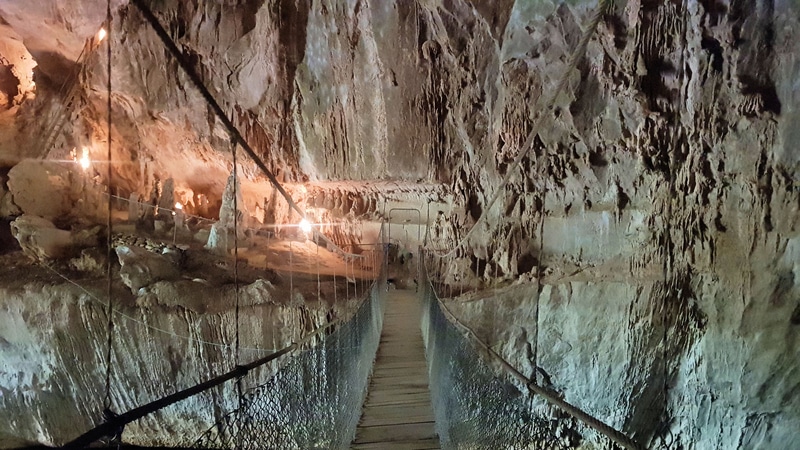
Suspension bridge over underground lake at Abercrombie Caves

⬅ See all events from 30 October

Spread the word on your favourite platform!

1900: Outlawed by Government Decree: a Fugitive Was Shot Dead by Settlers, and a Coronial Jury Cheered the Killers

Joe Governor had been on the run for fifteen weeks when New South Wales declared him and his brother Jimmy outlaws under the Felons Apprehension Act, a law that stripped them of the right to surrender and made it lawful for any armed settler to shoot them dead. The brothers had been linked to a string of killings that winter, nine people dead across the colony, before the manhunt swept north toward Singleton.

At dawn on this day in 1900, brothers Joe and George Wilkinson found Joe asleep on their own property near Singleton and called on him to surrender. He woke, ran, and the men exchanged fire until he fell dead into a waterhole, the chase finally over after months of pursuit.

The coronial inquest that followed did more than clear the Wilkinsons of blame: it congratulated them, with the coroner thanking them for “ridding the country of so dangerous a brute” while the crowd outside broke into cheers. A rumour swept the town that Joe’s head had been removed and preserved for identification; it was false, officials denied it emphatically, but the story continued to circulate.

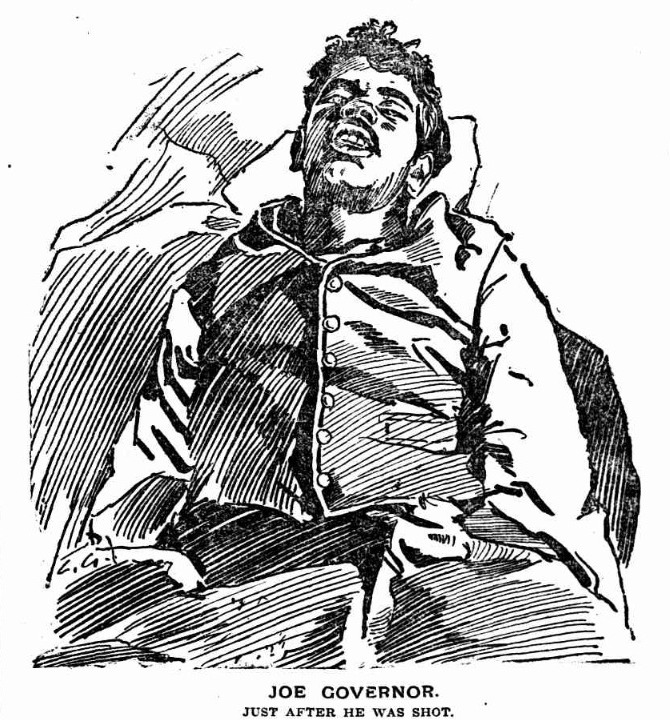
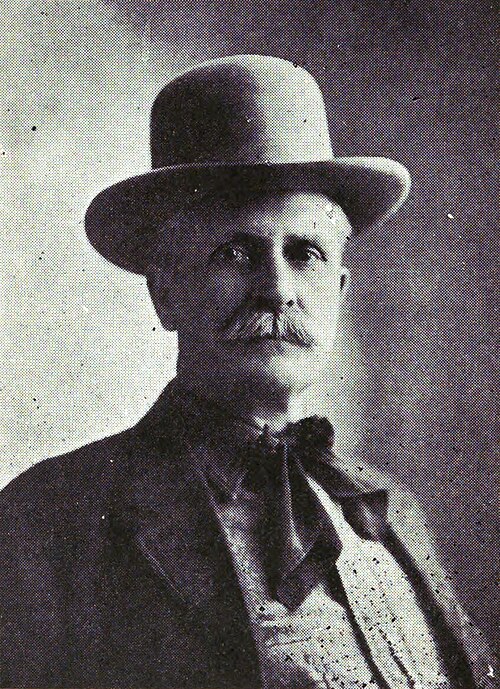
Joe Governor newspaper illustration Evening News Sydney 1900

⬅ See all events from 30 October

Spread the word on your favourite platform!
On This Day in True Crime History

Subscribe to Dark Stories

True crime stories, dark history and tour news, straight to your inbox.