1841: First Blood on the Gallows: Two Men Hanged at the New Darlinghurst Gaol

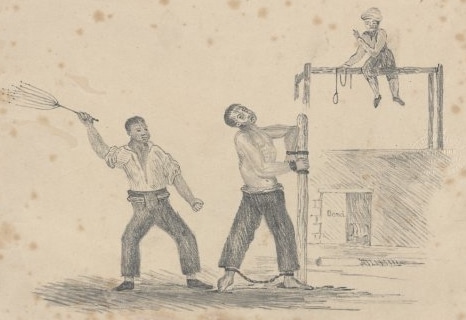
Two men became the first to hang at the newly built gaol at Darlinghurst on 29 October 1841, a grim christening for a site that would host executions for decades to come.

Robert Hudson went to the gallows for murdering a fellow convict, Dean Charfry West, at the General Hospital in Sydney.

George Stroud, hanged alongside him, had murdered his wife, a crime he later blamed entirely on drink.

Both men were reported penitent on the scaffold, kneeling in prayer before the drop fell. Stroud asked the attending minister to warn the crowd of the dangers that had led him there, “since, by having been guilty of that sin, he had been induced to commit the terrible crime for which he was then about to suffer”.
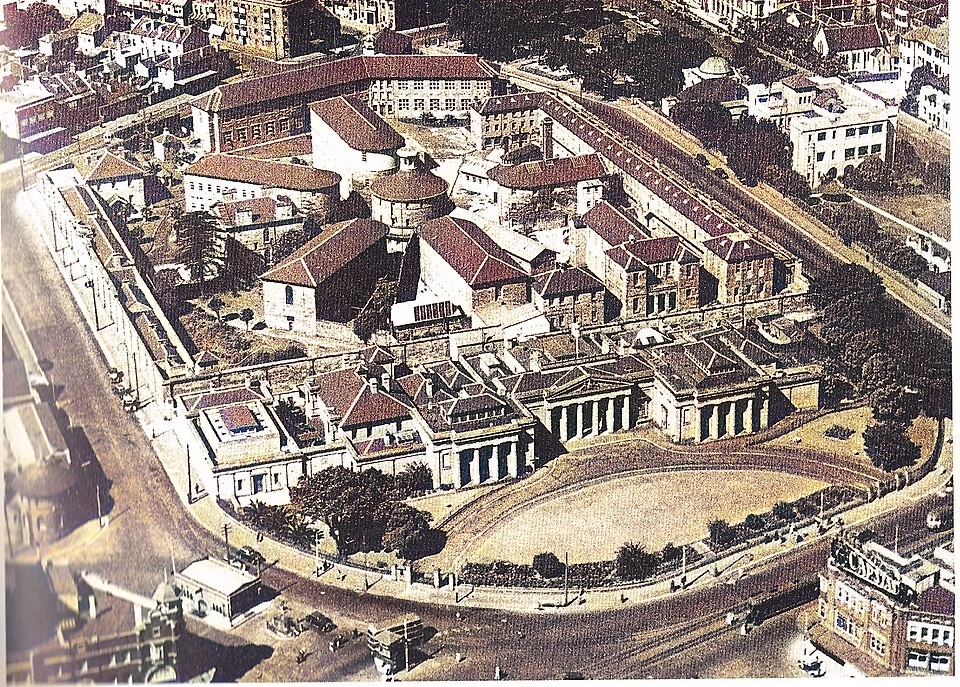

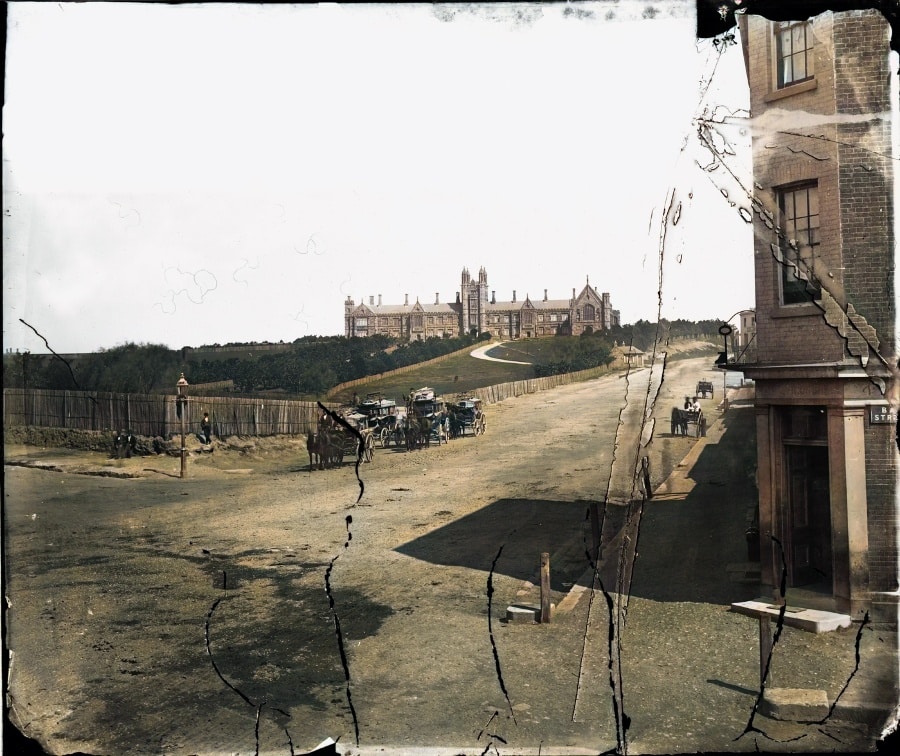
1930 Aerial View of Darlinghurst Gaol

⬅ See all events from 29 October

Spread the word on your favourite platform!

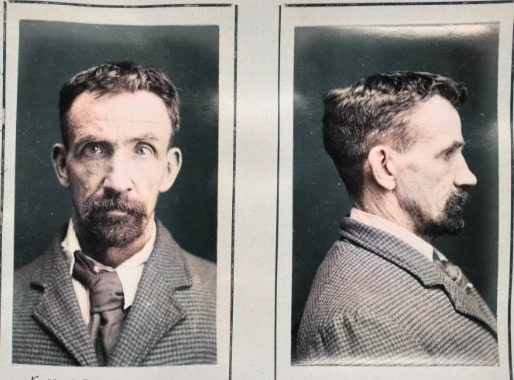
1907: He Knew Where She Kept Her Money, But Killed Her Instead: Hanged in Sydney for the Murder of a Widow

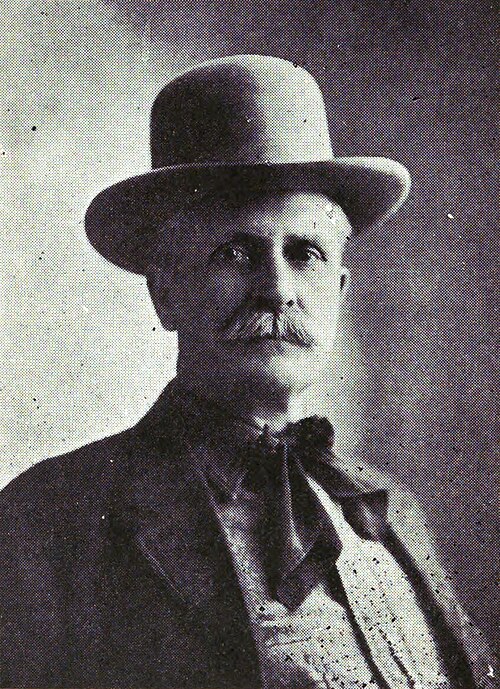
Nicholas Baxter had been night watchman at the biscuit factory next to Mary Macnamara’s home in Sydney for six and a half years, and the elderly widow trusted him completely. By his own account he knew where she kept her money, had fetched change for her dozens of times, and could have taken it without her ever knowing. He never did, not until he resigned from the job in June 1907 and returned a month later.

On the morning of 8 July 1907 Macnamara was found bludgeoned in her ransacked bedroom. Police found Baxter that same day wandering in circles near Strathfield, drunk, wearing a hat taken from her hall stand and carrying her jewellery. When he tried to bolt after being re-arrested, he gave up with the words, “It’s all up, you’ve got me now.”

At trial his defence was that years of overwork as a night watchman, ninety-hour weeks with no night off, had left him unfit to know right from wrong. The jury was not persuaded, and Baxter was hanged in Sydney on this day in 1907.

He had earlier confessed to police, “I don’t know what possessed me to do it. I must have been mad. I didn’t intend to hurt the poor old body, but she would not keep quiet.”

Nicholas Baxter gaol inmate photo index Darlinghurst Gaol 1907 Colorised: State Archives NSW Collection Record INDEX2056662.

⬅ See all events from 29 October

Spread the word on your favourite platform!

1790: He Survived One of Australia’s Deadliest Convict Voyages, Then Was Hanged Four Months After Landing

Edward Wildblood sailed to New South Wales on the Second Fleet ship Surprize, a voyage so brutal that dozens of convicts died before it even reached Sydney in June 1790. He was one of the lucky ones, stumbling ashore half starved after months chained below deck, only to find the colony offered little mercy either.

Within three months he and fellow convict William Harris had taken to the bush around Rose Hill, the settlement that would become Parramatta, robbing huts and killing a settler’s goat. Caught and sent back to labour in irons on bread and water, the pair slipped away again during their overseer’s absence, broke into a hut and beat its lone occupant, a sick settler, before making off with beef, flour, a frock and a book. Tried and convicted on 28 October 1790, Wildblood and Harris were hanged that same day at Rose Hill, their bodies left swinging near the very hut they had robbed, one of the earliest executions carried out in the colony.

In a remarkable twist of fate, both men were recorded as having been born on the same day, 1 January 1764, only to die together on the same day, aged just 26, at the end of a hangman’s rope.

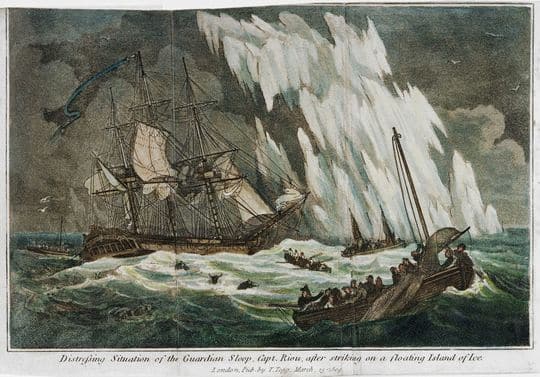
Second Fleet aka The Death Fleet in distress

⬅ See all events from 28 October

Spread the word on your favourite platform!

1790: Freed From Prison at Dawn, Burgling Again by Dusk: One of the Earliest Hangings Near Sydney.

William Harris had only just walked free from a Birmingham gaol, a three month sentence for robbing an outhouse behind him, when he broke into another house in the same street that same night. Caught in the act, he was convicted of burglary and condemned to death, later reprieved to transportation for life. He survived the notorious Second Fleet voyage aboard the Neptune, one of the deadliest convict crossings in Australia’s history, in which scores of prisoners perished before the ship ever reached Sydney.

In the young colony, Harris fell in with fellow convict Edward Wildblood, and the pair spent weeks pilfering from other convicts’ huts before fleeing into the bush. Recaptured and chained together on bread and water, they escaped again within weeks and broke into a hut, beating a sick settler and stealing beef, flour, a frock and a book. Tried for the break-in, the two men were hanged together on this day in 1790, among the first executions carried out in the young colony, with settlers gathered to watch them die from a tree.

In an extraordinary coincidence, Harris and Wildblood were both recorded as having been born on 1 January 1764. Their lives would ultimately end together, on the same day and at the same gallows, aged just 26.

Second Fleet aka The Death Fleet in distress

⬅ See all events from 28 October

Spread the word on your favourite platform!
On This Day in True Crime History

Subscribe to Dark Stories

True crime stories, dark history and tour news, straight to your inbox.