1866: "Unprecedented in Our Annals of Crime": A Sydney Butcher Committed for Trial Over a Dismembered Body

A boy's dog scratching at a rubbish heap near a flour mill uncovered a charred human head, its features burned beyond recognition. Days later a woman's torso turned up nearby, but no one had been reported missing, and the case stalled until police found a torn scrap of calico left in a landlady's cellar by a young butcher named William Henry Scott. It matched, thread for thread, a fragment of chemise recovered with the remains.

After nine days of police court hearings, Scott was committed for trial on 31 October 1866, accused of a murder most foul: that of a Sydney woman with whom he had been living as husband and wife. The magistrate praised the remarkable police investigation, which had traced an entire body back to a single scrap of fabric, describing the case as "unprecedented in our annals of crime".
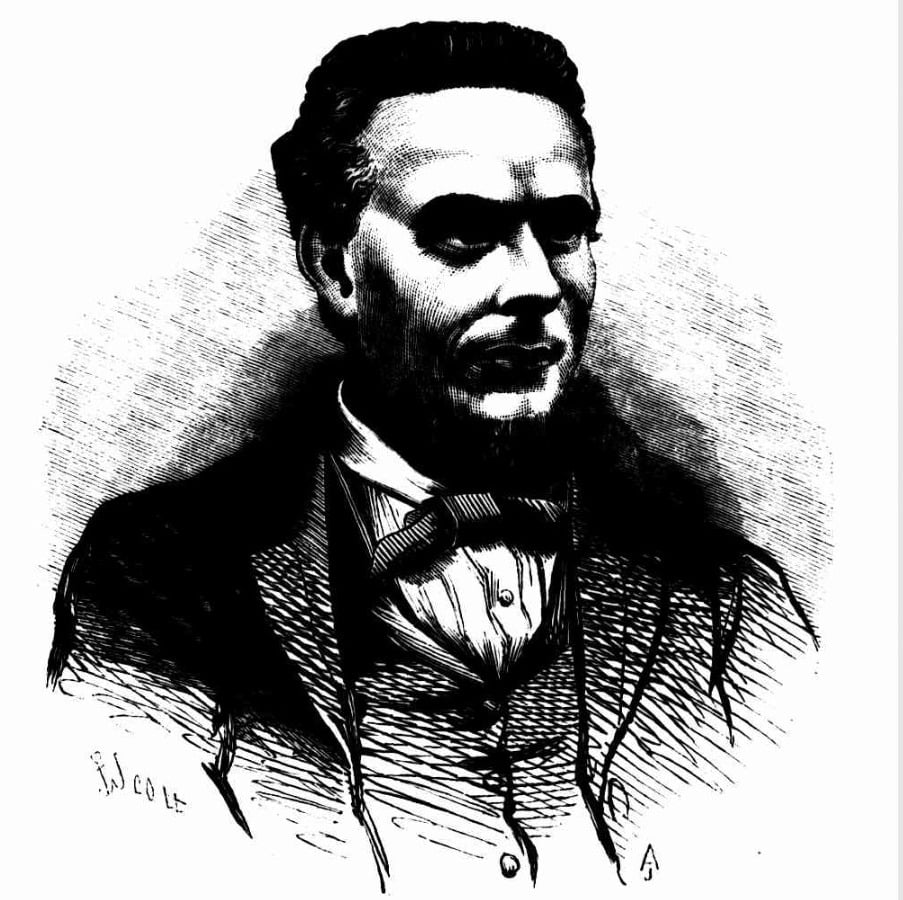

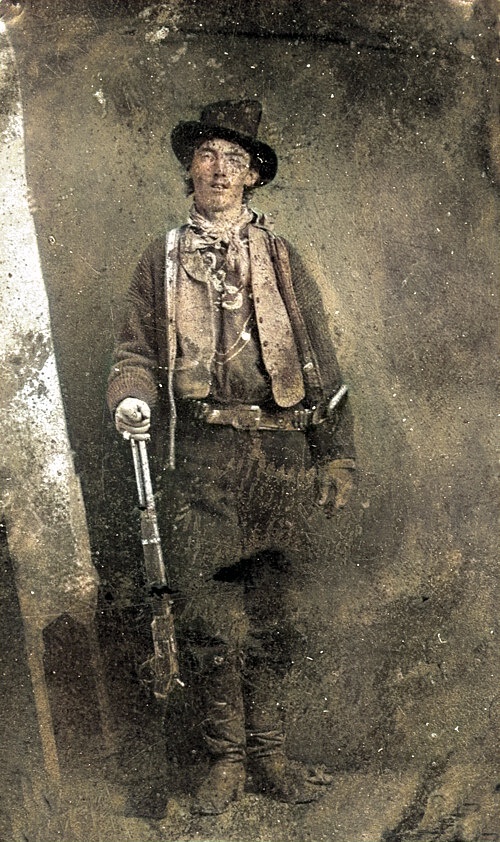
William Henry Scott under sentence of death 1867 for murder most foul

⬅ See all events from 31 October

Spread the word on your favourite platform!

1960: Caught by a Picnic Blanket: Australia's First Kidnap-for-Ransom Killer Arrested at Colombo

Eight-year-old Graeme Thorne was snatched walking to school in Sydney in 1960, just a day after his family’s lottery win made headlines. Six weeks later his body was found wrapped in a tartan picnic blanket on vacant land at Seaforth, still in his school uniform, gagged and bound with string.

Forensic scientists traced the blanket to one of only 3,000 ever woven at an Onkaparinga mill, then matched rare tree pollen and pink mortar scraped from the body to a single property at Clontarf, once home to a blue Ford, a Pekingese dog and a blonde-haired wife. By the time police reached the house, its occupant, Hungarian migrant Stephen Bradley, had already sailed for London with his family aboard the SS Himalaya. Two Sydney detectives were waiting for him when the ship docked at Colombo, and he was brought back to face extradition and trial.

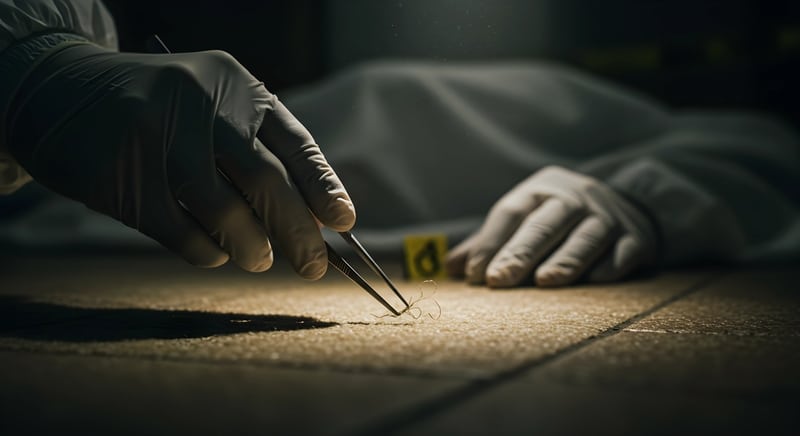
Forensic hair evidence collected at crime scene

⬅ See all events from 10 October

Spread the word on your favourite platform!

1960: Breathing for Seven Hours: The Forensic Test That Disproved a Kidnappers Alibi in the Graeme Thorne Murder

In July 1960, nine-year-old Graeme Thorne was snatched from a street in Sydney's Bondi, Australia's first known kidnap for ransom case, and murdered within a day. His body turned up six weeks later at Seaforth, wrapped in a picnic blanket that would ultimately betray his killer.

Forensic scientists traced the rare blanket through its manufacturer, dyed Pekingese hairs, two uncommon tree species and flecks of pink mortar to a house at Clontarf owned by Hungarian immigrant Stephen Bradley. By the time police called on 3 October, Bradley had already sailed for England; he was arrested when his ship reached Ceylon and extradited to stand trial. He claimed the boy had simply suffocated in his car boot, a story investigators demolished by rigging a breathing mask to the same boot and drawing air from it for seven hours straight.

Bradley pleaded not guilty to murder but admitted the kidnapping and had earlier signed a confession he later retracted. He was sentenced to life imprisonment and died in custody seven years later.

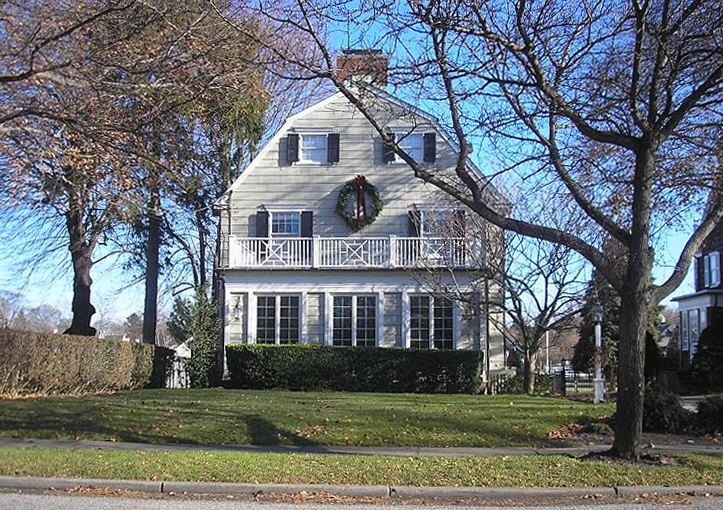
Sydney Opera House under construction in 1963.

⬅ See all events from 3 October

Spread the word on your favourite platform!
On This Day in True Crime History

Subscribe to Dark Stories

True crime stories, dark history and tour news, straight to your inbox.