1546: Scholar and Printer Etienne Dolet Hanged and Burned for Heresy in Paris

Etienne Dolet, born in Orleans in 1509, was a French scholar, translator and printer whose humanist convictions put him on a collision course with the French Inquisition. Educated at Padua and Toulouse, he built a reputation as a gifted orator and a defiant critic of religious orthodoxy. His publications in Lyon drew the close attention of inquisitorial authorities, and after several periods of imprisonment, the combined forces of the parlement of Paris, the Inquisition, and the Sorbonne secured his conviction for heresy, blasphemy and sedition.

On 3 August 1546, his 37th birthday, Dolet was hanged and burned alongside his books on the Place Maubert in Paris. He is remembered today as a martyr for freedom of speech and freedom of the press.
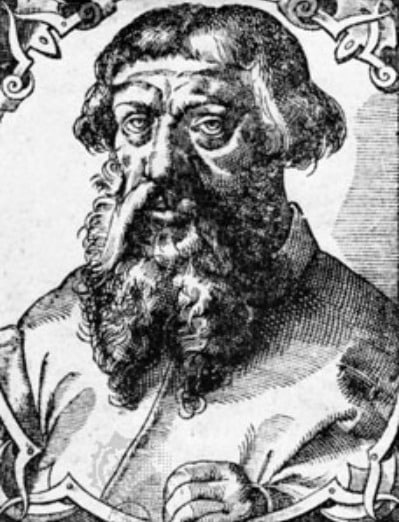

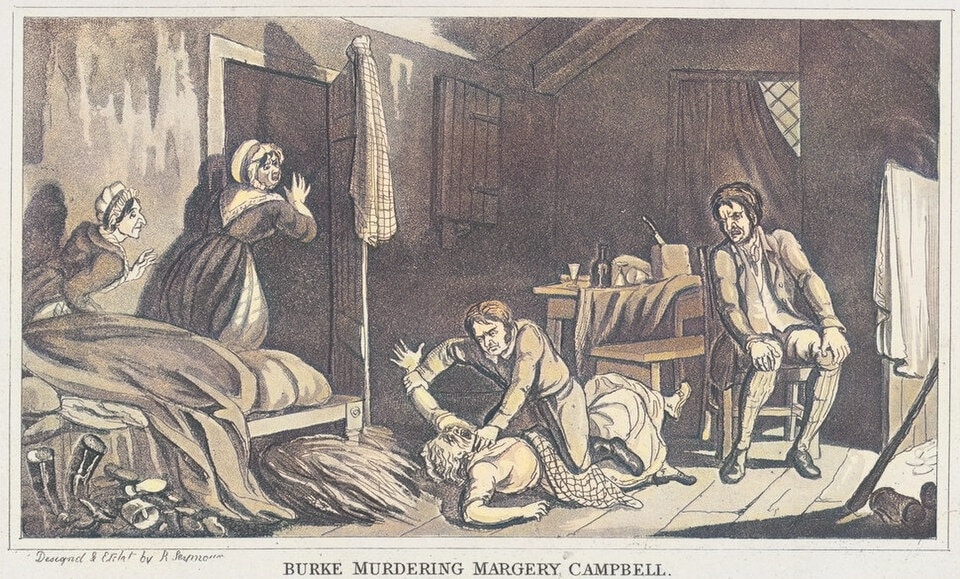
16th century engraving portrait of Etienne Dolet

⬅ See all events from 3 August

Spread the word on your favourite platform!

1916: Knighted Diplomat Hanged for Treason After Failed Easter Rising Mission

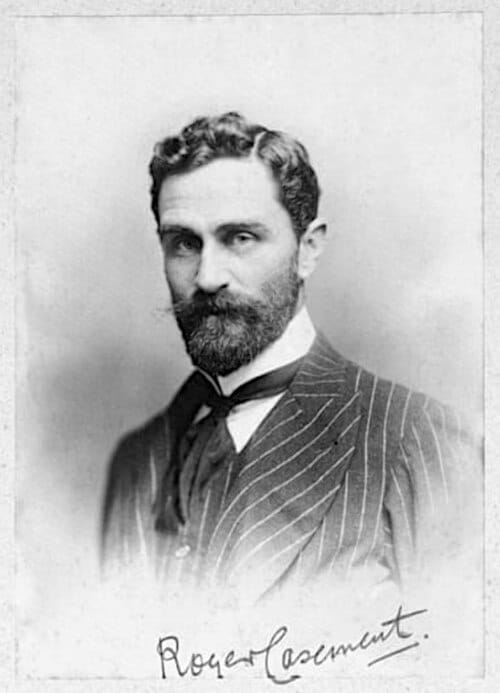
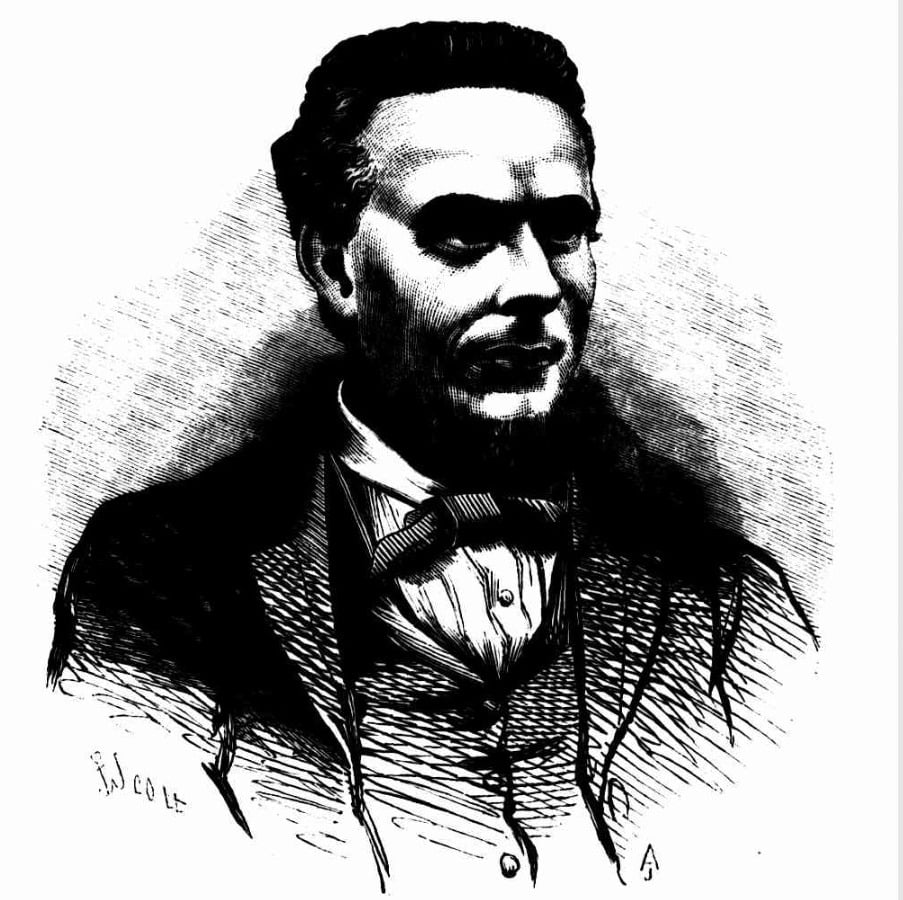
Sir Roger Casement, the British consul who had been honoured for exposing colonial atrocities in the Congo and Peru, was hanged at Pentonville Prison in London on 3 August 1916. Once celebrated as the ‘father of twentieth-century human rights investigations’, he had spent the war years seeking German military support for the Easter Rising before being arrested on the Kerry coast just days before the uprising began.

Stripped of his knighthood, he was tried and convicted of high treason. During and after the trial, British intelligence circulated typescripts of private journals, said to be in Casement’s hand, that detailed homosexual activity. The material, illegal under the laws of the time, was used to undermine calls for clemency. He was executed at 49, and the authenticity of those diaries has been disputed by scholars ever since.

Portrait of Sir Roger Casement in formal attire

⬅ See all events from 3 August

Spread the word on your favourite platform!

1589: Monk Jacques Clement Stabs King Henry III to Death in Saint-Cloud

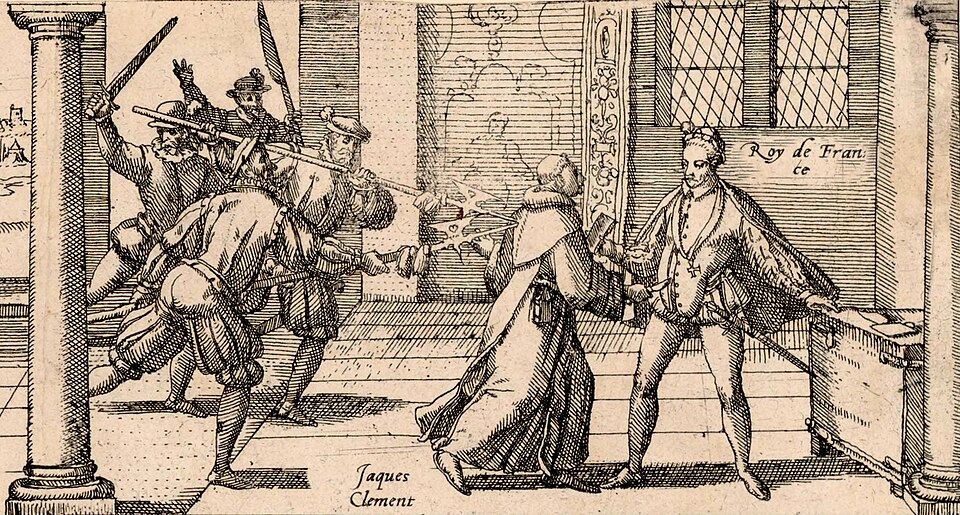
On 1 August 1589, Jacques Clement, a Dominican lay brother and zealous supporter of the Catholic League, gained an audience with King Henry III at Saint-Cloud, where the king was besieging Paris during the French Wars of Religion. Concealing a dagger beneath his cloak, Clement stabbed the king under the pretence of delivering a confidential message. The royal attendants cut Clement down immediately, but Henry III lingered until the following morning, dying after urging Henri of Navarre that conversion to Catholicism was the only path to lasting peace.

Clement, born in 1567 at Serbonnes in Burgundy, had been radicalised by League ideology and the targeted killings of its leaders, the Duke and Cardinal de Guise. His plot had the quiet blessing of Catherine de Guise, Duchess Montpensier, who saw it as righteous vengeance. The League faithful hailed him as a martyr; Royalists and Protestants condemned him as a fanatic. His corpse was posthumously quartered and burned.

Portrait of Jacques Clement assassin of King Henry III

⬅ See all events from 1 August

Spread the word on your favourite platform!

1910: Dr Crippen Captured at Sea, the First Fugitive Caught by Wireless Telegraph

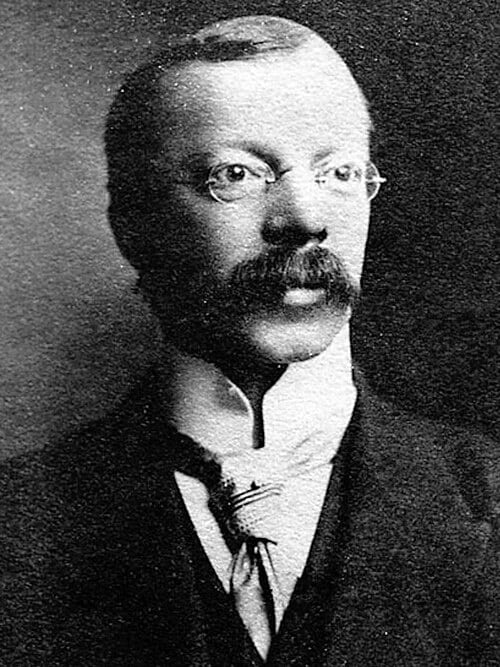
American homeopath Hawley Harvey Crippen became one of history’s most notorious wife-murderers when his second wife, Cora, vanished after a dinner party at their home in Holloway, London, on the night of 31 January 1910. Crippen claimed she had returned to the United States and later died there, but Scotland Yard grew suspicious when his mistress, Ethel Le Neve, was seen openly wearing Cora’s jewellery. When police dug up the cellar at 39 Hilldrop Crescent, they found human remains.

Crippen and Le Neve fled aboard the SS Montrose bound for Canada. The ship’s captain, recognising the fugitives, used the newly available wireless telegraph to alert Scotland Yard. Chief Inspector Walter Dew boarded a faster ship, intercepted the Montrose, and arrested Crippen mid-Atlantic on 31 July 1910, making him the first criminal in history captured with the aid of wireless telegraphy. Crippen was returned to London, tried at the Old Bailey, convicted of murder, and hanged at Pentonville Prison on 23 November 1910.

Portrait of Dr Crippen early 1900s suspect in murder case

⬅ See all events from 31 July

Spread the word on your favourite platform!
On This Day in True Crime History

Subscribe to Dark Stories

True crime stories, dark history and tour news, straight to your inbox.