991: Ealdorman Byrhtnoth Killed as Vikings Crush the Saxons at Maldon

On 11 August 991, a Viking force under Norwegian king Olaf Tryggvason met the Anglo-Saxon fyrd of Essex at Maldon, on the Essex coast. Ealdorman Byrhtnoth, around sixty years old and said to stand nearly seven feet tall with swan-white hair, commanded the Saxon defence. In a fateful act of chivalric pride, he permitted the Vikings to cross a tidal causeway to fight on open ground. The decision proved catastrophic: Byrhtnoth fell in the battle, reportedly taking three men to kill, one of them nearly severing his arm.

The defeat became one of the defining disasters of late Anglo-Saxon England, accelerating the payment of Danegeld to Viking raiders. Byrhtnoth was buried at Ely Abbey, a monastery he had richly endowed with villages and lands. His widow presented the abbey with an embroidered tapestry commemorating his deeds. The battle inspired a celebrated Old English poem, and when his remains were examined in 1781, his skeleton confirmed the legendary stature: 6 feet 9 inches in height.
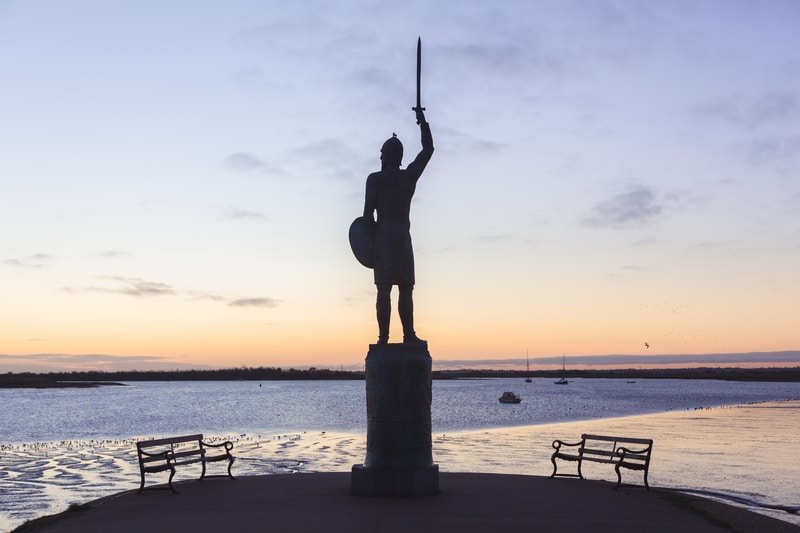

The Statue of Byrhtnoth at the end of Maldon Promenade in Essex, England | ID 211153857 © Jonathanritchie1990 | Dreamstime.com
ID 211153857 © Jonathanritchie1990 | Dreamstime.com

⬅ See all events from 11 August

Spread the word on your favourite platform!

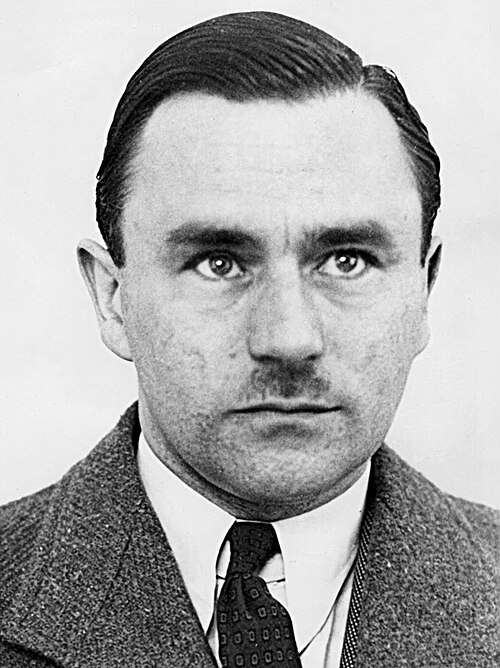
1949: The Acid Bath Murderer: John Haigh Hanged for Six Killings

John George Haigh was an English serial killer who battered or shot his victims, then dissolved their bodies in sulphuric acid to erase all evidence. He forged his victims’ signatures to sell their possessions and collect large sums of money, a scheme he had refined through years of fraud and multiple prison terms. Though convicted of six murders, Haigh claimed to have killed nine.

Born in Stamford, Lincolnshire, and raised in Yorkshire by strict Plymouth Brethren parents, Haigh drifted from fraud into murder after becoming fascinated by French killer Georges-Alexandre Sarret, who had used acid to dispose of bodies. He was arrested in 1949 after police connected him to the disappearance of a widow whose remains, including gallstones and false teeth, survived the acid and were found at his workshop in Crawley, Sussex. Haigh was convicted at Lewes Assizes and hanged at Wandsworth Prison on 10 August 1949.

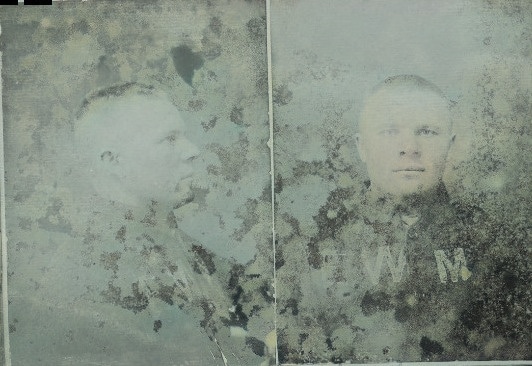
Portrait of john george haigh

⬅ See all events from 10 August

Spread the word on your favourite platform!

1963: The Great Train Robbery Nets 2.6 Million Pounds in a Single Night

In the early hours of 8 August 1963, a gang of fifteen robbers, led by Bruce Reynolds, stopped the Glasgow-to-London Royal Mail train at Bridego Railway Bridge, Ledburn, Buckinghamshire. Acting on inside information from a senior Royal Mail security officer known only as ‘The Ulsterman’, they had tampered with trackside signals to halt the train. Driver Jack Mills was struck over the head with a metal bar and suffered serious, lasting injuries. The gang made off with 2.61 million pounds, then equivalent to around 64 million in 2024 values.

The robbers hid at Leatherslade Farm, 27 miles from the scene, but police found the hideout. A Monopoly board covered in fingerprints proved to be their undoing. Gang members including Gordon Goody, Buster Edwards, Charlie Wilson, Ronnie Biggs, and others were arrested and convicted. The ringleaders received 30-year sentences. The bulk of the stolen money was never recovered.

Great Train Robbery - Bank Holiday Windfall
Great Train Robbery – Bank Holiday Windfall

⬅ See all events from 8 August

Spread the word on your favourite platform!

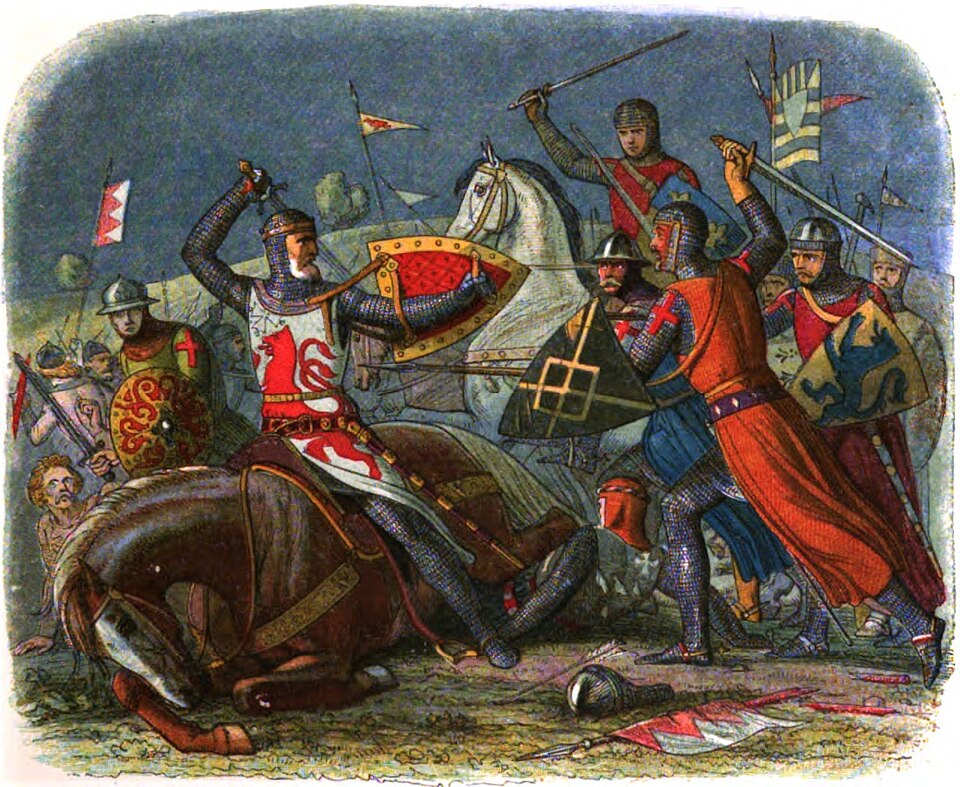
1265: The Murder of Evesham: Simon de Montfort Crushed at the Height of His Power

On 4 August 1265, the Battle of Evesham ended the Second Barons’ War in one of medieval England’s most decisive and brutal engagements. Simon de Montfort, Earl of Leicester, had dominated royal government since his victory at Lewes the previous year, holding King Henry III and Prince Edward in captivity. But the defection of key allies and the escape of Prince Edward unravelled his position. Trapped in a loop of the River Avon near Evesham, Worcestershire, outnumbered two to one and deceived by captured banners flown to disguise the approaching royalist army, de Montfort knew his fate. His reported final words: ‘Our bodies are theirs, our souls are God’s.’

The battle was short and merciless. De Montfort was killed and his body mutilated. The contemporary chronicler Robert of Gloucester called it ‘the murder of Evesham, for battle it was none.’ Royal authority was restored, though pockets of resistance persisted until the Dictum of Kenilworth in 1267.

Simon de Montfort, 6th Earl of Leicester, dies in the Battle of Evesham.

⬅ See all events from 4 August

Spread the word on your favourite platform!
On This Day in True Crime History

Subscribe to Dark Stories

True crime stories, dark history and tour news, straight to your inbox.