2000: The Diamond Heist That Was Really a Trap: Police Foil a 350-Million-Pound Raid on the Millennium Dome

A seven-man gang planned to smash into the Millennium Dome's diamond exhibition, grab a haul worth 350 million pounds, and roar off down the Thames on a speedboat. It was a bold escape plan for a bold crime, but the gang never got the chance to use it.

Police had been watching for weeks. Surveillance cameras had already filmed members of the crew casing and videoing the exhibition beforehand, and on this day in 2000, a 100-strong police operation was waiting the moment they struck, ready to close in before the gang could reach the river.

Had they somehow broken through and made it to their boat, there was one final twist waiting for them: the diamonds on display that day were fakes, the real stones having already been quietly removed for safekeeping.


02 Arena in London. London, UK - January 21, 2014: The O2 Arena in London at sunset. The venue contains shops, bars, cinemas, clubs and often holds entertainment concerts. | ID 36920457 © Mike Clegg | Dreamstime.com
ID 36920457 © Mike Clegg | Dreamstime.com

⬅ See all events from 7 November

Spread the word on your favourite platform!

1964: The Star of India Sapphire Vanishes in a Daring New York Museum Heist

Thieves slipped into the Museum of Natural History in New York on this day in 1964 and lifted an extraordinary haul of gems, among them the 565-carat Star of India, the largest sapphire in the world, and the 100-carat DeLong Ruby.

The brazen theft stunned collectors and investigators alike, yet within weeks the culprits were tracked down and most of the stolen jewels, including the Star of India, were recovered.

100-carat DeLong Star Ruby 1911

⬅ See all events from 29 October

Spread the word on your favourite platform!

1828: The Tunnel Under Sydney: Australia’s First Great Bank Robbery

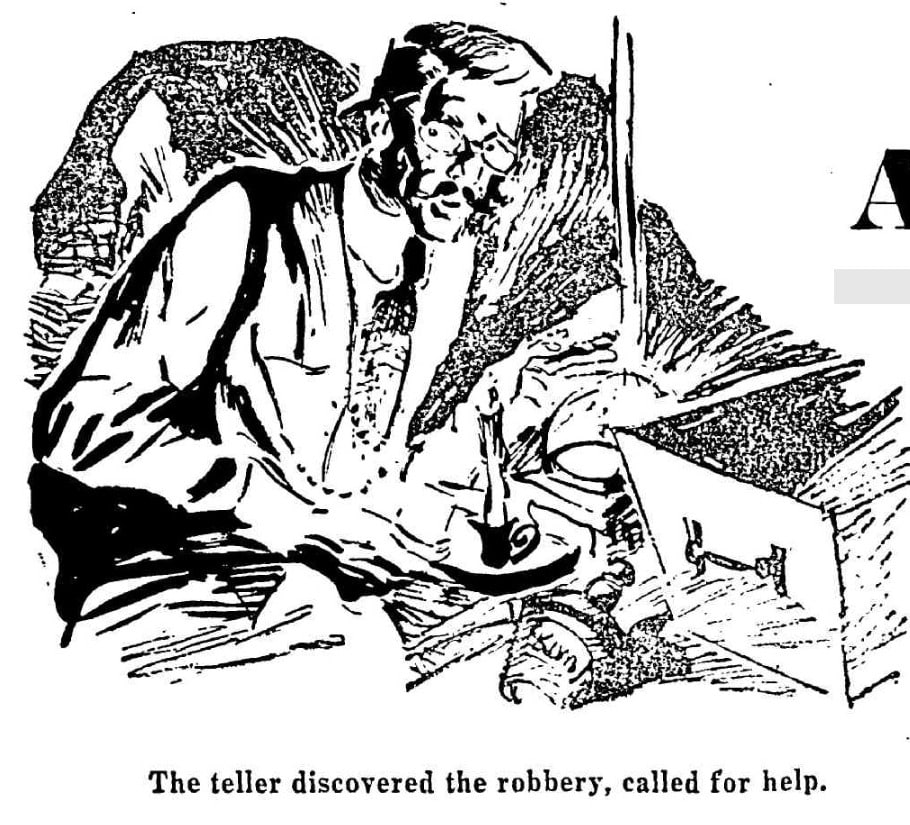
On the night of 14 September 1828, thieves broke into the Bank of Australia in Sydney. A teller arriving the next morning found the strongroom breached.

Thieves had tunnelled through a drain on the opposite side of the street, burrowed underground, and cut through a foundation wall between five and nine feet thick, work that would have taken at least three to four weeks to complete. They made off with 12,000 to 14,000 pounds in cash and property, a sum worth a small fortune today.

For two and a half years the robbers evaded capture, even as some of the stolen notes began surfacing in circulation and officials issued repeated warnings against using them. The case only broke when one of the gang was sentenced to 14 years on Norfolk Island for an unrelated highway robbery in 1829. Nearly a year into that sentence, he accepted the Governor's offer of a pardon and confessed, naming his accomplices: one of whom had fled to Ireland, another who had since died, and three more who joined him on Norfolk Island.

Not all the stolen money was recovered. Rumour has long held that boxes of coins from the robbery remain buried near the water’s edge on Sydney’s North Shore.

Discovering the robbery.

⬅ See all events from 14 September

Spread the word on your favourite platform!
On This Day in True Crime History

Subscribe to Dark Stories

True crime stories, dark history and tour news, straight to your inbox.