Sing Ong, a Chinese settler at Cape Lesueur on Shark Bay, shot his countryman Ah Foo twice on 11 May 1884 in a quarrel over a servant Sing Ong believed was rightfully his. Witnesses heard the shots and found Ah Foo dying of a wound below the chest, having first picked up a stick and told his killer he was not afraid of his knife, gun, or revolver.

At his trial in Geraldton, his own counsel argued the shooting had been a sort of duel between the two men, pointing out that police never produced the pistol and failed to call other witnesses who might have helped him. The jury convicted him regardless, and the Governor delayed the sentence to weigh a mercy petition, but found nothing in it to change the outcome.

On 29 October 1884, Sing Ong was hanged at Geraldton gaol, the town’s first execution, carried out so cleanly that death came the instant the bolt was drawn.

From his arrest to the gallows, Sing Ong never denied the killing.
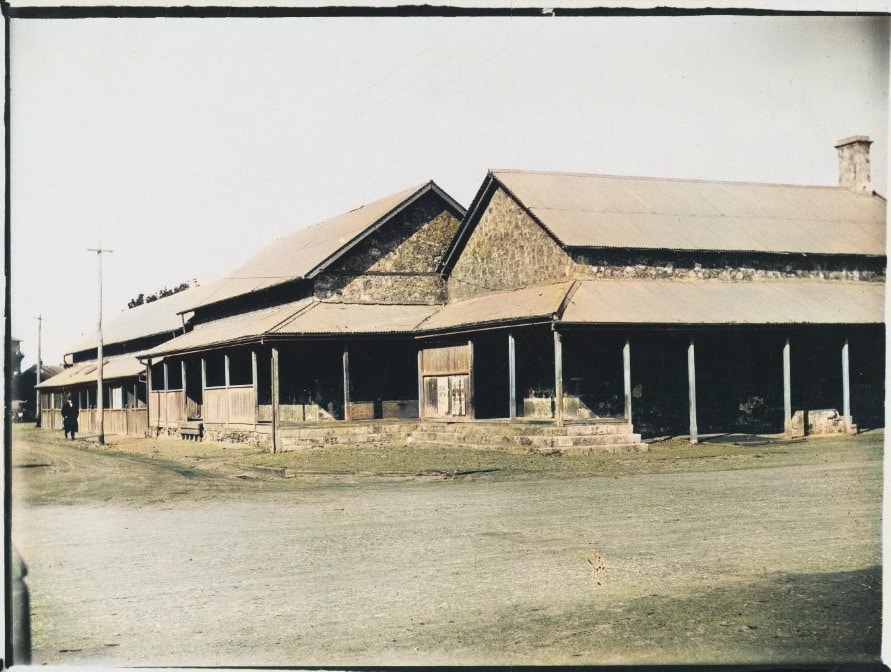
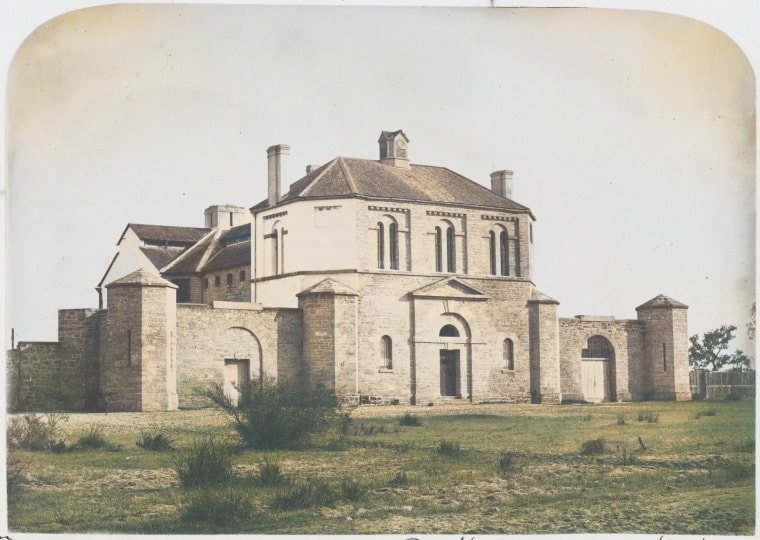
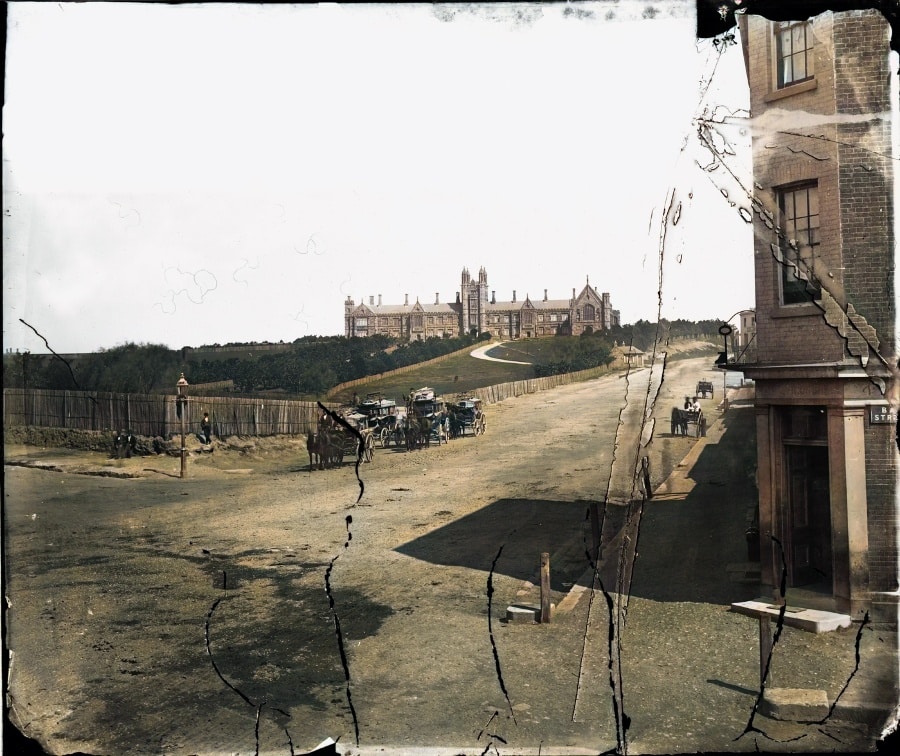
The original Geraldton Courthouse, circa 1900. Built in the 1860s, the courthouse was in use when Sing Ong stood trial for murder in 1884. State Library of Western Australia, BA597/26.

⬅ See all events from 29 October

Spread the word on your favourite platform!

Sir Walter Raleigh had already cheated the executioner once. Convicted of treason within months of Queen Elizabeth’s death, after rivals whispered that he had opposed the accession of King James, he was spared at the last moment and spent thirteen years locked in the Tower of London instead.

Released in 1616 to hunt for gold in Guiana, Raleigh promised the voyage would bring no trouble with Spain. It did: his men attacked a Spanish outpost against direct orders, the expedition found no gold, and Raleigh came home to a king eager to please Madrid and an old death sentence still on the books. It was carried out in London on 29 October 1618.

On the scaffold he asked to examine the axe himself, running a thumb along the blade before remarking, “This is a sharp medicine, but it is a physician that will cure all diseases.”

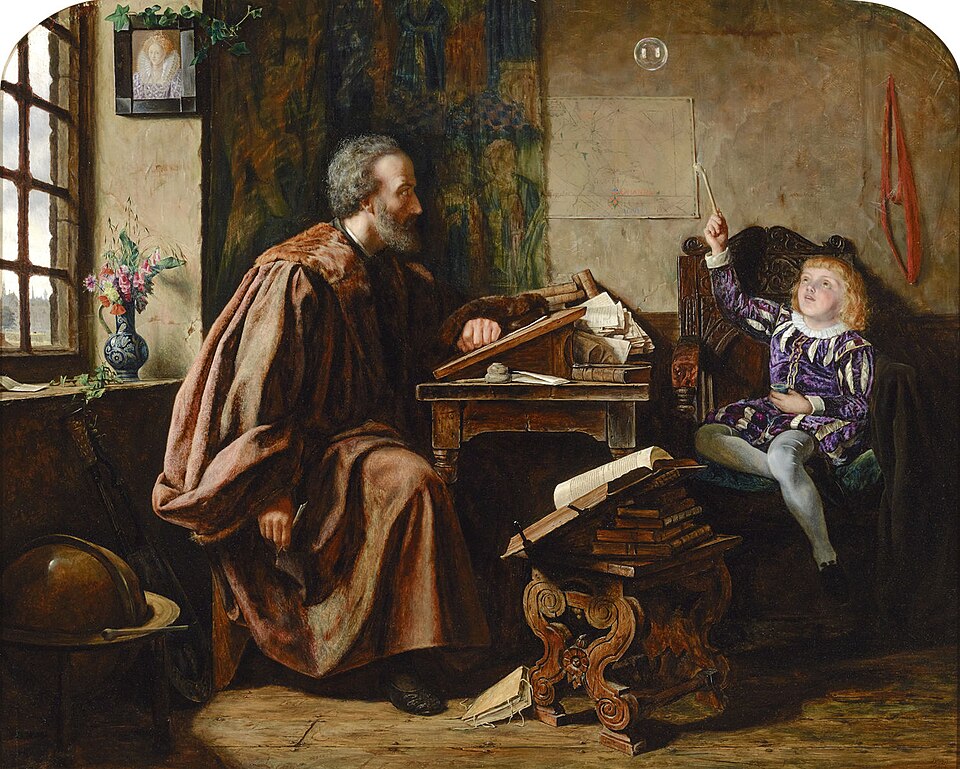
Sir Walter Raleigh imprisoned in the Tower of London by Henry Wallis

⬅ See all events from 29 October

Spread the word on your favourite platform!

John Lloyd, a ticket-of-leave convict working near Geraldton, shot his own labourer John Brown with intent to kill at Port Gregory in June 1857. Brown was himself a former convict, but only months earlier he had been granted a conditional pardon for manslaughter, finally free after years under sentence, before his own employer put a bullet in him.

Lloyd was tried and convicted that October, and hanged at Perth Gaol on this day in 1857. It was not his first brush with the gallows’ shadow: a decade earlier he had been transported for life from Wales for highway robbery, and had already served years in the colony before the shooting that finally ended his.

Old Perth Gaol circa 1862

⬅ See all events from 29 October

Spread the word on your favourite platform!

Joseph Theodore Leslie “Squizzy” Taylor, Melbourne‘s most notorious gunman, had died days earlier in a shootout with rival criminal Cutmore. He was buried in a polished oak coffin with gold mountings at Brighton Cemetery on this day in 1927, while hundreds of onlookers, mostly women, crowded outside his Richmond home to watch the coffin leave.

What followed was described in the press as a disgraceful exhibition of morbid curiosity. Traffic was blocked for half an hour, and just before the funeral began a crowd surged at the gateway, forcing police to be called to clear a path. At the graveside few of Taylor’s former associates could be seen among the throng of sightseers. Cutmore, the other man killed in the same gun battle, had been buried the previous day at Coburg.

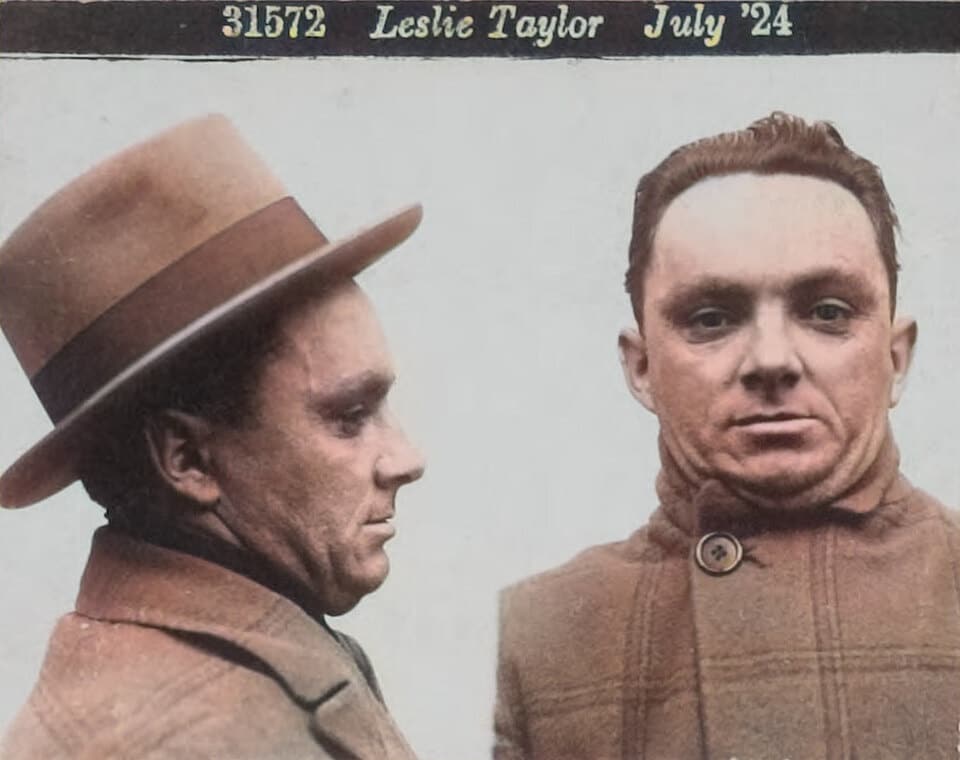
The Squiz: Leslie 'Squizzy' Taylor, police identification photographs July 1924 [collection of the Public Record Office of Victoria, Central Register for Male Prisoners 31530 - 31927 (1907-1909)]
The Squiz: Leslie ‘Squizzy’ Taylor, police identification photographs July 1924 [collection of the Public Record Office of Victoria, Central Register for Male Prisoners 31530 – 31927 (1907-1909)]

⬅ See all events from 29 October

Spread the word on your favourite platform!
On This Day in True Crime History

Subscribe to Dark Stories

True crime stories, dark history and tour news, straight to your inbox.