In August 1971, Stanford University psychology professor Philip Zimbardo launched a two-week simulation of prison life using 24 male college students, randomly assigned as either guards or prisoners. Recruited through a newspaper advertisement, participants were paid $15 a day. Within days, the guards, given uniforms designed to strip individual identity, began psychologically abusing the prisoners with escalating cruelty.

The experiment collapsed on the sixth day after psychologist Christina Maslach visited the site and confronted Zimbardo over the conditions she witnessed. He shut it down, later admitting he had become too absorbed in his own role as superintendent. The study became a landmark case in research ethics, prompting American universities to strengthen institutional review processes for human experimentation. Later critics, including researcher Thibault Le Texier, argued the guards had been coached to behave aggressively, and that Zimbardo’s conclusions were largely written before the experiment began.
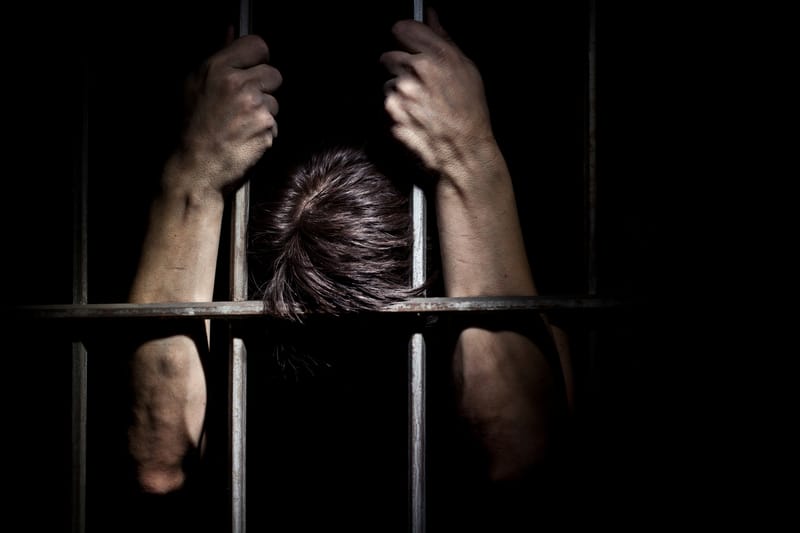

Prisoner hands gripping steel lattice close up

⬅ See all events from 14 August

Spread the word on your favourite platform!

At 8:00 a.m. on 13 August 1964, two gallows traps opened in unison across England. Peter Anthony Allen dropped at Walton Prison in Liverpool; Gwynne Owen Evans dropped at Strangeways Prison in Manchester. Both had been convicted of the capital murder of John Alan West, a 53-year-old laundry van driver from Workington, Cumbria, stabbed and beaten to death during a robbery at his home in the early hours of 7 April 1964.

Police traced the men within 48 hours through a medallion left at the scene, inscribed with Evans’ name. Tried together at Manchester Crown Court in June 1964, the jury found both equally guilty of capital murder committed in the course of theft. The judge, executioners Harry Allen and Robert Leslie Stewart, and the clock itself were all synchronised. When the traps fell, Britain’s era of capital punishment fell with them. No one has been executed in the United Kingdom since.

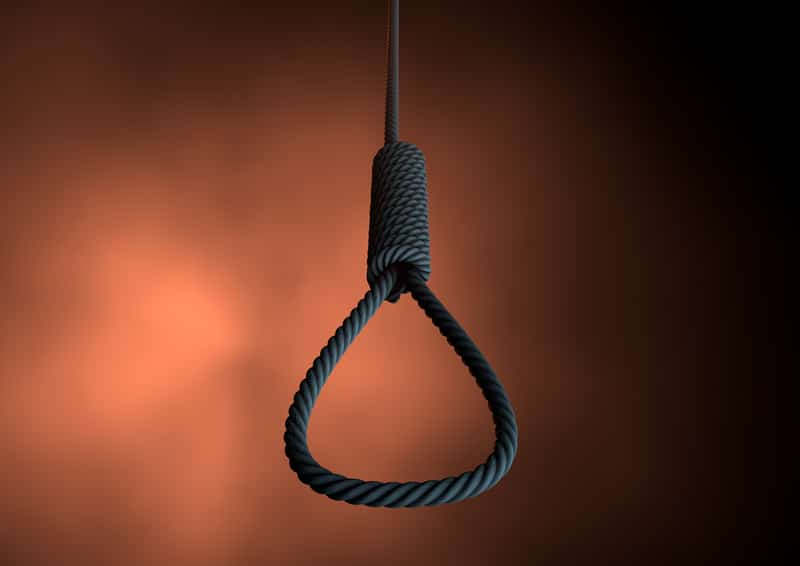
Silhouetted hangmans noose rope on orange backlit background

⬅ See all events from 13 August

Spread the word on your favourite platform!

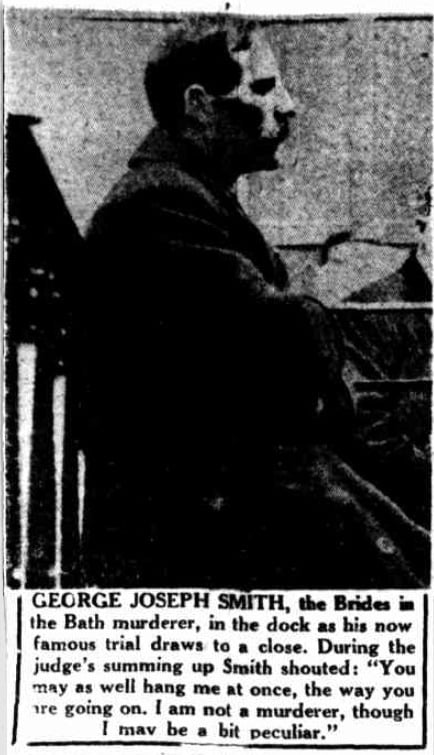
George Joseph Smith, operating under aliases including Henry Williams and John Lloyd, was convicted of drowning three women in their baths after marrying them bigamously and insuring their lives. His victims were Bessie Mundy, found dead at Herne Bay in 1912; Alice Burnham, drowned at Blackpool in December 1913; and Margaret Lofty, found dead in her bath at Highgate in December 1914. Each death was initially recorded as accidental, but Divisional Detective Inspector Neil and pathologist Dr Bernard Spilsbury determined that accidental drowning in any of those baths was effectively impossible.

Smith was tried in 1915, convicted of all three murders, and hanged at Maidstone Prison by executioner John Ellis on 13 August 1915.

Smith protested his innocence to the end.

George Joseph Smith Brides in the Bath murderer in the dock

⬅ See all events from 13 August

Spread the word on your favourite platform!

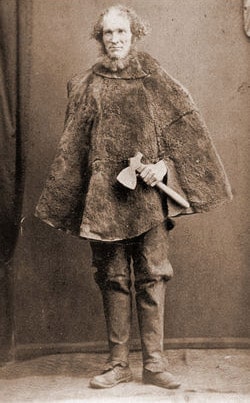
Joseph Bolitho Johns, born in Wales around 1826 and transported to Fremantle in 1853 as convict 1790, became the most celebrated escape artist in Western Australian history. Known as Moondyne Joe, the Cornish-Welsh convict turned bushranger broke out of custody so many times that his repeated escapes became legend.

He made his final escape on 13 August 1900, dying at the Fremantle Lunatic Asylum after years of confinement and declining health. He was buried two days later in a pauper’s grave at Fremantle Cemetery.

moondyne joe
Moondyne Joe – Perennial Escapee

⬅ See all events from 13 August

Spread the word on your favourite platform!
On This Day in True Crime History

Subscribe to Dark Stories

True crime stories, dark history and tour news, straight to your inbox.