1863: The Mob Wanted to Lynch Him on the Spot: A Bushranger Hanged at Maitland for Murdering a Brave Drover

On Warland’s Range near Murrurundi in April 1863, a masked rider named Henry Wilson held up a party of drovers and stripped young Peter Clarke of his watch and chain. When Clarke lunged at him, Wilson shot him three times; Clarke was dead within minutes. So furious was the crowd that gathered at the scene that police had to physically stop them from hanging Wilson on the nearest tree.

He was tried instead at Maitland Circuit Court, where his counsel argued the fatal shot had gone off accidentally in the struggle. The jury took ten minutes to convict him, and he was hanged at East Maitland Gaol on 2 October 1863. Clarke’s bravery was later honoured with a public monument erected on the spot where he fell.

Wilson admitted firing the shots but denied meaning to kill, blaming drink and panic in the scuffle; still, he told his priest he accepted the justice of his sentence and deserved to die.
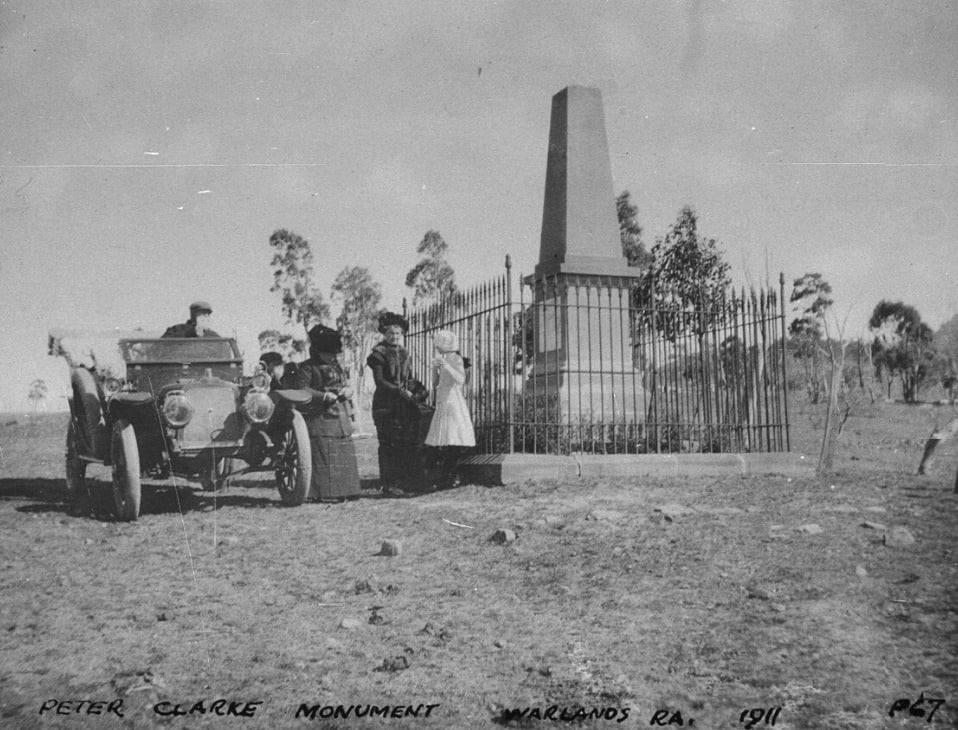

Peter Clarke monument, Warland’s Range, near Blandford, NSW. Mitchell Library, State Library of New South Wales, At Work and Play - 05492.
Peter Clarke monument, Warland’s Range, near Blandford, NSW. Mitchell Library, State Library of New South Wales, At Work and Play – 05492.

⬅ See all events from 2 October

Spread the word on your favourite platform!
True Crime Scene Tape

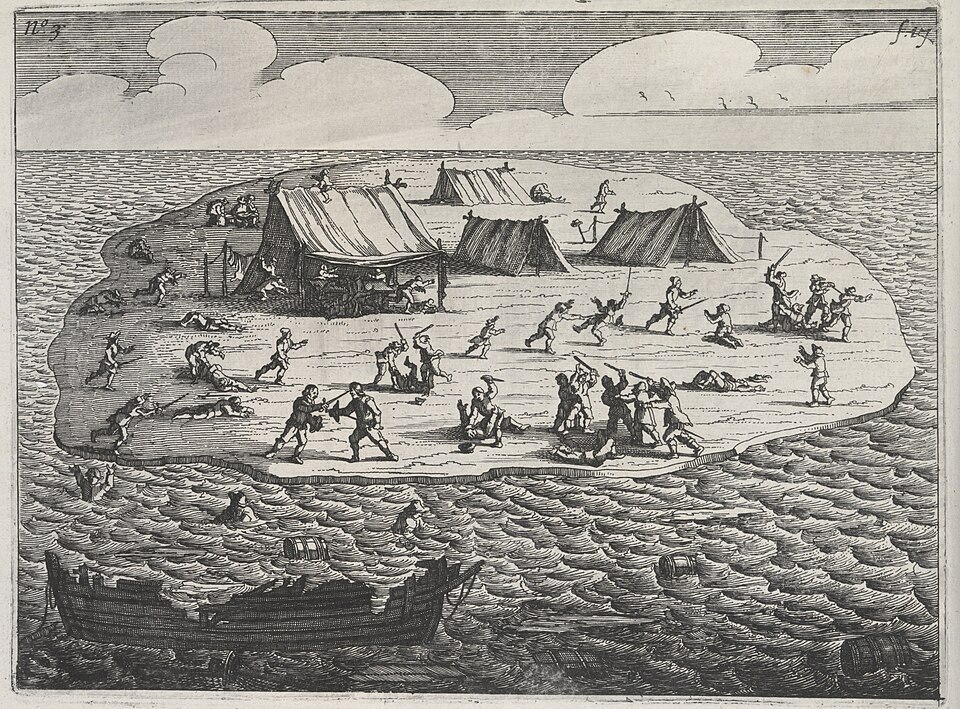
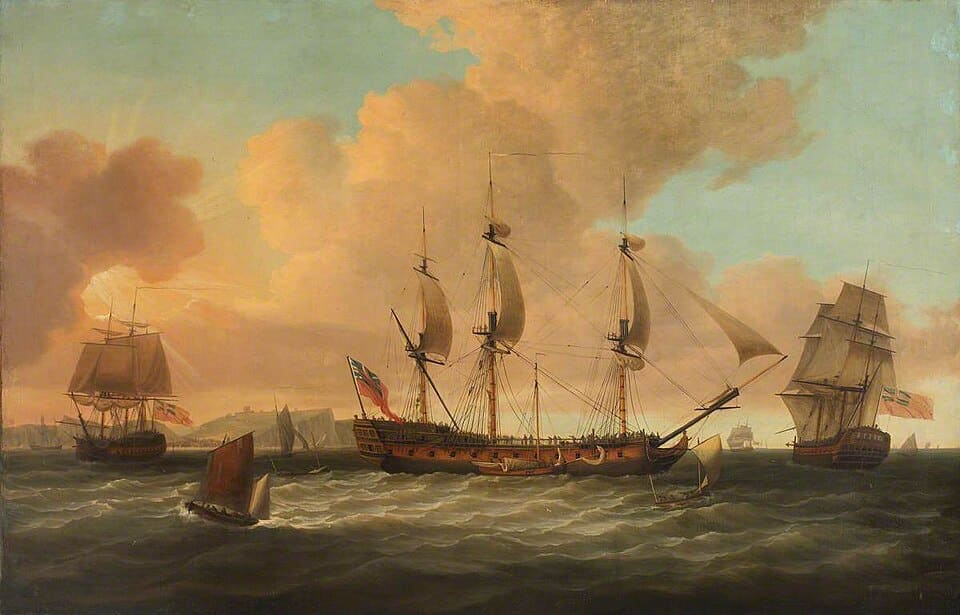
1629: The Batavia Massacre: First European Executions on Australian Soil

When the Dutch East India Company ship Batavia wrecked on a reef off Western Australia in 1629, disgraced merchant Jeronimus Cornelisz seized control of the survivors stranded on the barren Houtman Abrolhos islands. Fearing his crimes would be exposed once rescue came, he set his followers to killing anyone who might oppose him or drain the group’s meagre food and water. Over the following weeks his men murdered at least 125 men, women and children, drowning some and butchering others, while a small band of soldiers under Wiebbe Hayes held out against them on a nearby island.

When commander Francisco Pelsaert finally returned with a rescue ship, Cornelisz had already been captured. He and six of his men were hanged on Long Island in the Houtman Abrolhos on 2 October 1629, the first Europeans executed on Australian soil; Cornelisz had both hands amputated before he was strung up. Two lesser offenders were marooned on the mainland instead, becoming the first Europeans known to live in Australia.

Confessions were extracted from several of the mutineers under torture before the executions were carried out.

From Shipwreck to Massacre on Beacon Island

⬅ See all events from 2 October

Spread the word on your favourite platform!
True Crime Scene Tape

1974: Nixon Walked Free on a Pardon While His Own Attorney General Went to Prison: the Watergate Cover-Up Trial

Five men who had run Richard Nixon’s White House and Justice Department went on trial in Washington in October 1974, charged with conspiracy, obstruction of justice and perjury for trying to smother the investigation into the break-in at the Democratic National Committee offices two years earlier.

The trial ran three months. On January 1, 1975, a jury convicted former Attorney General John Mitchell along with chief of staff H.R. Haldeman and aide John Ehrlichman on multiple felony counts; a co-defendant was acquitted. The one man missing from the dock was Nixon himself, who had resigned the previous August and been pardoned by President Gerald Ford before he could ever be charged, leaving the men who had followed his orders to serve the time he never did.

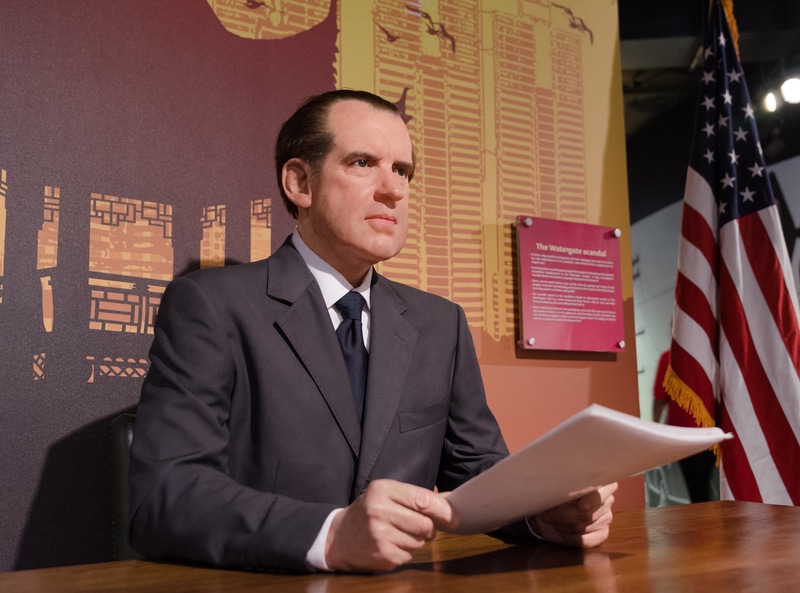
President Richard Nixon made of Wax. Wax figure Richard Nixon reading documents with american flag at desk | ID 59298060 © Lequint | Dreamstime.com
ID 59298060 © Lequint | Dreamstime.com

⬅ See all events from 1 October

Spread the word on your favourite platform!
True Crime Scene Tape

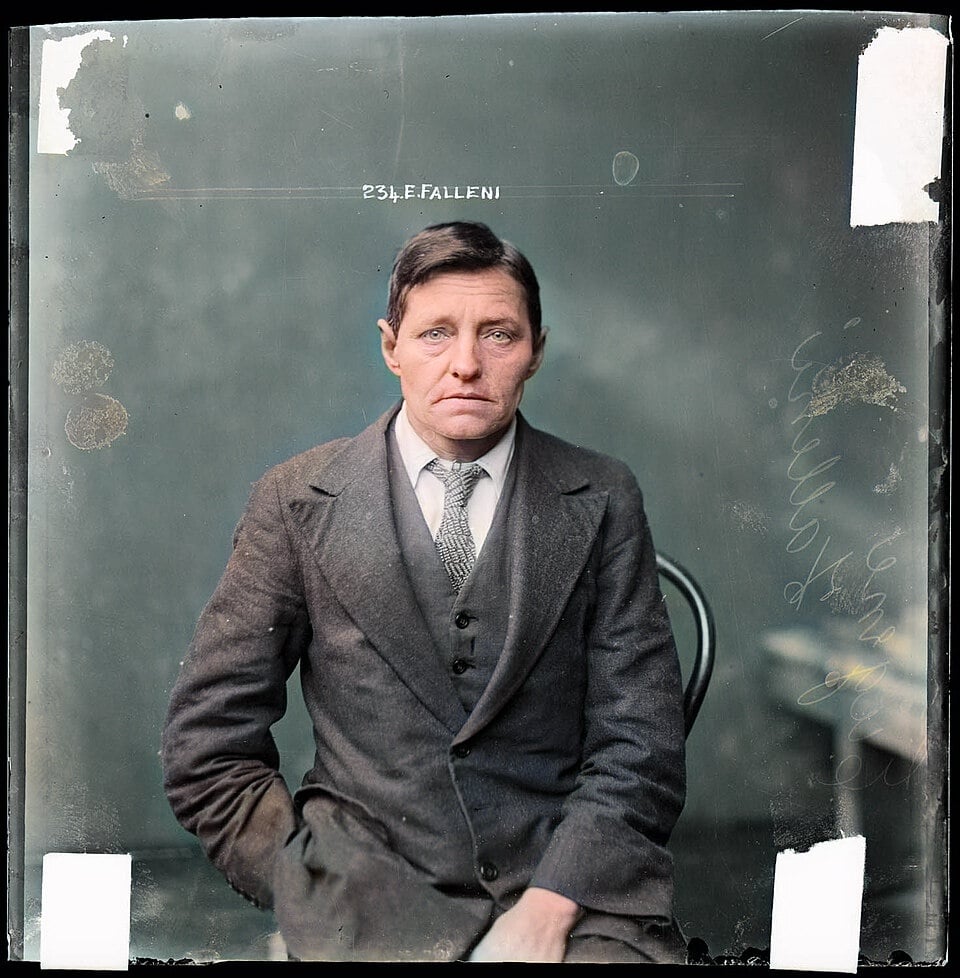
1917: Told to Dig a Hole in the Dark: the Stepson Who Undid Eugenia Falleni in the “Man-Woman” Trial at Darlinghurst

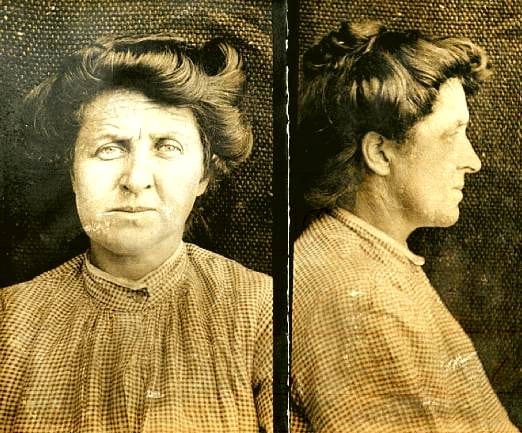
Annie Birkett married Harry Crawford in Sydney in 1913 not knowing that Crawford had been born Eugenia Falleni and had lived as a man for twenty years. A neighbour told her in 1917. That October the pair went picnicking at Chatswood and Annie never came home; a charred body was found in scrub off Mowbray Road the next morning, still alive when the fire was lit, the doctor said. It lay unidentified for three years. Falleni told her son she had run off with another man.

The boy remembered other things. Days after his mother vanished his stepfather took him to The Gap and tried to coax him to the cliff edge; a week later he led him into scrub at night, told him to dig a hole, then threw the shovel away and took him home. In 1920 the son went to police. The body was matched through its false teeth, and among its effects he knew his mother’s shoes, one sole mended by his stepfather. Tried at Darlinghurst in what the papers called the “Man-Woman case”, put into the dock first in a suit and then in a dress, Falleni was convicted in two hours.

Sentenced to death, later commuted to life, Falleni told the judge: “I am not guilty, your Honor. I know nothing whatsoever of this charge.”

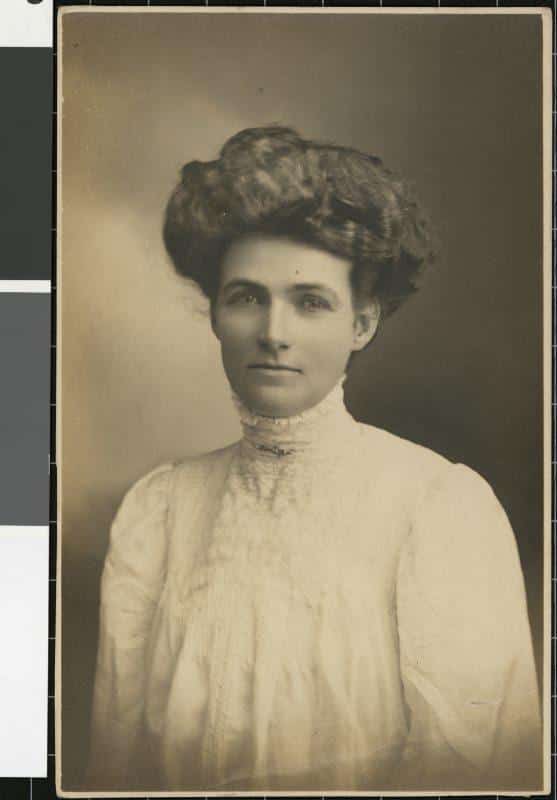
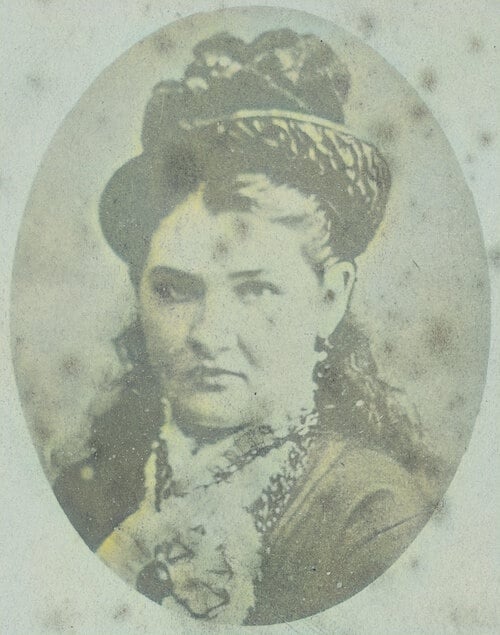
Portrait of Annie Birkett, circa 1910. Justice & Police Museum Collection, Museums of History NSW. Gift of Linda Slinger, 2011. Accession no. JP2011/1-2.

⬅ See all events from 1 October

Spread the word on your favourite platform!
True Crime Scene Tape
On This Day in True Crime History

Subscribe to Dark Stories

True crime stories, dark history and tour news, straight to your inbox.