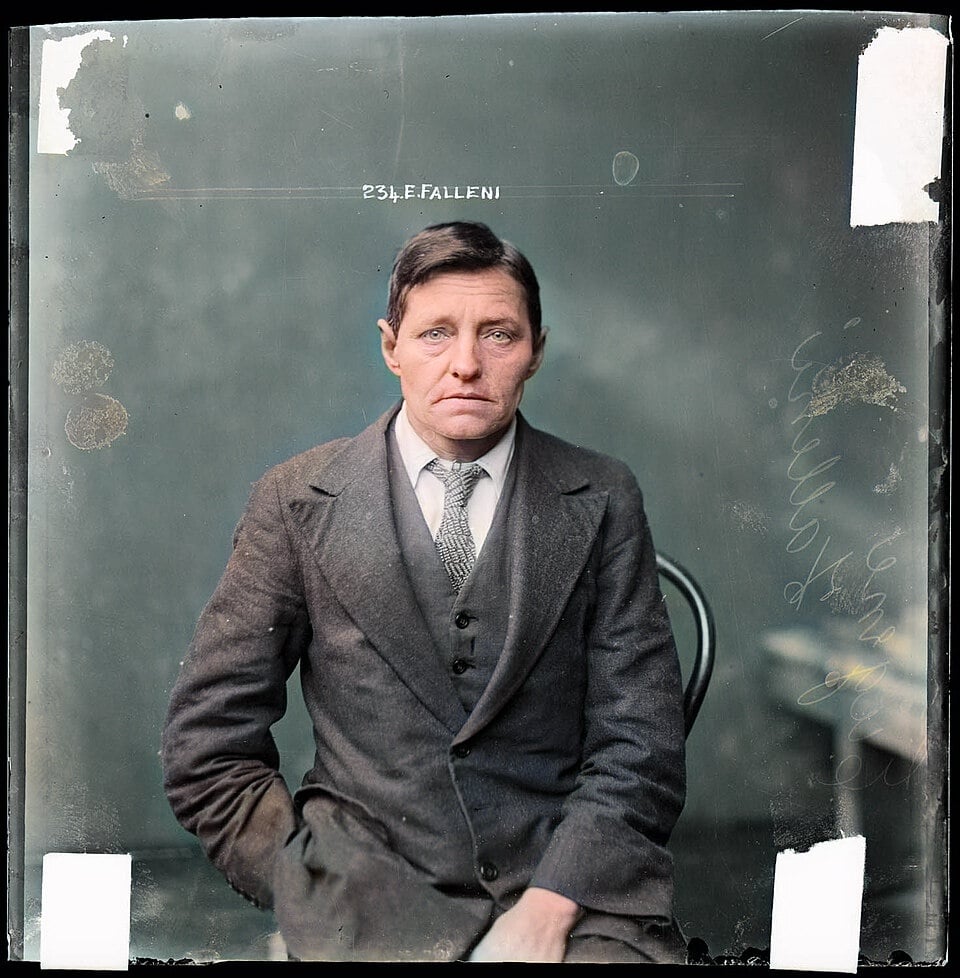
1960: Breathing for Seven Hours: The Forensic Test That Disproved a Kidnappers Alibi in the Graeme Thorne Murder

In July 1960, nine-year-old Graeme Thorne was snatched from a street in Sydney‘s Bondi, Australia’s first known kidnap for ransom case, and murdered within a day. His body turned up six weeks later at Seaforth, wrapped in a picnic blanket that would ultimately betray his killer.

Forensic scientists traced the rare blanket through its manufacturer, dyed Pekingese hairs, two uncommon tree species and flecks of pink mortar to a house at Clontarf owned by Hungarian immigrant Stephen Bradley. By the time police called on 3 October, Bradley had already sailed for England; he was arrested when his ship reached Ceylon and extradited to stand trial. He claimed the boy had simply suffocated in his car boot, a story investigators demolished by rigging a breathing mask to the same boot and drawing air from it for seven hours straight.

Bradley pleaded not guilty to murder but admitted the kidnapping and had earlier signed a confession he later retracted. He was sentenced to life imprisonment and died in custody seven years later.
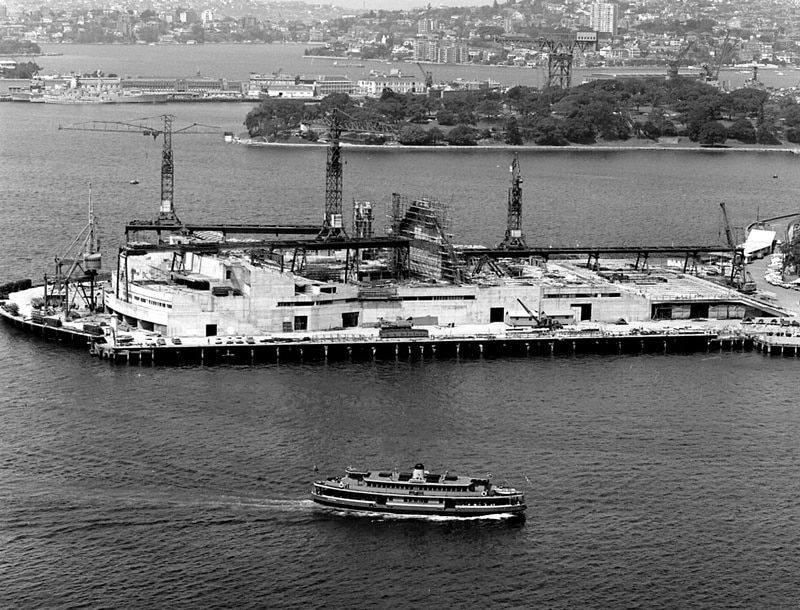

Sydney Opera House under construction in 1963.

⬅ See all events from 3 October

Spread the word on your favourite platform!
True Crime Scene Tape

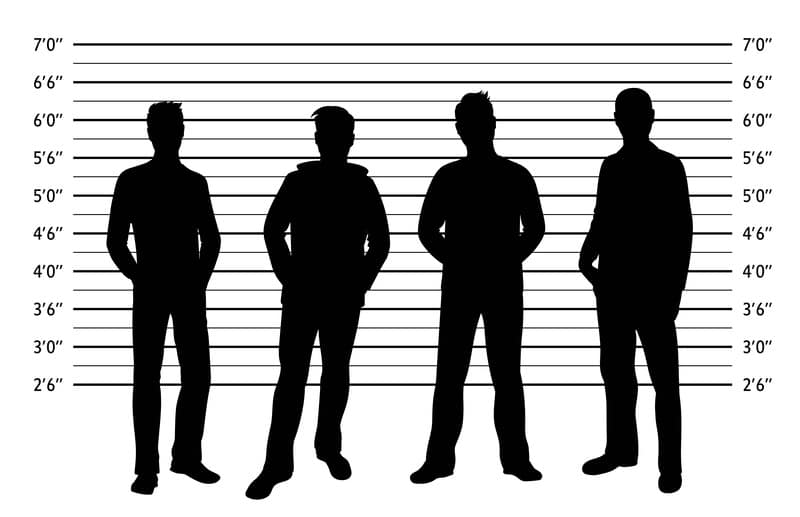
1975: The Woman Who Escaped Ted Bundy Fought Back and Identified Him in a Lineup

Carol DaRonch had already escaped once. In 1974 a man posing as a police officer lured her to his car, snapped a handcuff on her wrist and tried to force her into it; she fought free, leapt from the moving vehicle and ran.

Months later she stood in a police lineup with two other women and picked out the same face: Ted Bundy. He was arrested and charged with her attempted kidnapping, denied any wrongdoing, and waived his right to a jury trial, gambling that a judge alone would be less swayed by the growing suspicion linking him to a string of disappearances across several states.

DaRonch’s escape and her identification became one of the threads that eventually unravelled Bundy’s double life, feeding directly into the case that first put him behind bars.

Police lineup. Mugshot background with silhouette of different men. Black silhouette of four men on white background. Isolation. Vector illustration | ID 161630052 © Larisa Balatskaya | Dreamstime.com
ID 161630052 © Larisa Balatskaya | Dreamstime.com

⬅ See all events from 2 October

Spread the word on your favourite platform!
True Crime Scene Tape

1863: The Mob Wanted to Lynch Him on the Spot: A Bushranger Hanged at Maitland for Murdering a Brave Drover

On Warland’s Range near Murrurundi in April 1863, a masked rider named Henry Wilson held up a party of drovers and stripped young Peter Clarke of his watch and chain. When Clarke lunged at him, Wilson shot him three times; Clarke was dead within minutes. So furious was the crowd that gathered at the scene that police had to physically stop them from hanging Wilson on the nearest tree.

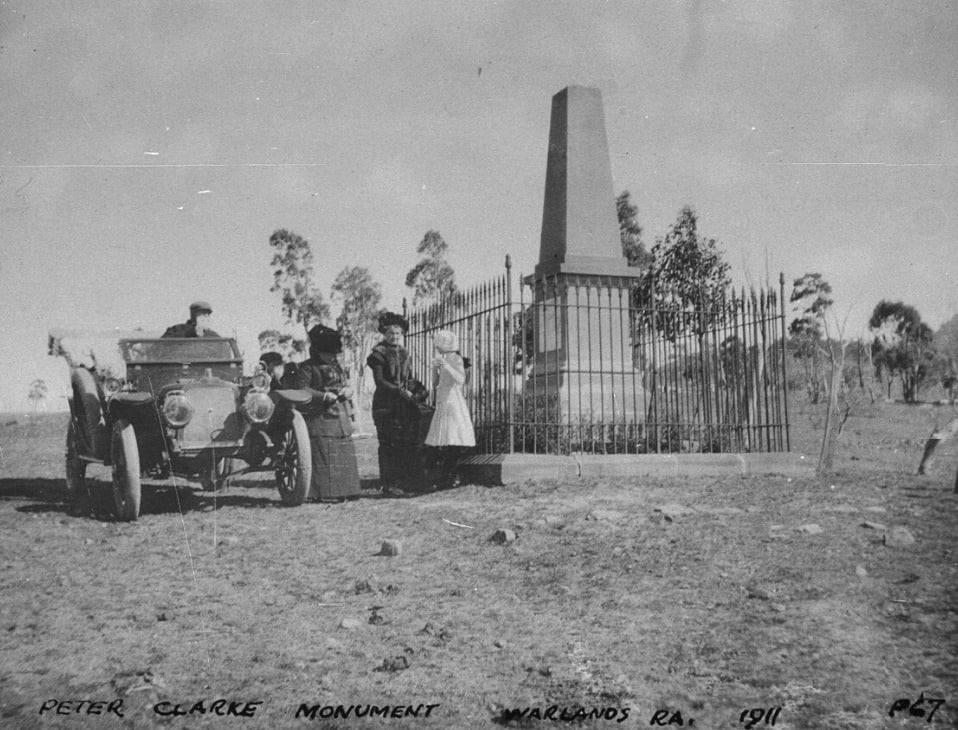
He was tried instead at Maitland Circuit Court, where his counsel argued the fatal shot had gone off accidentally in the struggle. The jury took ten minutes to convict him, and he was hanged at East Maitland Gaol on 2 October 1863. Clarke’s bravery was later honoured with a public monument erected on the spot where he fell.

Wilson admitted firing the shots but denied meaning to kill, blaming drink and panic in the scuffle; still, he told his priest he accepted the justice of his sentence and deserved to die.

Peter Clarke monument, Warland’s Range, near Blandford, NSW. Mitchell Library, State Library of New South Wales, At Work and Play - 05492.
Peter Clarke monument, Warland’s Range, near Blandford, NSW. Mitchell Library, State Library of New South Wales, At Work and Play – 05492.

⬅ See all events from 2 October

Spread the word on your favourite platform!
True Crime Scene Tape

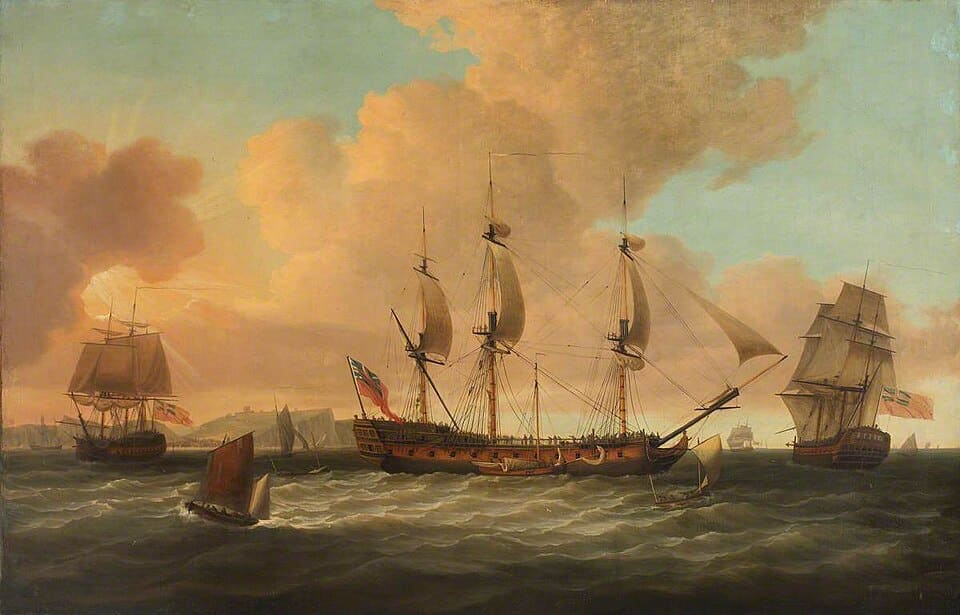
1629: The Batavia Massacre: First European Executions on Australian Soil

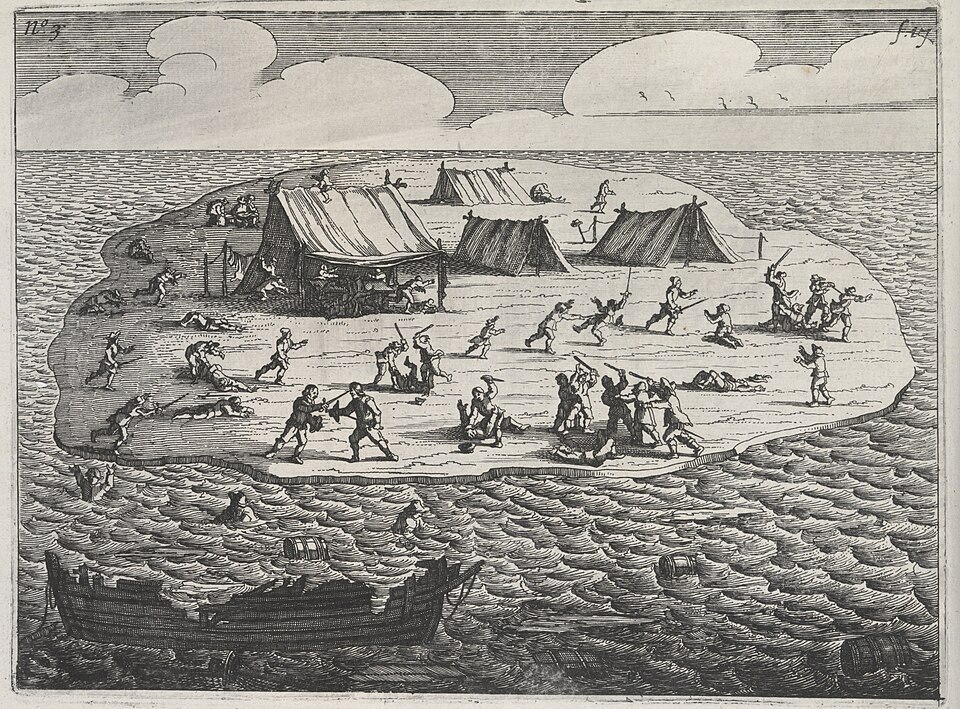
When the Dutch East India Company ship Batavia wrecked on a reef off Western Australia in 1629, disgraced merchant Jeronimus Cornelisz seized control of the survivors stranded on the barren Houtman Abrolhos islands. Fearing his crimes would be exposed once rescue came, he set his followers to killing anyone who might oppose him or drain the group’s meagre food and water. Over the following weeks his men murdered at least 125 men, women and children, drowning some and butchering others, while a small band of soldiers under Wiebbe Hayes held out against them on a nearby island.

When commander Francisco Pelsaert finally returned with a rescue ship, Cornelisz had already been captured. He and six of his men were hanged on Long Island in the Houtman Abrolhos on 2 October 1629, the first Europeans executed on Australian soil; Cornelisz had both hands amputated before he was strung up. Two lesser offenders were marooned on the mainland instead, becoming the first Europeans known to live in Australia.

Confessions were extracted from several of the mutineers under torture before the executions were carried out.

From Shipwreck to Massacre on Beacon Island

⬅ See all events from 2 October

Spread the word on your favourite platform!
True Crime Scene Tape
On This Day in True Crime History

Subscribe to Dark Stories

True crime stories, dark history and tour news, straight to your inbox.