1540: Thomas Cromwell Beheaded on Tower Hill for Treason Against Henry VIII

Thomas Cromwell, chief minister to King Henry VIII and chief architect of the English Reformation, was executed on Tower Hill on 28 July 1540. Born around 1485 in Putney, Surrey, he had risen from humble origins to become the most powerful man in England after the king, reshaping both church and government. His downfall came after he arranged the king’s disastrous marriage to Anne of Cleves, a union annulled within six months. Arraigned under an act of attainder for treason and heresy, he was beheaded without trial.

On the same day Cromwell lost his head, Henry VIII married his fifth wife, Catherine Howard. Henry later expressed deep regret at the execution of his chief minister, widely regarded as one of the most consequential acts of his reign.
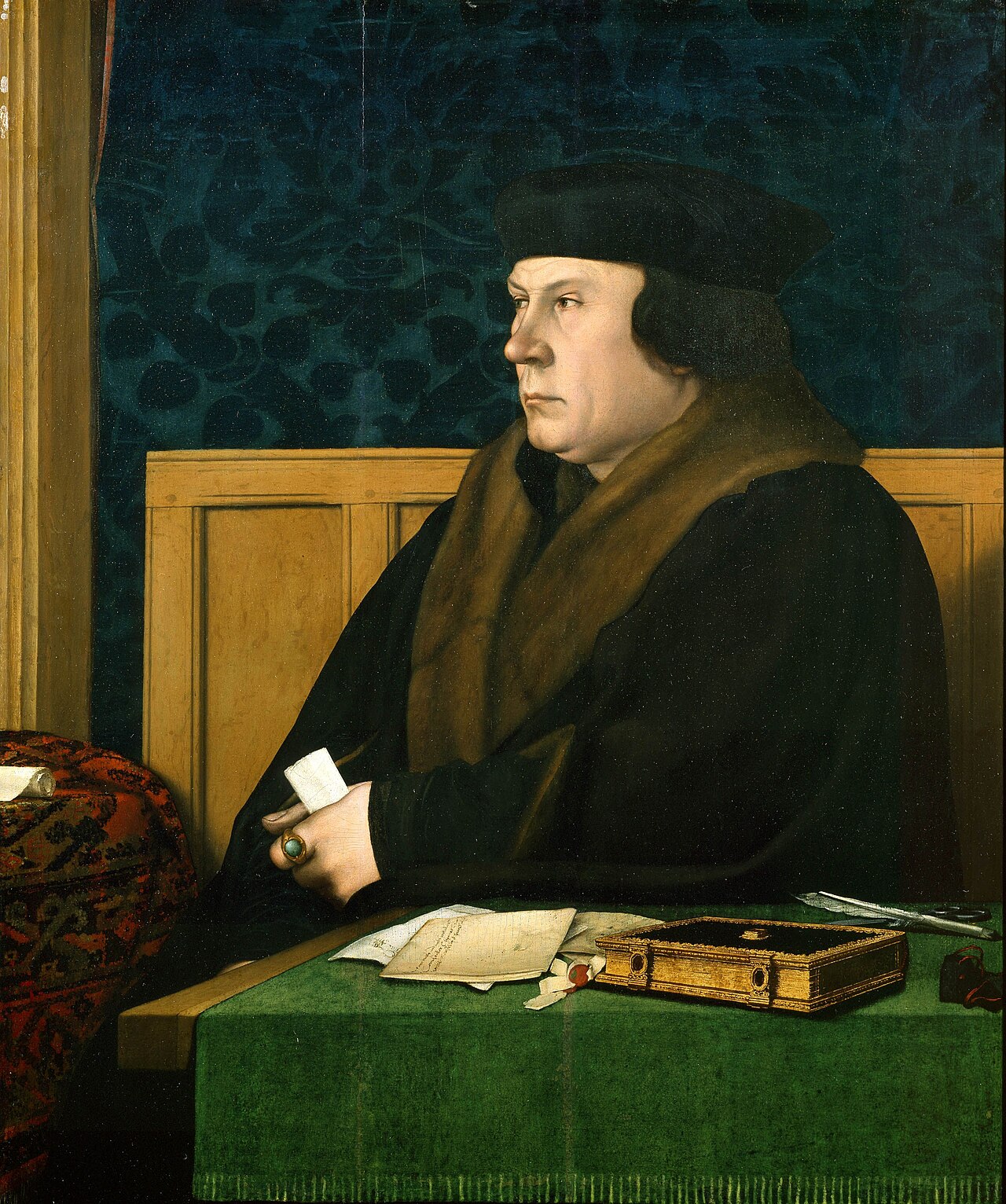

Portrait of Thomas Cromwell Tudor statesman

⬅ See all events from 28 July

Spread the word on your favourite platform!
True Crime Scene Tape

1835: The Infernal Machine: Fieschi’s 25-Barrel Assassination Attempt on King Louis Philippe I

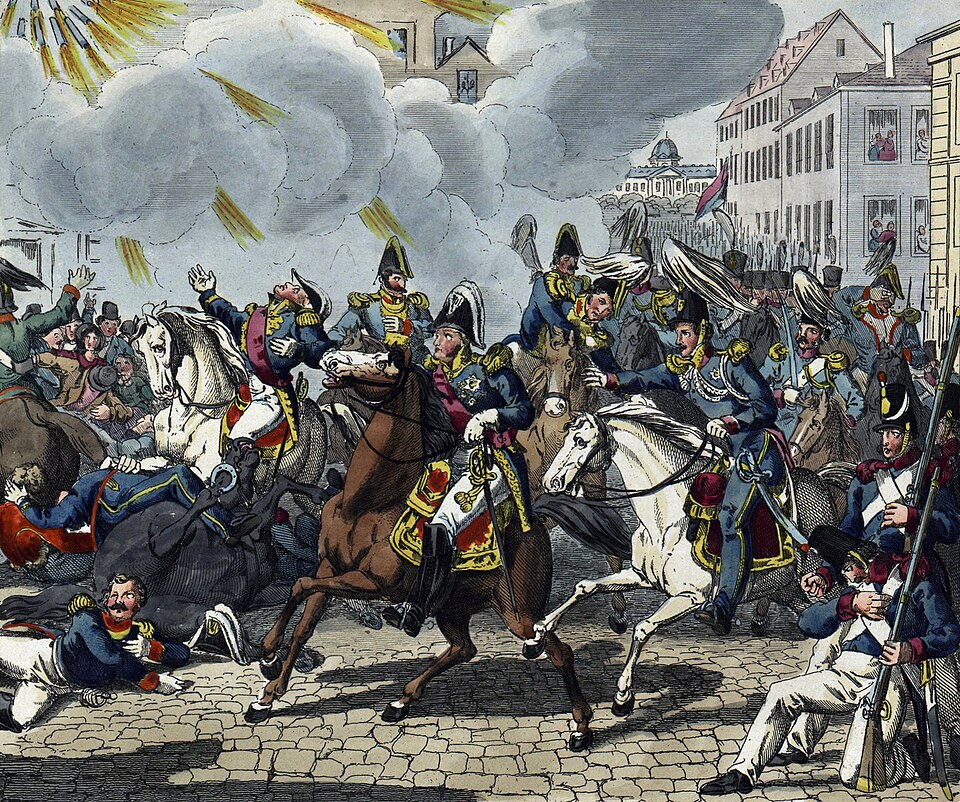
On 28 July 1835, Giuseppe Marco Fieschi fired a homemade 25-barrel volley gun, dubbed the ‘infernal machine’, from a third-floor window at 50 Boulevard du Temple in Paris, directly into the convoy of King Louis Philippe I of France. The weapon unleashed around 400 projectiles in a single volley; the king escaped with only a graze to the forehead, but 18 people were killed and 22 more wounded, at least four of whom had limbs amputated.

The gun’s design proved its own undoing: French artillery officers later concluded that if Fieschi had understood ballistics well enough to angle the barrels so they diverged and crossed, he could have killed up to 200 additional people and destroyed the king entirely. Instead, the parallel configuration limited the carnage. Fieschi himself was badly wounded when several barrels burst; he fled but was tracked by a trail of blood and captured shortly after.

Illustration of an assassination attempt on a king

⬅ See all events from 28 July

Spread the word on your favourite platform!
True Crime Scene Tape

1793: Robespierre Joins the Committee of Public Safety

On 27 July 1793, Maximilien Robespierre was elected to the Committee of Public Safety, the twelve-man body that effectively governed France during the most turbulent phase of the Revolution. His appointment marked a turning point: within months, the Committee would become the engine of the Terror, overseeing the execution of thousands deemed enemies of the Republic.

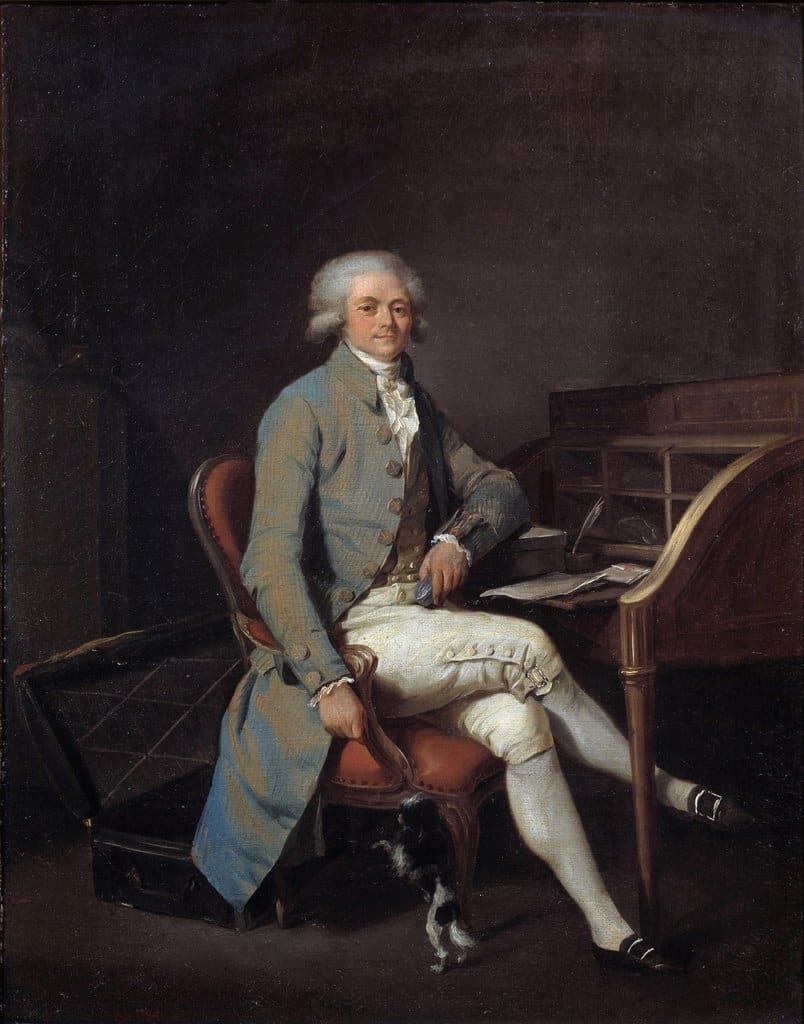
Robespierre’s influence on the Committee was profound and lethal. Under his direction, the Revolutionary Tribunal accelerated its work, sending nobles, clergy, political rivals, and ordinary citizens to the guillotine. His own end came almost exactly a year later, when the Thermidorian Reaction turned the machinery of the Terror against its architect.

Portrait of Robespierre by Louis Boilly

⬅ See all events from 27 July

Spread the word on your favourite platform!
True Crime Scene Tape

1996: The Ivan Milat Verdict: Seven Murders, Life Without Parole

Ivan Robert Marko Milat, known as the Backpacker Murderer, was found guilty on 27 July 1996 of seven counts of murder, the worst serial killing case in Australian history. His victims, mostly young backpackers travelling the Hume Highway between Sydney and Melbourne between 1989 and 1992, were lured under the pretence of a lift before being taken into the Belanglo State Forest in New South Wales and murdered.

Milat was sentenced to life imprisonment without possibility of parole and spent 25 years appealing his sentence. Police remained confident he was responsible for more killings than those proven at trial. He died in custody on 27 October 2019.

The <a href='https://darkstories.com.au/belanglo-state-forest-ivan-milat/' target='_blank' rel='noopener noreferrer'>Ivan Milat</a> Verdict: Seven Murders, Life Without Parole
#image_title

⬅ See all events from 27 July

Spread the word on your favourite platform!
True Crime Scene Tape
On This Day in True Crime History
1851·He Prayed for His Own Son to Die: A Fatalist Hanged at Melbourne Gaol for Murder
1917·Told to Dig a Hole in the Dark: the Stepson Who Undid Eugenia Falleni in the "Man-Woman" Trial at Darlinghurst
More Crime On This Day →

Subscribe to Dark Stories

True crime stories, dark history and tour news, straight to your inbox.