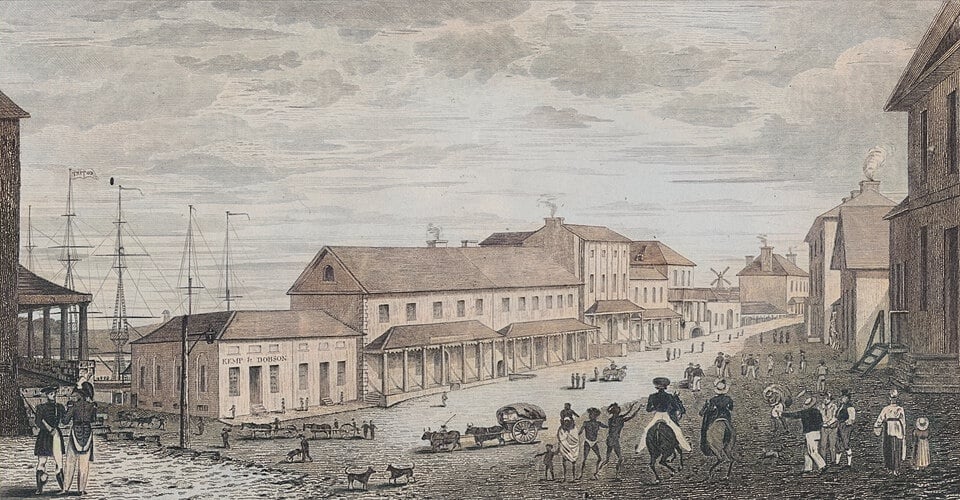
William Casey, a young Guardsman only about twenty years old, was hanged in London on 11 September 1721 after being convicted of robbing a man named John Stone in a city park. Casey never accepted the charge; he insisted the confrontation had nothing to do with theft and everything to do with Stone making indecent advances toward him, a claim that, if true, cast the entire prosecution in a very different light.

At the gallows Casey did not simply protest verbally. He left behind a written statement formally proclaiming his innocence of the robbery, a deliberate act by a condemned soldier determined that his version of events would outlive him.

“He maintained until death that the confrontation arose because Stone had made indecent advances toward him” and went to his execution still denying the crime for which he was hanged.
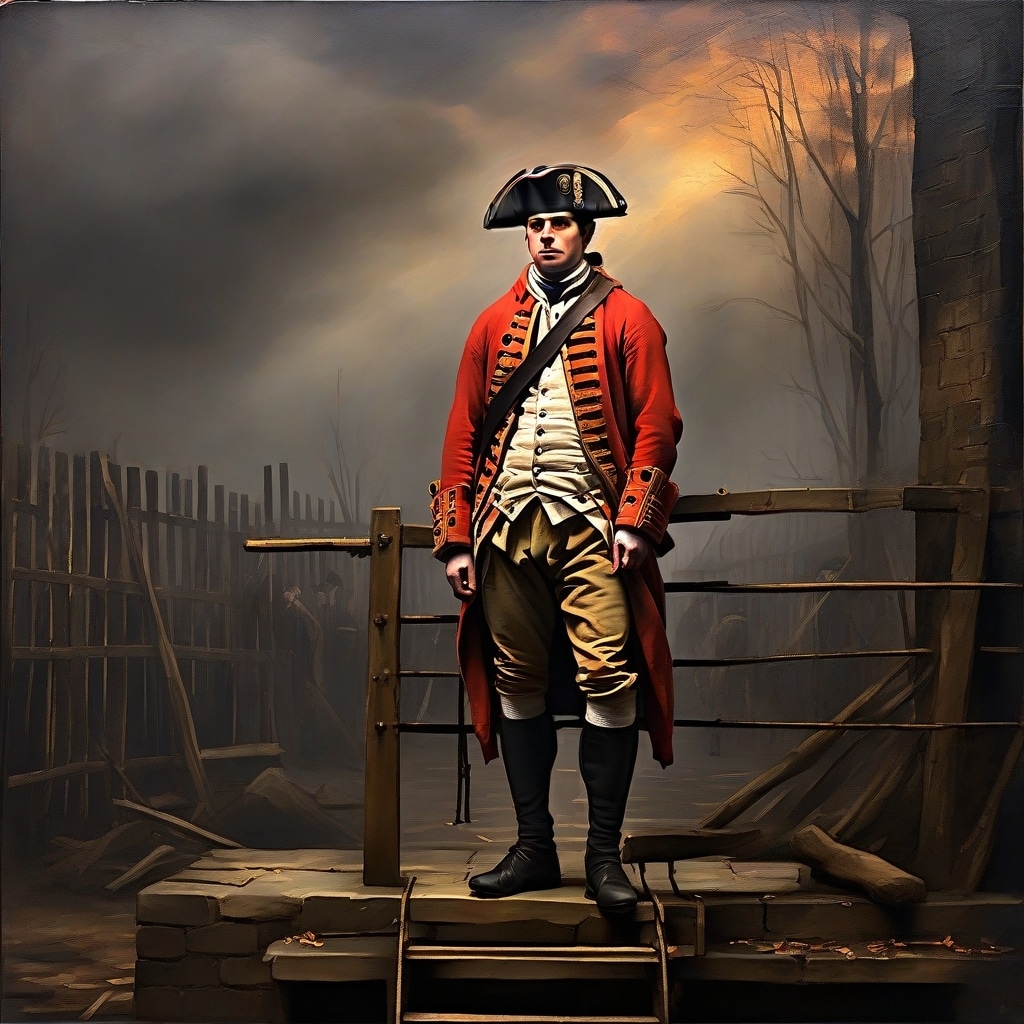

William Casey: The Soldier Accused of Robbery in the Park

⬅ See all events from 11 September

Spread the word on your favourite platform!

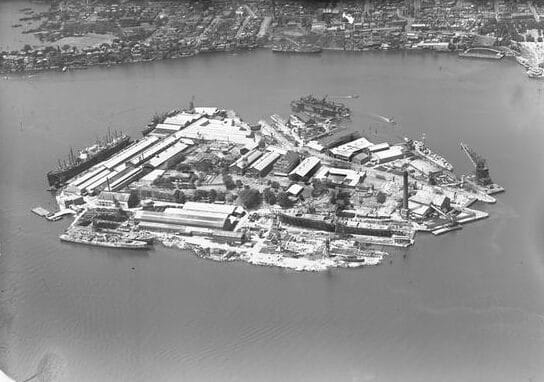
Frederick Wordsworth Ward, the bushranger known as Captain Thunderbolt, was serving time on Sydney‘s Cockatoo Island, a prison ringed by harbour currents and sheer sandstone cliffs and widely declared impossible to escape. On the night of 11 September 1863, Ward slipped his cell and plunged into the water, swimming through the cold, shark infested harbour to the mainland shore.

The breakout humiliated colonial authorities and turned Ward into a folk figure almost overnight. He spent the next seven years roaming the bush of northern New South Wales, robbing coaches, inns and travellers as one of the colony’s most enduring and elusive bushrangers before he was finally shot dead by police near Uralla in 1870.

Cockatoo Island, Sydney, 1951. Photograph by Frank Hurley. National Library of Australia, PIC FH/7951. Out of copyright.

⬅ See all events from 11 September

Spread the word on your favourite platform!

Bulgarian dissident Georgi Markov was waiting for a bus on Waterloo Bridge in London when he felt a sudden sharp pain in his leg. He turned to see a man pick up a dropped umbrella and hurry away, offering a mumbled apology. Markov thought little of it until a small red mark and fever set in over the following days.

The umbrella had been rigged to fire a tiny pellet packed with ricin, a poison for which there was and is no antidote. Markov died four days later, on 11 September 1978, from the resulting blood poisoning, becoming one of the most infamous casualties of Cold War espionage.

His killer would not be identified for almost three decades. It was not until 2005 that leaked files named the assassin as Francesco Gullino, an agent working for the Bulgarian secret service, though he was never extradited or tried for the murder.

Umbrella gun.
Umbrella gun.

⬅ See all events from 11 September

Spread the word on your favourite platform!

After their conviction for the 1989 shotgun murders of their parents, Jose and Kitty Menendez, in the family’s Beverly Hills home, the California Department of Corrections classified Lyle and Erik as maximum-security inmates and separated them, ending years of the brothers being held together. Lyle was sent to the California Correctional Institution near Tehachapi, while Erik was sent to California State Prison near Sacramento.

The brothers had initially told police that intruders, possibly connected to organised crime, were responsible for the killings. Suspicion grew after investigators noted their lavish spending in the months following the murders and discovered they had hired a computer expert to delete their father’s recently updated will. Erik ultimately confessed to the killings during sessions with his psychologist, describing a desire to escape a controlling father’s demanding expectations, a disclosure that led to both brothers’ arrests.

Beverly Hills sign in Hollywood, Los Angeles against a blue cloudy sky | ID 1216184 © Stephen Coburn | Dreamstime.com
ID 1216184 © Stephen Coburn | Dreamstime.com

⬅ See all events from 10 September

Spread the word on your favourite platform!
On This Day in True Crime History
1829·Beaten Unconscious Within Sight of the Gaol Wall: Hanged in Sydney for a Brutal Robbery
1894·Caught Serving Poisoned Tea: Martha Needle Hanged in Melbourne for a Family Poisoning Spree
More Crime On This Day →

Subscribe to Dark Stories

True crime stories, dark history and tour news, straight to your inbox.