On 28 August 1973, Swedish police ended a six-day hostage crisis at Sveriges Kreditbanken in Stockholm by pumping tear gas into the vault where captors and hostages had been confined since 23 August. The standoff concluded not with gratitude but with something far stranger: the hostages insisted on leaving alongside their captors, fearing police would open fire, and then embraced them warmly as the ordeal ended.

The behaviour baffled investigators and onlookers alike. A psychiatrist advising Swedish police coined the term ‘Stockholm syndrome’ to describe the paradoxical emotional bonds that had formed between the captives and the people holding them at gunpoint. The phrase entered the psychological lexicon and has since been applied to hostage situations around the world.


Stockholm Syndrome
Stockholm Syndrome

⬅ See all events from 28 August

Spread the word on your favourite platform!

In March 1981, John Hinckley Jr. fired six shots at President Ronald Reagan outside a Washington D.C. hotel, wounding Reagan and three others. The attack was later revealed to be motivated by an obsession with actress Jodie Foster.

On 28 August 1981, Hinckley entered a plea of not guilty to charges of attempted assassination. He was ultimately found not guilty by reason of insanity in 1982 and was committed to St. Elizabeths Hospital, a psychiatric facility in Washington D.C.

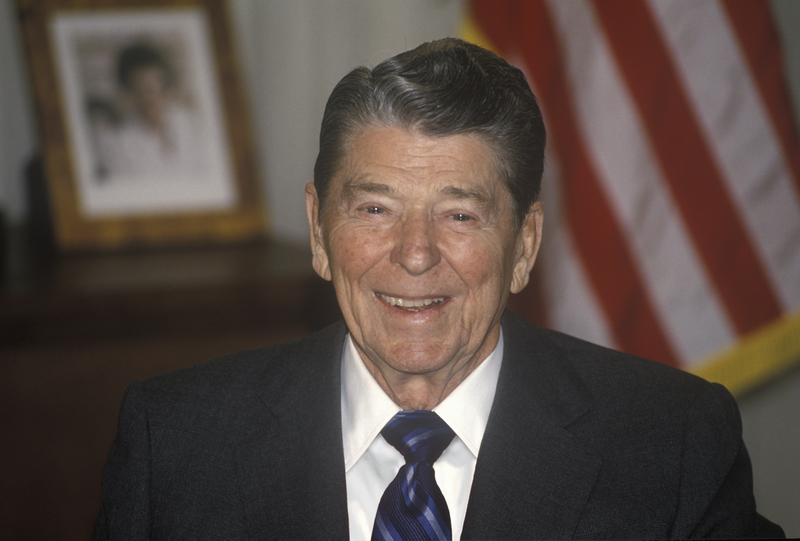
President Reagan presents an introduction for the Horatio Alger Association | ID 26274897 © Joe Sohm | Dreamstime.com
ID 26274897 © Joe Sohm | Dreamstime.com

⬅ See all events from 28 August

Spread the word on your favourite platform!

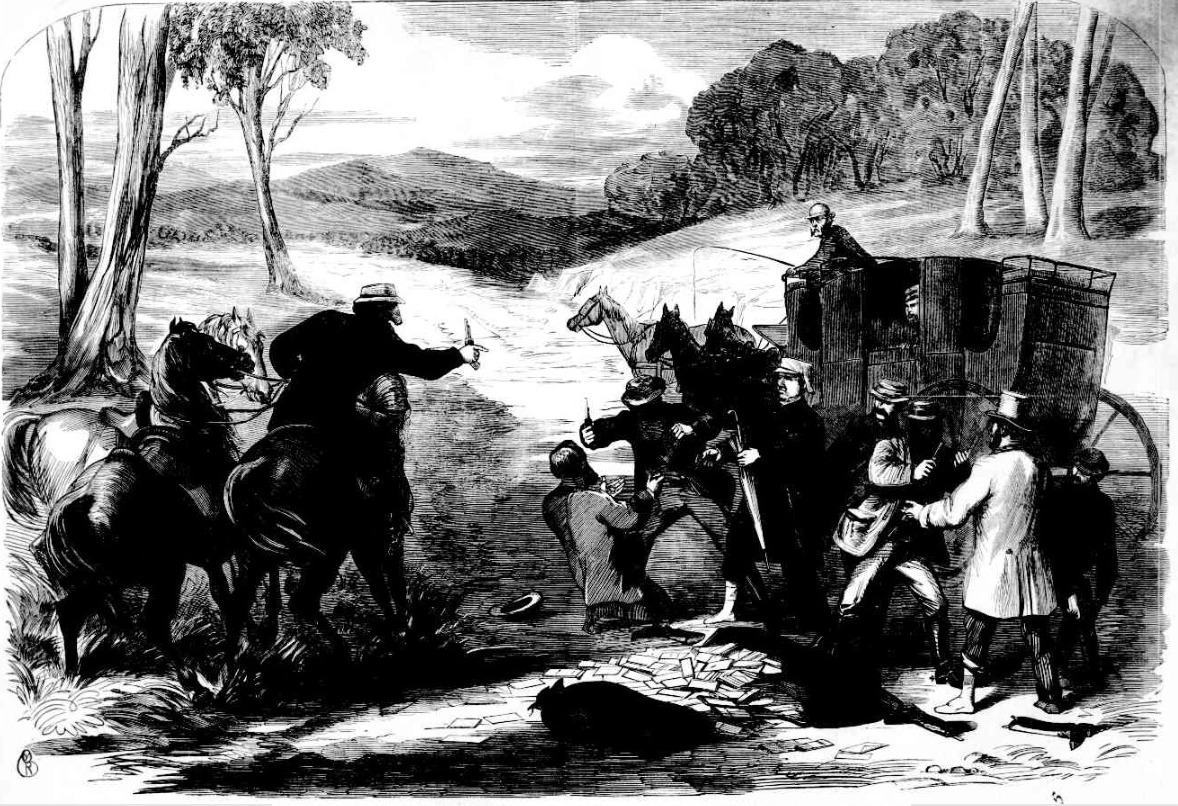
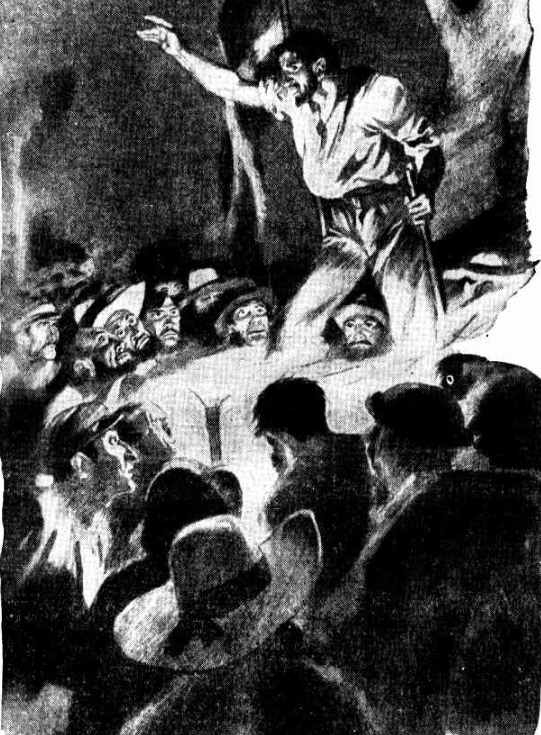
Frederick Turner, just 21 years old, was hanged at Melbourne Gaol on 28 August 1857 for robbery under arms on the Flemington Road. He and accomplices had robbed a labouring man near Flemington, and when the victim begged for the return of half a crown to feed his children, Turner drew a revolver and fired at his head. The ball glanced off, inflicting only a minor wound, but the intent was clear. Turner had arrived in Victoria as a free emigrant aboard the William Jardine in 1849, accompanied by his parents and brother.

Convicted at the Criminal Sessions of highway robbery and shooting with intent to murder, Turner went to the gallows clinging to hope of a reprieve that never came. He refused to reveal his real name, admitting only that idleness and dissolute company had been his ruin.

He maintained he had never intended to kill his victim, and this belief appeared to sustain a lingering, ill-founded hope that mercy would be shown to him in this world.

Bushranger Robbery Under Arms

⬅ See all events from 28 August

Spread the word on your favourite platform!

On 27 August 1979, Lord Louis Mountbatten, 79, was killed when a bomb planted by the Provisional IRA detonated aboard his fishing boat, Shadow V, in the waters off Mullaghmore, County Sligo, Ireland. The bomb, concealed on the vessel the night before, was remotely detonated as Mountbatten and family members set out from the harbour. Three others died in the blast, including his 14-year-old grandson Nicholas Knatchbull and a 15-year-old local boy.

Thomas McMahon, an IRA bomb-maker, was arrested hours before the explosion on unrelated grounds and later convicted of the murders based on forensic evidence linking him to the boat. The attack was coordinated with the Warrenpoint ambush the same day, which killed 18 British soldiers, making 27 August 1979 one of the deadliest days for British forces during the Troubles.

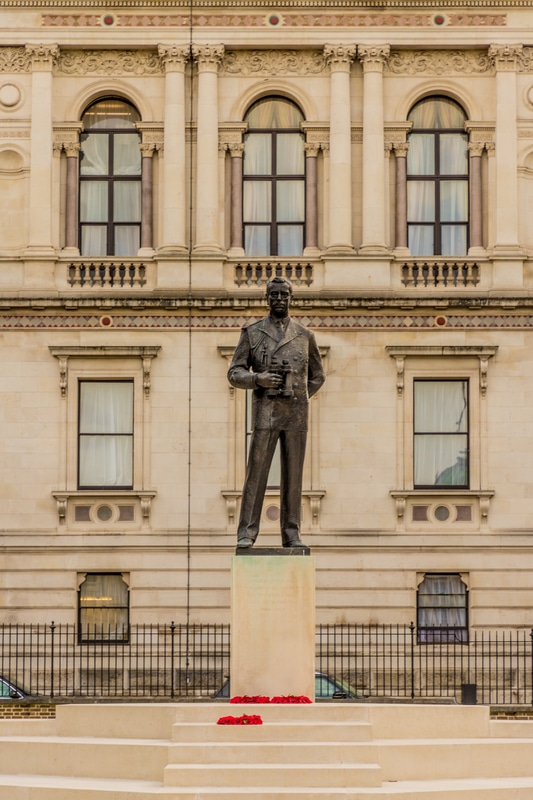
A typical view in London. London. October 2018. A statue of Lord Mountbatten in Horse guards parade in london | ID 130381623 © Chris Mouyiaris | Dreamstime.com
ID 130381623 © Chris Mouyiaris | Dreamstime.com

⬅ See all events from 27 August

Spread the word on your favourite platform!
On This Day in True Crime History

Subscribe to Dark Stories

True crime stories, dark history and tour news, straight to your inbox.