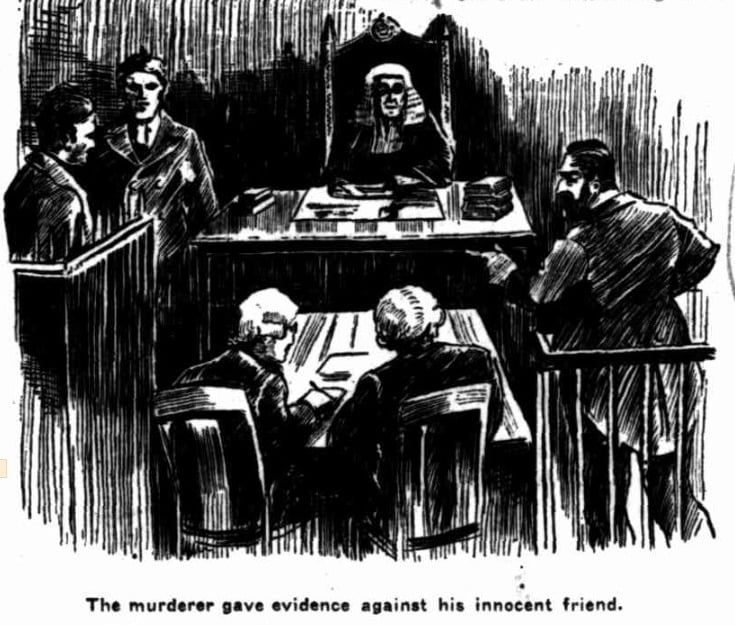
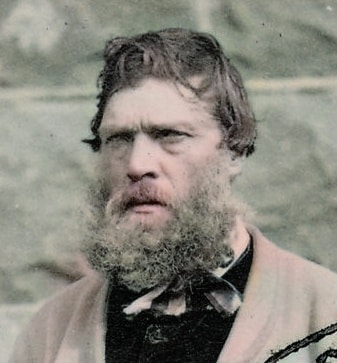
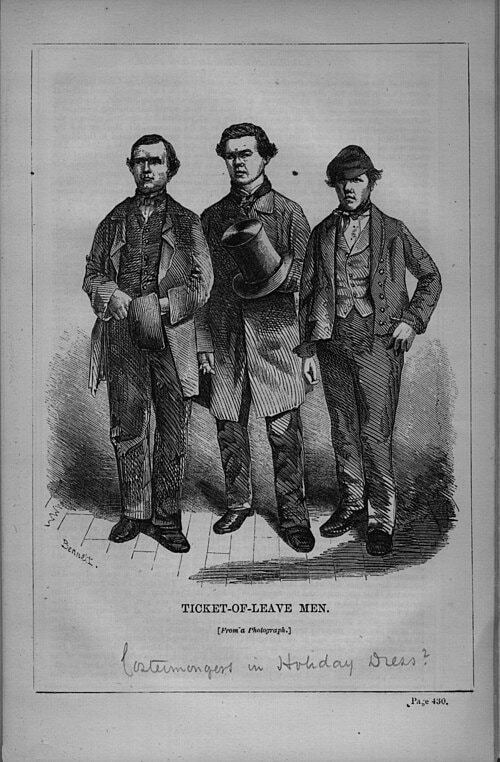
Edward Bishop was a ticket-of-leave convict working at York, east of Perth, when he fell into a bitter feud with a Chinese cook named Ah Chong. When the man turned up bludgeoned and dumped in the Avon River in 1854, a bloodied axe was found hidden in Bishop’s room, his clothes had been freshly washed, and his own drunken threats against Ah Chong were repeated back to him in court.
The evidence was entirely circumstantial, but the jury took twenty minutes to convict him, and he was hanged near the causeway at Perth. Bishop never wavered. Nobody believed him then, but three years later his own hut-mate, William Voss, confessed to the murder, admitting he had planted the axe among Bishop’s belongings. Voss himself was hanged in 1862 for killing his wife.
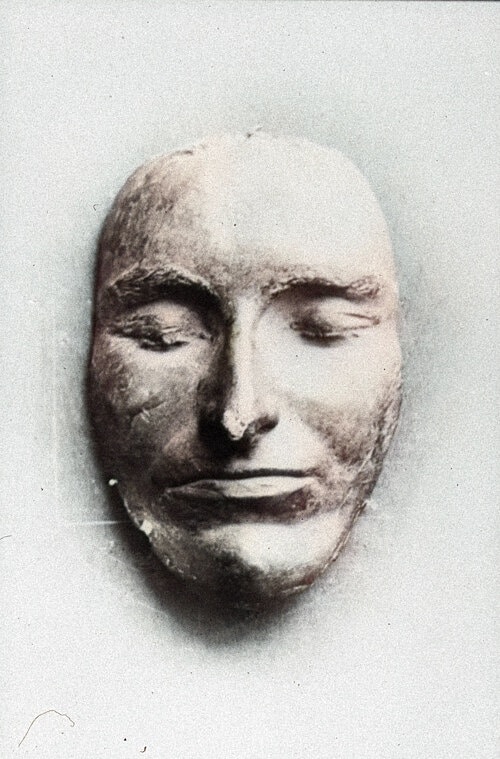
On the scaffold, Bishop raised his hand and declared, “I assert in the presence of God that I did not commit the murder. I am dying innocent of crime, and I do not fear death”.