Archives: Dark Stories: On This Day In True Crime History - Page 48
On Friday 13th September 1973, 20-year-old David McGreavy was left babysitting the three Ralph children in Worcester while their parents were out. He killed all three.
McGreavy then took a pick-axe to the bodies before impaling the remains on the wrought iron fence spikes of the house next door, where they were discovered by neighbours. The killings, carried out on the date now inseparable from bad luck and horror folklore, later fed the case’s grim nickname as Britain’s real life Friday the 13th murders. McGreavy was convicted and given three life sentences.
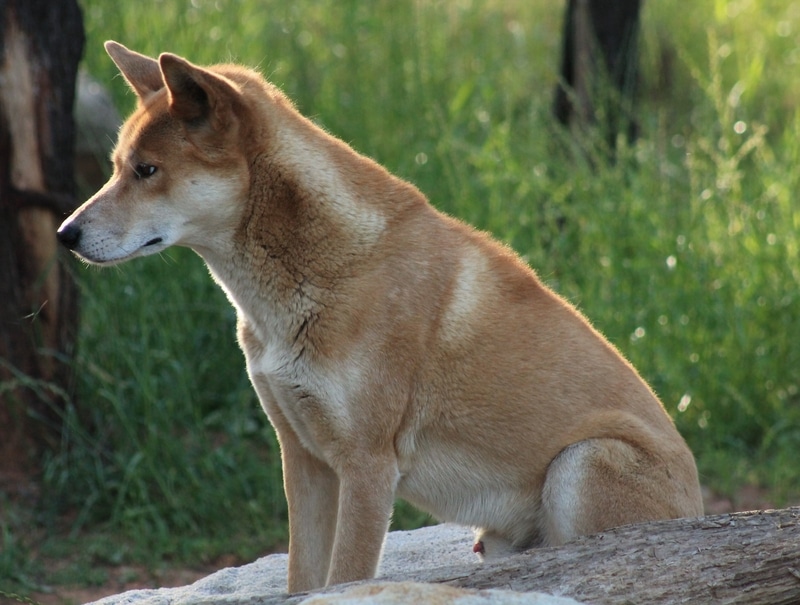
Nine week old Azaria Chamberlain vanished from her family’s tent at a campsite near Ayers Rock on the night of 17 August 1980. Her mother, Lindy Chamberlain, said she had seen a dingo leaving the tent, and the baby’s blood stained jumpsuit was found nearby days later, but her body was never recovered. A first inquest in 1981 accepted the dingo account and found no evidence of foul play.
That finding was overturned on appeal, and a second inquest opened on 13 September 1982, reopening a case that had already divided the country. This inquest went the other way, committing Lindy Chamberlain for trial on a charge of murder, a reversal that would send her to prison and make her one of the most publicly vilified women in Australian history.
Lindy Chamberlain was convicted later that year and sentenced to life imprisonment, but the case unravelled in 1986 when a piece of Azaria’s matinee jacket was found near a dingo lair, corroborating the original account. She was released and eventually exonerated, and a fourth inquest in 2012 formally confirmed that a dingo had taken and killed the child.
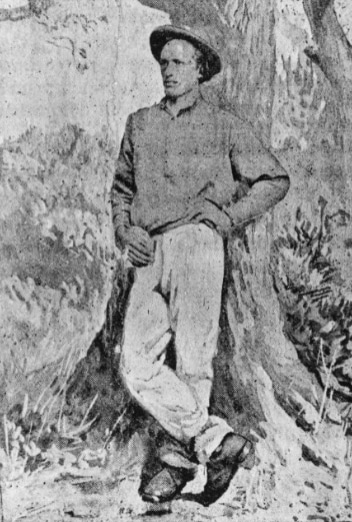
Bushranger James Macpherson, known as the Wild Scotchman, was found guilty at Maryborough of robbing the local mails and sentenced to two concurrent 25-year terms. The presiding judge made clear the sentence was deliberately severe, intended as a warning to deter other would-be bushrangers from following his example.
The punishment stood out for its length even by the standards of colonial Queensland justice, reflecting how seriously authorities viewed the ongoing threat of mail robbery to the colony’s roads and communications.
Portrait of bushranger James MacPherson 1866: The Wild Scotchman
Vito ‘Socko’ Gurino, a trigger man for the Brooklyn-based crime syndicate Murder Inc., was finally cornered on September 12, 1940, not in some underworld hideout but inside the Church of the Guardian Angel in Manhattan, where he had been hiding out from New Jersey. Detectives found him screaming hysterically, convinced his own associates were coming to silence him for good.
The fear was not unfounded. Gurino had spent weeks in fear of his life, aware that Murder Inc. dealt with liabilities by killing them before they could talk to police.
Once in custody, Gurino broke quickly, confessing to three murders carried out on the syndicate’s orders and implicating himself in four more killings, opening a window into the machine-like efficiency of contract killing that had terrorised the New York underworld for years.