Takahiro Shiraishi trawled Twitter for young people who had posted about wanting to die, then invited them to his apartment in the Japanese city of Zama with promises to help them end their lives, or to die together. Between August and October 2017, he murdered eight young women and one man, the latter killed because he threatened to expose the crimes.

When one of the women disappeared, her brother searched her Twitter messages and helped police trace her movements to Shiraishi. Investigators arrived at his apartment on 30 October 2017 and discovered human remains concealed in cooler boxes and storage containers. The remains belonged to nine victims, aged between fifteen and twenty-six, whose disappearances had gone largely unconnected until the discovery.

Shiraishi admitted all nine killings and acknowledged that his victims had not consented to their deaths, despite his lawyers arguing otherwise. Sentenced to death in December 2020, he withdrew an appeal lodged by his lawyers and was executed by hanging on 27 June 2025, Japan’s first execution in nearly three years.


Zama death pact slayings murder scene photo: released into the public domain.

⬅ See all events from 30 October

Spread the word on your favourite platform!

James “Whitey” Bulger ran Boston’s underworld for decades while secretly informing for the FBI, a betrayal that let his gang operate almost untouched. He vanished in 1994 after a tip-off from his own handler, spent sixteen years as a fugitive second only to Osama bin Laden on the FBI’s most wanted list, and was finally captured in California in 2011. Convicted in 2013 of racketeering and involvement in eleven murders, he was handed two life sentences.

Five years later, the 89 year old and wheelchair bound Bulger was abruptly transferred to a high security prison in West Virginia, his medical status quietly downgraded just weeks earlier. He arrived on 29 October 2018. Within hours, on this day in 2018, he was found beaten to death in his cell, attacked with a sock wrapped padlock and a shiv so savagely a law enforcement official called him unrecognisable.

Mafia hitman Fotios Geas was later identified as the man behind the killing and in 2024 was sentenced to 25 years for voluntary manslaughter. A relative of one of Bulger’s own victims summed up the reaction of many: “He died the way I hoped he always was going to die.”

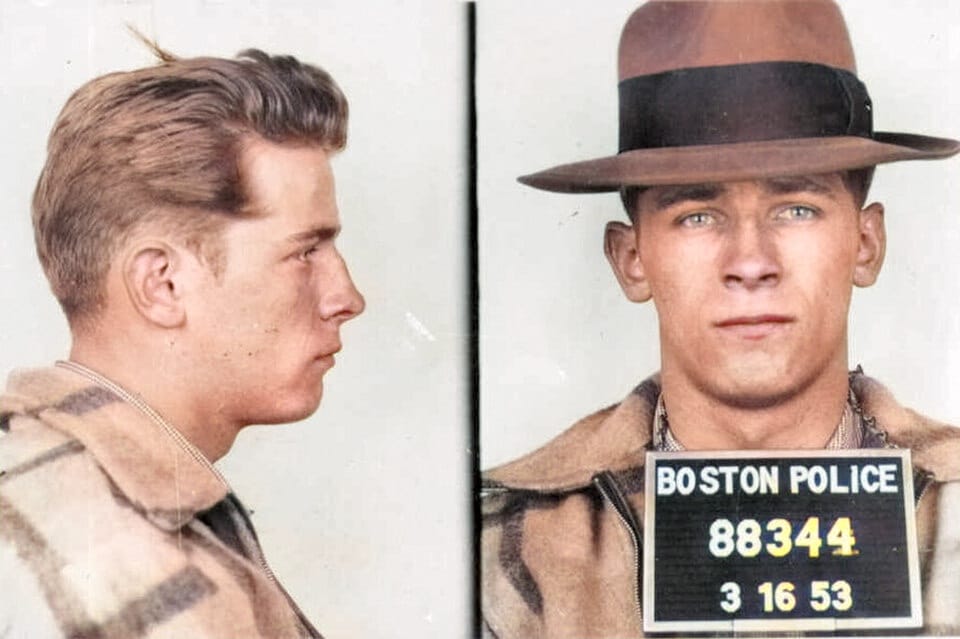
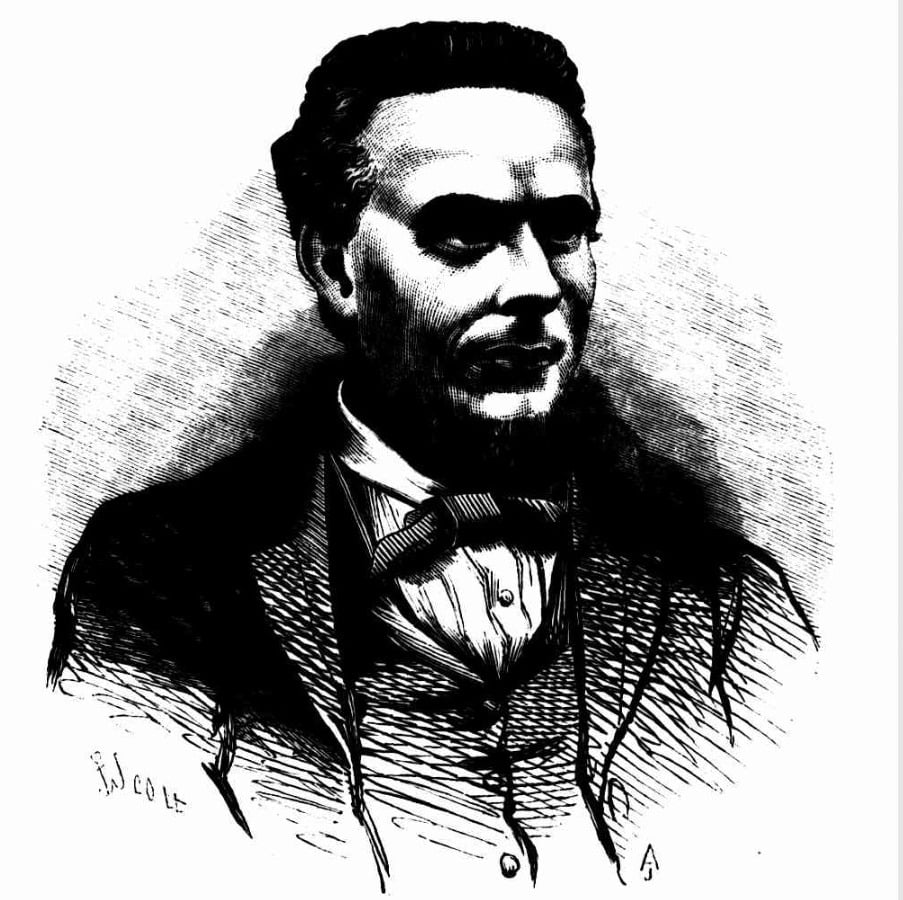
James Joseph Bulger Jr portrait photograph 1953

⬅ See all events from 30 October

Spread the word on your favourite platform!

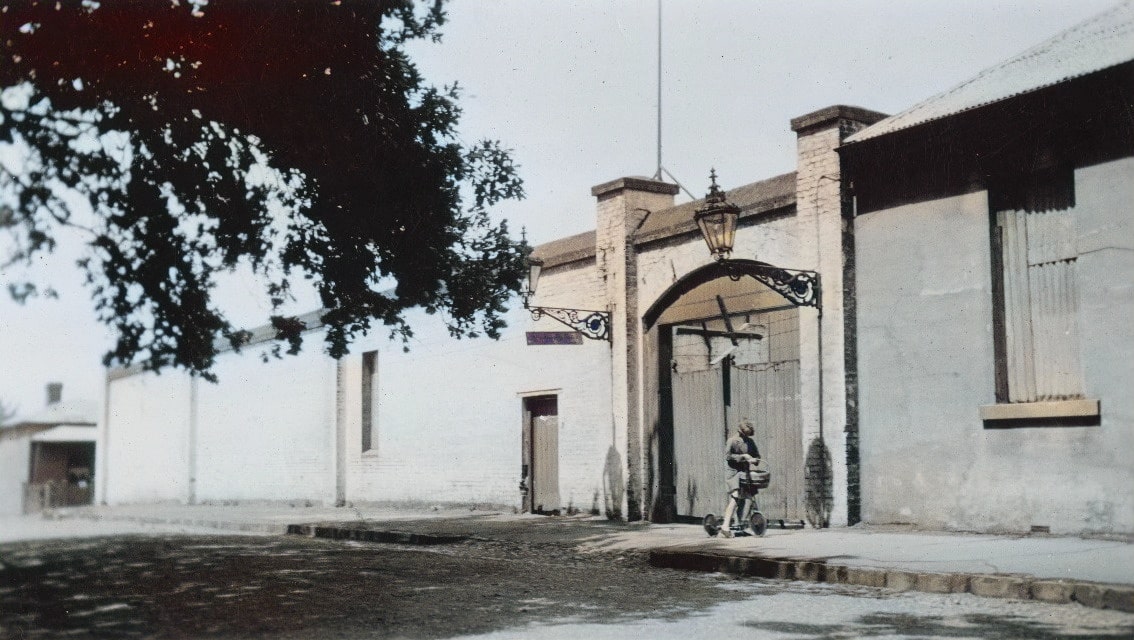
Just four days after three police officers were shot dead at Stringybark Creek, the Victorian government introduced the Felons Apprehension Bill on 30 October 1878, paving the way for extraordinary powers that would allow Ned Kelly and his gang to be declared outlaws.

Once Ned and his brother Dan were formally declared outlaws, they could legally be shot on sight by police or any member of the public, without first standing trial. The legislation also threatened severe penalties for anyone knowingly sheltering or assisting the fugitives.

The crackdown extended beyond the outlaws themselves. Police arrested suspected Kelly sympathisers, with around twenty men detained for months as authorities attempted to break the gang’s network of support. The heavy-handed campaign fuelled resentment among sections of the local population, strengthening sympathy for the very men the government was determined to capture.

Even after the gang robbed banks at Euroa and Jerilderie, prompting Victoria and New South Wales to offer a combined reward of £8,000 in February 1879, the outlaws remained at large. It took another sixteen months, and the bloody siege at Glenrowan in June 1880, before Ned Kelly, wearing his homemade iron armour, was finally captured.

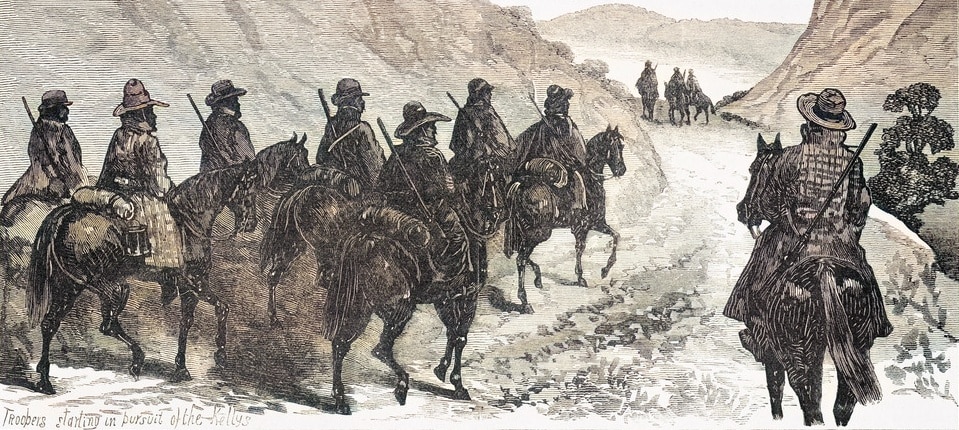
Troopers pursuing the Kelly Gang on horseback

⬅ See all events from 30 October

Spread the word on your favourite platform!

Ramon Novarro had been one of Hollywood’s biggest stars of the silent era, hailed as the screen’s first Latin American leading man after his role in Ben-Hur made him a household name. By 1968 his career had faded, but two brothers, Paul and Tom Ferguson, had heard a rumour that he kept a fortune hidden somewhere in his Laurel Canyon home. The younger of the two got Novarro’s phone number from a former guest, called offering sexual services, and the pair talked their way inside.

When Novarro could not produce the money, because none existed, the brothers beat him for hours trying to force him to reveal where it was hidden. He died on 30 October 1968, choking on his own blood after the prolonged assault; the men left with just $20 taken from his bathrobe pocket. Both were convicted and served only a few years before being paroled in the mid-1970s.

Paul Ferguson denied responsibility for decades, but in a 1998 interview he finally admitted to killing Novarro.

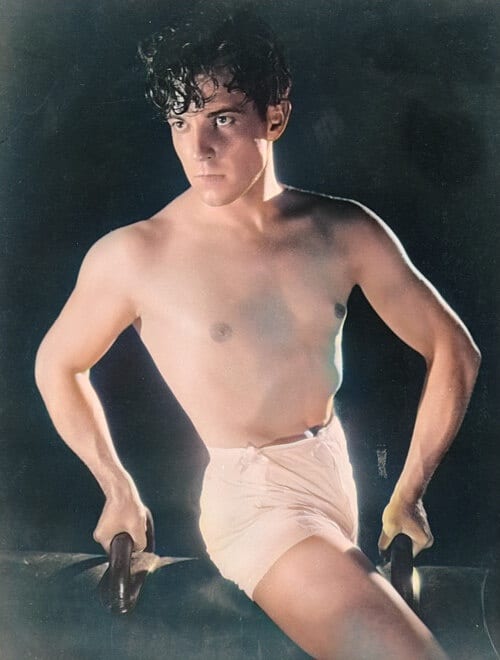
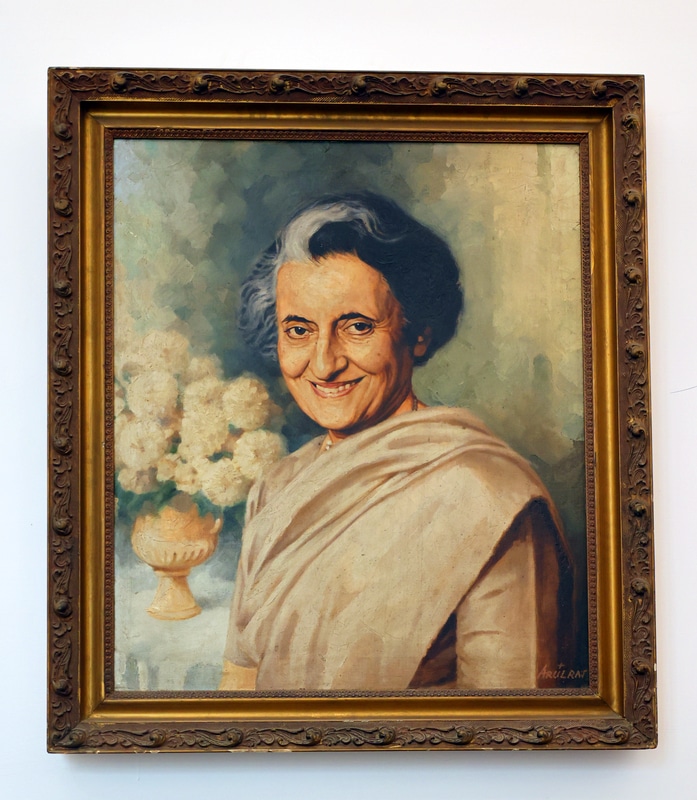
Portrait of Ramon Novarro in 1925

⬅ See all events from 30 October

Spread the word on your favourite platform!
On This Day in True Crime History

Subscribe to Dark Stories

True crime stories, dark history and tour news, straight to your inbox.