Annie Chapman was a heavy drinker who had turned to prostitution in London’s Whitechapel after her marriage collapsed and her daughter died, using the earnings to pay for drink and a bed for the night. On the night of her death she had no money for lodgings and went out to earn her rent; her body was found in the early hours in a backyard, her throat cut and her abdomen slashed open.

The killer had arranged her intestines over her shoulder and removed her uterus, taking it with him. An autopsy determined she had been sober at the time of her death, ruling out the drunkenness that had shaped so much of her life.

Her murder, following that of Mary Ann Nichols just over a week earlier, confirmed for police that a single killer, soon dubbed Jack the Ripper, was stalking the women of Whitechapel.
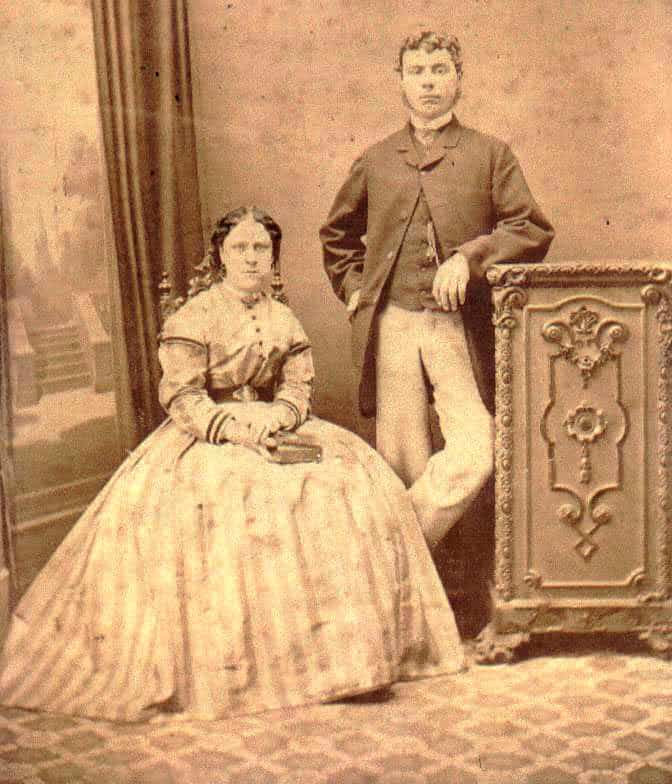

Portrait of Annie Chapman with her husband in 1869

⬅ See all events from 8 September

Spread the word on your favourite platform!

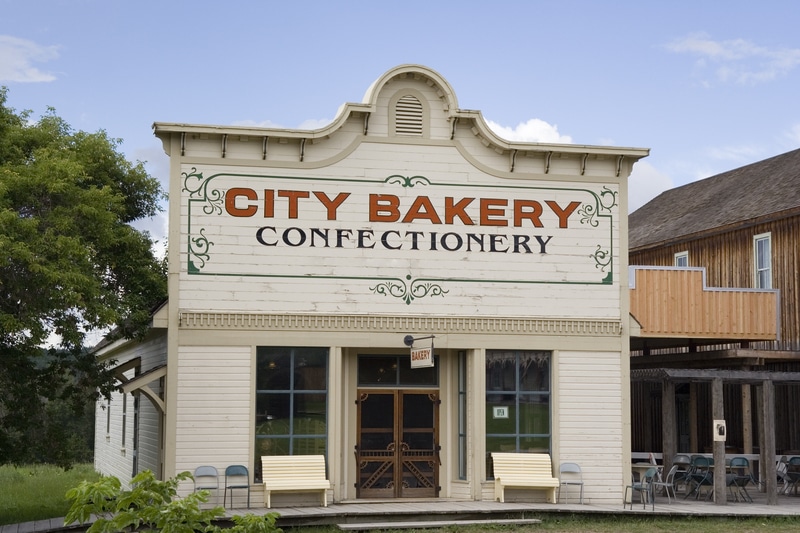
On the morning of 10 July 1904, Mrs Veitch, wife of baker A. C. T. Veitch, was found dead in the passage of the family’s bakery on O’Grady Street, Clifton Hill, a suburb of Melbourne. She still clutched a buggy whip in her hand, and a deep gash on one hand suggested she had fought desperately for her life. Whoever attacked her had locked the back doors, the front gate and the shop door beforehand, and had even tried to silence the family’s terrier tied up in the yard, evidence of careful planning rather than a chance intrusion.

The body was discovered by James Coleman Augustus Williams, an employee of the bakery who had been out on his delivery round. He raised the alarm after a boy came to buy bread and got no answer. Williams was soon charged with the murder, and at trial evidence pointed to a robbery gone wrong at the nearby office, though nothing suggested any personal grievance against the victim.

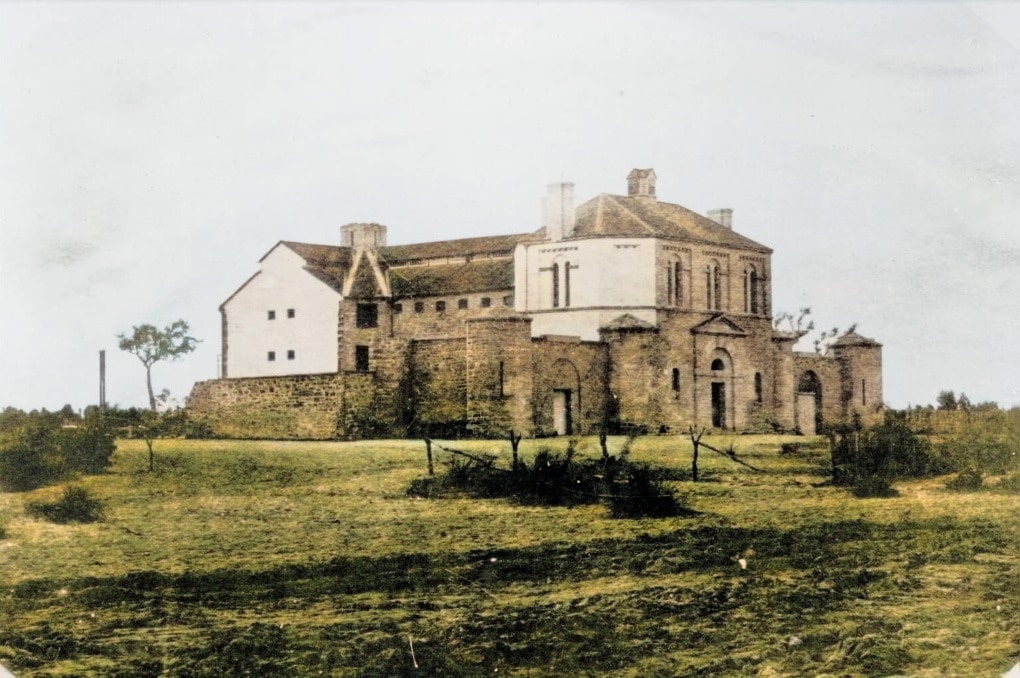
Williams was hanged at Melbourne Gaol on 8 September 1904.

The night before his execution, Williams wrote out a formal confession, insisting the killing was not for gain or lust but committed “in a fit of passion”, and that Mrs Veitch “was always kind and good to me”. He asked that the public not judge his family for what he had done and thanked the gaol’s governor and chaplains for their kindness to him in his final days.

Vintage bakery storefront on a sunny day

⬅ See all events from 8 September

Spread the word on your favourite platform!

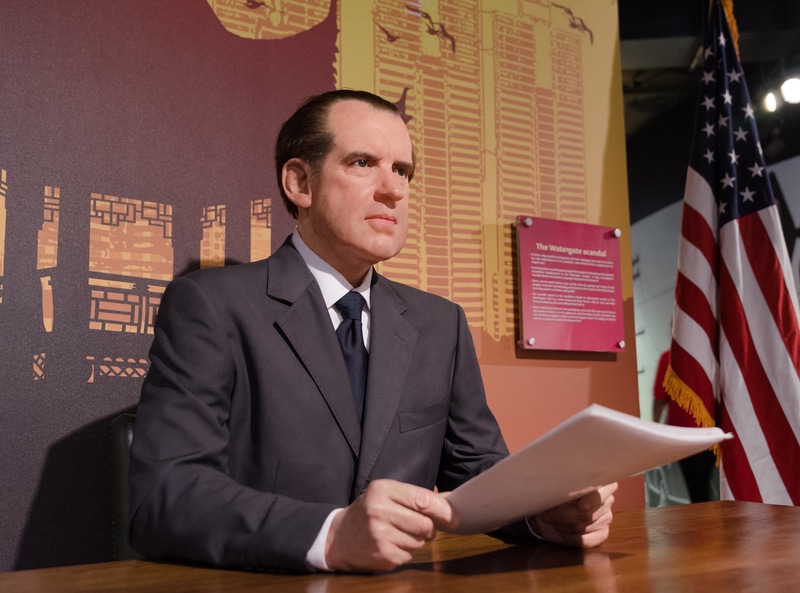
On September 8, 1974, President Gerald Ford granted former President Richard M. Nixon a full and unconditional pardon, covering any federal crimes he may have committed while in office during the Watergate scandal. The pardon came just a month after Nixon resigned the presidency on August 9, 1974, the first US president to do so, and it meant Nixon would never face criminal prosecution or trial over the affair.

Ford’s decision was hugely controversial, drawing accusations that a secret deal had been struck to spare Nixon accountability, and it is widely believed to have cost Ford the 1976 presidential election. No charges were ever brought against Nixon, and the pardon remains one of the most debated presidential acts in American history.

President Richard Nixon made of Wax. Wax figure Richard Nixon reading documents with american flag at desk | ID 59298060 © Lequint | Dreamstime.com
ID 59298060 © Lequint | Dreamstime.com

⬅ See all events from 8 September

Spread the word on your favourite platform!

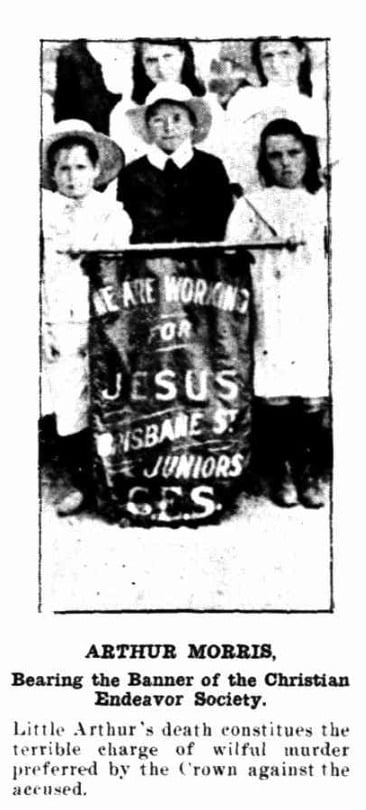
Supreme Court Justice Christopher Beale handed Erin Patterson three life sentences for murder and 25 years for attempted murder, setting a non-parole period of 33 years. That means Patterson, who poisoned relatives with a beef Wellington laced with death cap mushrooms, cannot be considered for release until 2056, when she would be 82 years old.

The judge described the crime as an ‘enormous betrayal’ marked by substantial premeditation, and noted that Patterson had shown no remorse for the deaths she caused.

Poisonous death cap mushrooms

⬅ See all events from 8 September

Spread the word on your favourite platform!
On This Day in True Crime History
1867·Hanged at Perth Gaol, His Final Words a Shout for the Irish Republic
1908·The Slowest Death: a Perth Stepmother's Acid Poisoning Spree Claims a Third Child
1923·Squizzy Taylor Walked Free While a Man Who Never Fired a Shot Hanged for a Melbourne Bank Murder
More Crime On This Day →

Subscribe to Dark Stories

True crime stories, dark history and tour news, straight to your inbox.