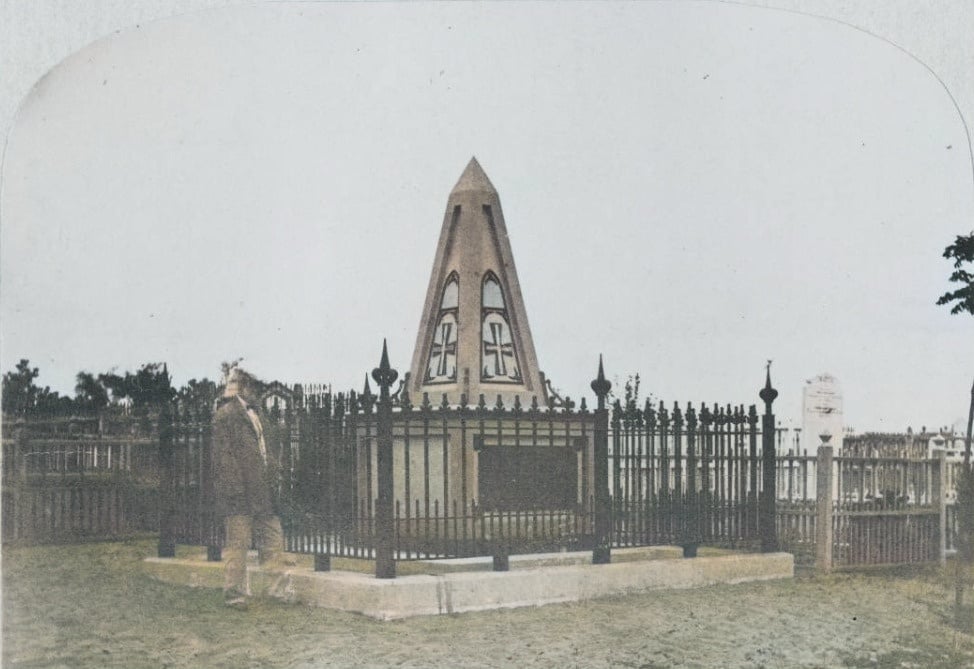
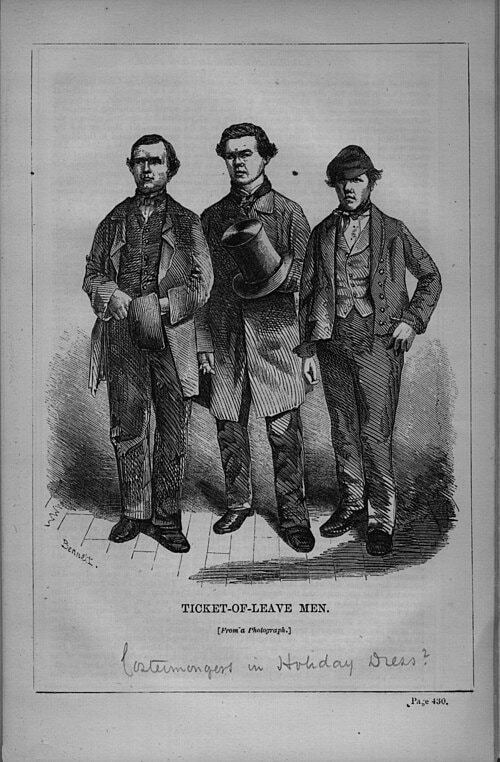
Eleven-year-old James Kirkpatrick was walking his dog behind Sussex Street in Sydney in September 1866 when he stumbled on a woman’s severed head half buried in a rubbish heap near Ebsworth’s tweed factory and Barker’s flour mills. Nearby lay her torso, its chest cavity completely emptied and the lower ribs charred. Despite police turning the rubbish heap over three times and combing the neighbourhood, no other body parts were ever recovered.

The case became known as the Sussex Street Mystery and gripped the colony as police pieced together the killing. It ended with the conviction and execution of a butcher, William Henry Scott, for the murder, making it one of colonial Australia’s most sensational and gruesome murder cases.
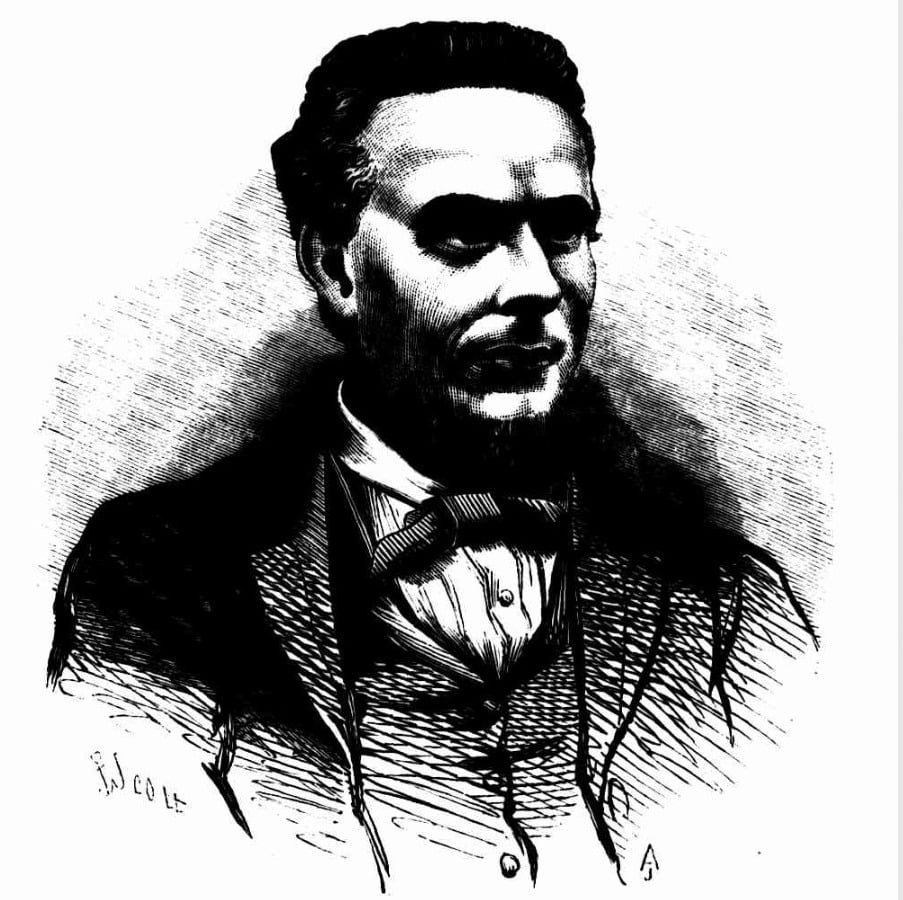

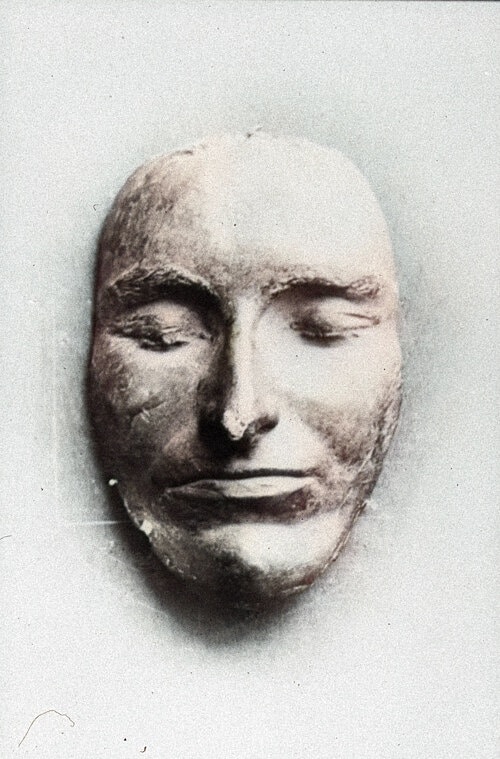
William Henry Scott under sentence of death 1867

⬅ See all events from 15 September

Spread the word on your favourite platform!

On 15 September 1826, seven convicts, George Brace, John McFarlane, James Edwards, Thomas Balfour, John Dadd, John Clark and Patrick Brown, were hanged together in Hobart, the second of three mass executions carried out that month under Chief Justice John Pedder.

Unlike the seven hanged just two days earlier for murder, not one of this group had killed anyone. Balfour, McFarlane and Edwards went to the gallows for absconding into the bush and robbing settler William Holdship; Brace was hanged for robbery, Dadd and Clark for burglary in Ross, and Brown for stealing sheep, a crime that under Britain’s Bloody Code carried the same legal weight as taking a human life.

The scale of the executions reflected both the severity of imported English law and Governor George Arthur’s determined push to impose discipline on the penal colony. Rather than hang prisoners as they were convicted, the Supreme Court held sentences over and carried them out in batches: seven men on 13 September, seven more on the 15th, and a further nine on the 18th, accounting for nearly half of the 53 executions recorded in Van Diemen’s Land that year.

1826 in the Hobart Colony

⬅ See all events from 15 September

Spread the word on your favourite platform!

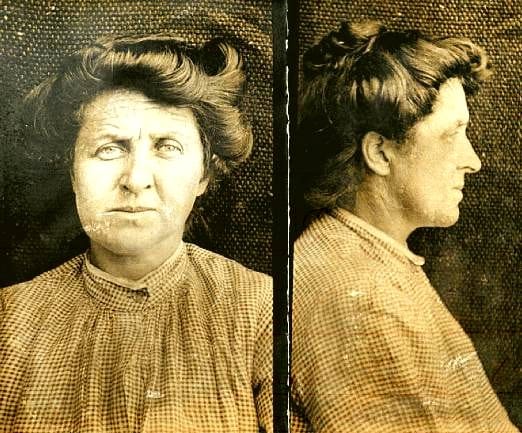
Martha Rendell, de facto wife of Thomas Nicholls Morris, was convicted in the Supreme Court of Western Australia at Perth of the wilful murder of her partner’s son, Arthur Joseph Morris, and sentenced to death by hanging. The court accepted that Thomas Morris had been unaware of what Rendell was doing until after the deaths of the children, and he was acquitted.

Acting Chief Justice Robert McMillan told the jury it was probably the most anxious case he had ever presided over, and voiced concern that newspaper coverage, might have prejudiced their judgement. Rendell maintained her innocence throughout, insisting she had only been treating the children for diphtheria.

Portrait of Martha Rendell

⬅ See all events from 14 September

Spread the word on your favourite platform!

Theodore Roosevelt was sworn in as the 26th President of the United States on September 14, 1901, hours after President William McKinley died from gunshot wounds inflicted eight days earlier by anarchist Leon Czolgosz at the Pan-American Exposition in Buffalo, New York.

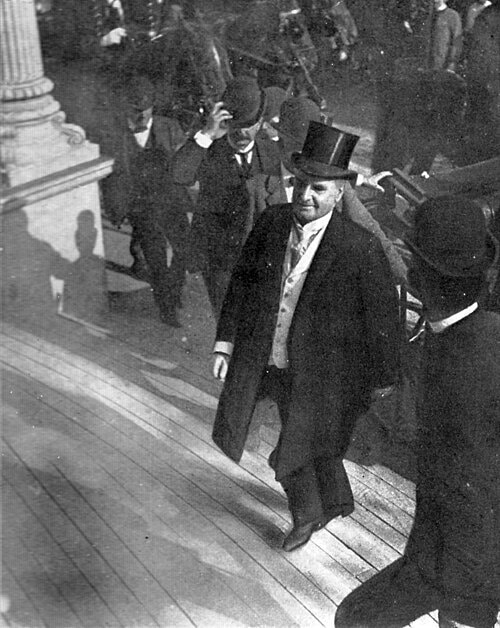
McKinley had been shaking hands with the public when Czolgosz approached with a concealed revolver wrapped in a handkerchief and fired twice at close range. Roosevelt, then just 42, became the youngest man to assume the presidency, taking the oath in a private Buffalo residence rather than the traditional halls of power in Washington.

McKinley last photo
McKinley last photo

⬅ See all events from 14 September

Spread the word on your favourite platform!
On This Day in True Crime History

Subscribe to Dark Stories

True crime stories, dark history and tour news, straight to your inbox.