On 12 October 2002, a suicide bomber walked into Paddy’s Pub in Bali’s Kuta district and detonated an explosive vest on the crowded dance floor. Twenty seconds later, as survivors fled into the street to see what had happened, a second bomb hidden in a van outside the Sari Club tore through the crowd gathered there, killing many who had just escaped the first blast. The attack claimed 202 lives, including 88 Australians, the deadliest act of terrorism in Indonesia’s history. Three men were convicted of orchestrating the bombings and sentenced to death. They were executed by firing squad on Nusakambangan island in November 2008. In their final moments, the three men showed no remorse, shouting loudly, rather than any word of apology.


Kuta carnival 2010. Paddle for peace. Bali. Annual Kuta beach carnival celebration. Initially organized as a response to the Bali terrorist attack of October 2002, the event has now become a regular fixture on Bali's busy calendar of yearly events. October 2010. Among majority of events - every year all surfers padles to the mid of the ocean to make the circle, unite the hands, put flowers into the water and pray for victims of terrorist attack. The name of this part is Paddle for piece | ID 16538257 © Evgeniya Bolyukh | Dreamstime.com
ID 16538257 © Evgeniya Bolyukh | Dreamstime.com

⬅ See all events from 12 October

Spread the word on your favourite platform!

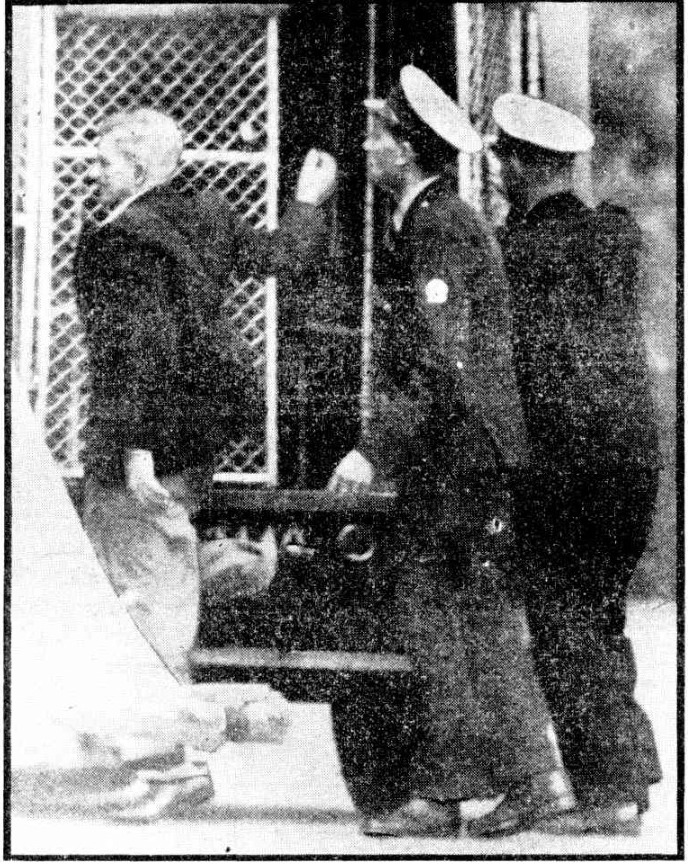
On 12 October 1950, at Collie, near Perth, milk carter Raymond Armanasco murdered several members of his family. His own defence counsel told the jury it was possibly the most gruesome case ever unfolded in a Western Australian court, and argued Armanasco had been temporarily insane.

Through two days of evidence at his trial, Armanasco spoke only two words: “not guilty.” The jury took just forty minutes to convict him of murder, but attached to its verdict the “strongest recommendation for mercy.” He was sentenced to hang, yet in April 1951 the Executive Council accepted that plea and commuted his death sentence to life imprisonment with hard labour.

Raymond Armanasco arrives at court Perth 1950

⬅ See all events from 12 October

Spread the word on your favourite platform!

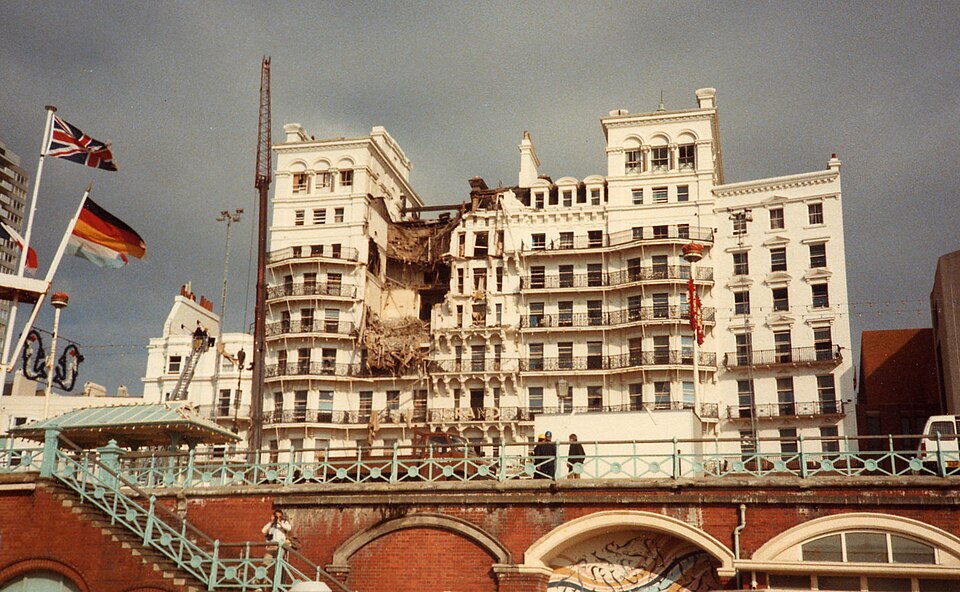
The Grand Hotel in Brighton was packed with Britain’s Conservative leadership for their annual conference when a long-delay bomb, planted by the Provisional IRA weeks earlier in a guest room, tore through the building in the early hours. Margaret Thatcher was still awake working on her conference speech in the room next door and escaped with only cuts, but five people died in the rubble and 31 more were injured, some permanently maimed.

The bomber, Patrick Magee, had checked into the hotel under a false name and set the timer so far in advance that he was long gone before it detonated. The IRA’s chilling statement afterward noted that Thatcher had been lucky that day, but they would only need to be lucky once. Magee was later caught through forensic evidence left on the bomb casing and convicted for the attack.

Grand Hotel, Brighton, after the bombing, 1984. Photo: D4444n / Wikimedia Commons, CC BY-SA 3.0 (creativecommons.org/licenses/by-sa/3.0/).

⬅ See all events from 12 October

Spread the word on your favourite platform!

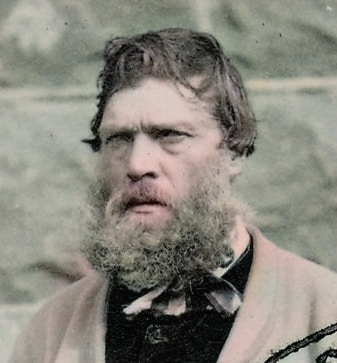
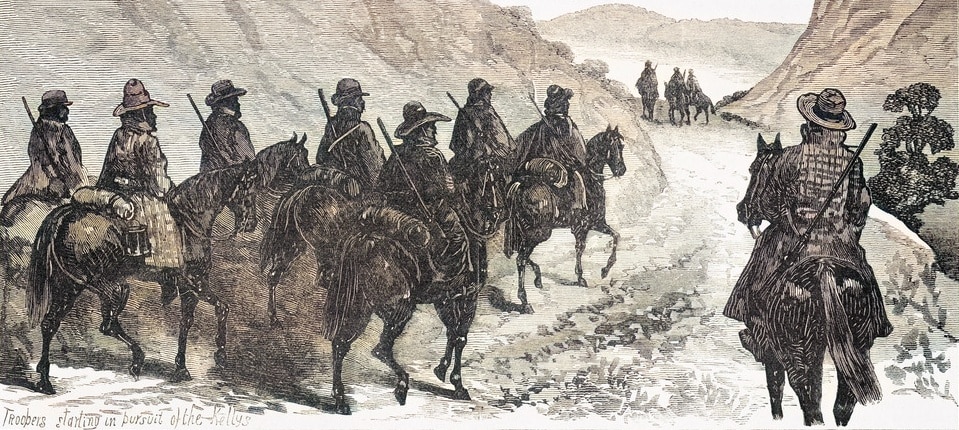
Harry Power was already a seasoned escaper and highway robber when, in 1869, he took on a teenage recruit: Ned Kelly, son of a sympathetic Irish family who sheltered him in the Ovens district. For a few months the pair stuck up coaches and squatters together, Power later boasting of hundreds of robberies, until Kelly broke away and Power carried on alone, eventually suspecting his young protege of helping police track him down.

Captured in 1870 after being betrayed by a relative of the Kelly family, Power served another fifteen years at Pentridge before his release in 1885. He spent his last years as a guide aboard the old prison hulk Success, now a museum ship, before drowning in the Murray River near Swan Hill in October 1891, his body found days later at Tyntynder. One newspaper suggested suicide, but the drowning of a man who had survived two prison escapes and a life of robbery without ever killing anyone was most likely a simple accident.

Bushranger Harry Power 1870s

⬅ See all events from 11 October

Spread the word on your favourite platform!
On This Day in True Crime History

Subscribe to Dark Stories

True crime stories, dark history and tour news, straight to your inbox.