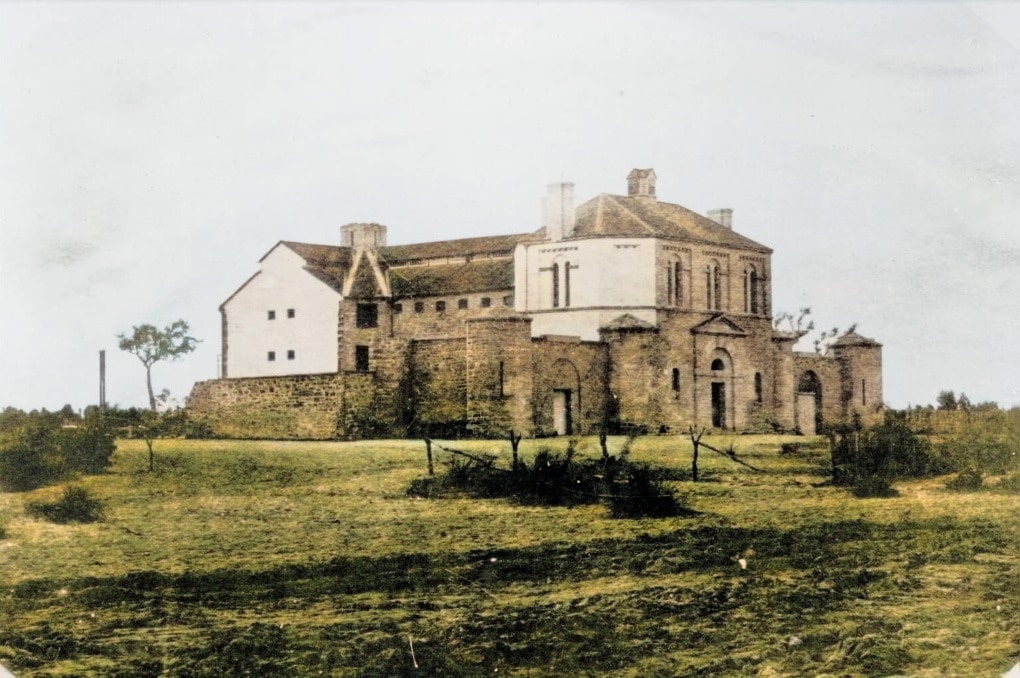
On 15 September 1826, seven convicts, George Brace, John McFarlane, James Edwards, Thomas Balfour, John Dadd, John Clark and Patrick Brown, were hanged together in Hobart, the second of three mass executions carried out that month under Chief Justice John Pedder.

Unlike the seven hanged just two days earlier for murder, not one of this group had killed anyone. Balfour, McFarlane and Edwards went to the gallows for absconding into the bush and robbing settler William Holdship; Brace was hanged for robbery, Dadd and Clark for burglary in Ross, and Brown for stealing sheep, a crime that under Britain’s Bloody Code carried the same legal weight as taking a human life.

The scale of the executions reflected both the severity of imported English law and Governor George Arthur’s determined push to impose discipline on the penal colony. Rather than hang prisoners as they were convicted, the Supreme Court held sentences over and carried them out in batches: seven men on 13 September, seven more on the 15th, and a further nine on the 18th, accounting for nearly half of the 53 executions recorded in Van Diemen’s Land that year.

1826 in the Hobart Colony

⬅ See all events from 15 September

Spread the word on your favourite platform!

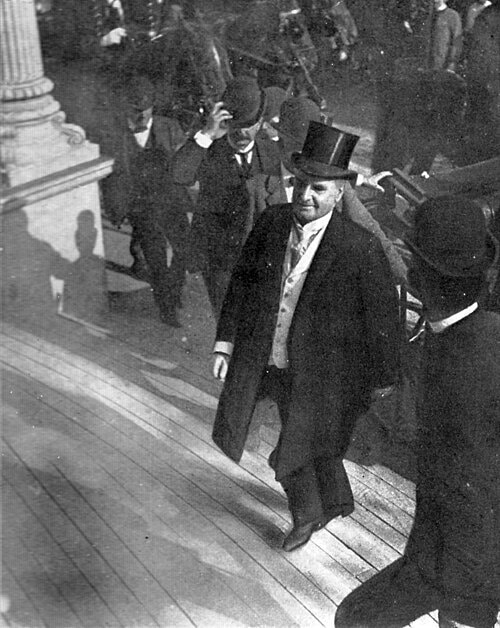
Theodore Roosevelt was sworn in as the 26th President of the United States on September 14, 1901, hours after President William McKinley died from gunshot wounds inflicted eight days earlier by anarchist Leon Czolgosz at the Pan-American Exposition in Buffalo, New York.

McKinley had been shaking hands with the public when Czolgosz approached with a concealed revolver wrapped in a handkerchief and fired twice at close range. Roosevelt, then just 42, became the youngest man to assume the presidency, taking the oath in a private Buffalo residence rather than the traditional halls of power in Washington.

McKinley last photo
McKinley last photo

⬅ See all events from 14 September

Spread the word on your favourite platform!

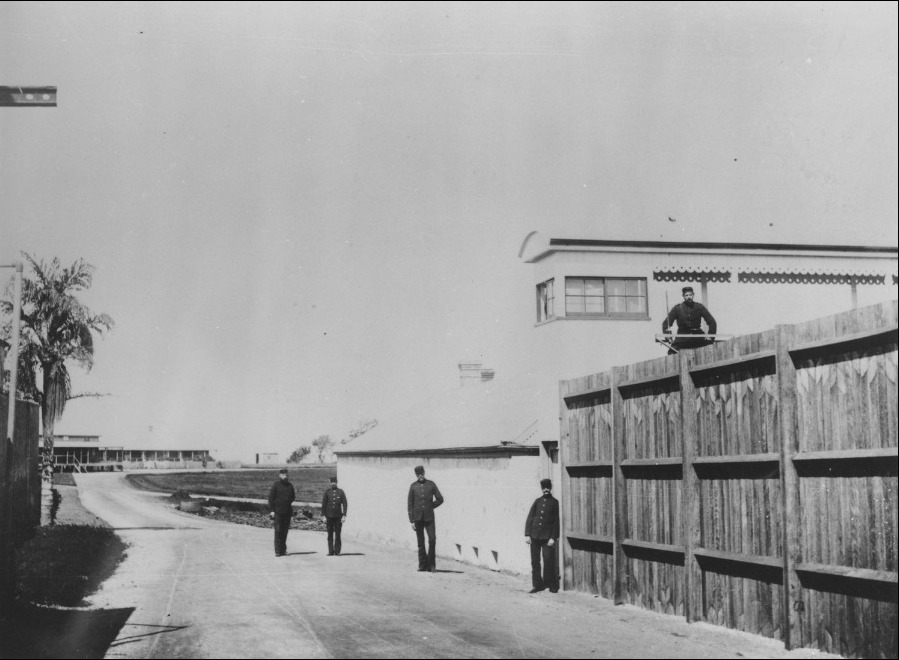
Bushranger James Macpherson, known as the Wild Scotchman, entered the St Helena Island penal settlement in Moreton Bay, Queensland, on 14 September 1866 to begin serving a 25 year sentence for mail robbery.

He did not serve his time quietly. On 11 April 1870, Macpherson took part in a mass escape attempt, breaking free of the stockade with six other prisoners and hiding in the scrub around the island. He was shot in the wrist during his recapture and returned to custody.

Despite the harsh sentence and the failed breakout, Macpherson was eventually released by executive clemency in 1874.

Prison guards on St. Helena, ca. 1893. State Library of Queensland, negative number 60065.

⬅ See all events from 14 September

Spread the word on your favourite platform!

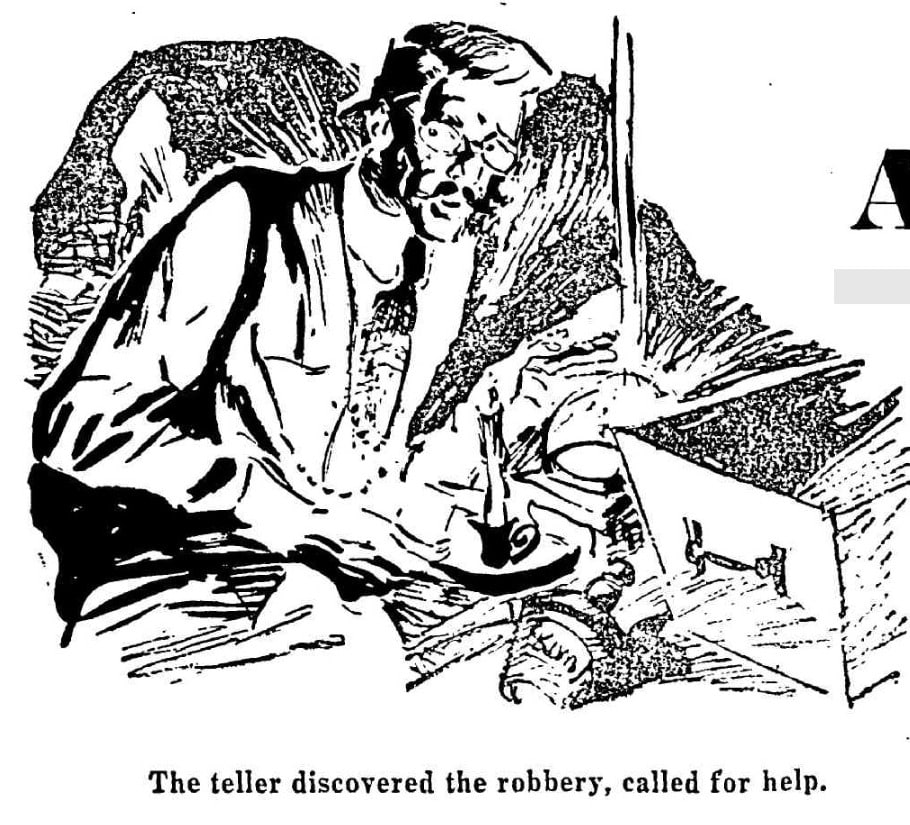
On the night of 14 September 1828, thieves broke into the Bank of Australia in Sydney. A teller arriving the next morning found the strongroom breached.

Thieves had tunnelled through a drain on the opposite side of the street, burrowed underground, and cut through a foundation wall between five and nine feet thick, work that would have taken at least three to four weeks to complete. They made off with 12,000 to 14,000 pounds in cash and property, a sum worth a small fortune today.

For two and a half years the robbers evaded capture, even as some of the stolen notes began surfacing in circulation and officials issued repeated warnings against using them. The case only broke when one of the gang was sentenced to 14 years on Norfolk Island for an unrelated highway robbery in 1829. Nearly a year into that sentence, he accepted the Governor’s offer of a pardon and confessed, naming his accomplices: one of whom had fled to Ireland, another who had since died, and three more who joined him on Norfolk Island.

Not all the stolen money was recovered. Rumour has long held that boxes of coins from the robbery remain buried near the water’s edge on Sydney’s North Shore.

Discovering the robbery.

⬅ See all events from 14 September

Spread the word on your favourite platform!
On This Day in True Crime History
1867·Hanged at Perth Gaol, His Final Words a Shout for the Irish Republic
1908·The Slowest Death: a Perth Stepmother's Acid Poisoning Spree Claims a Third Child
1923·Squizzy Taylor Walked Free While a Man Who Never Fired a Shot Hanged for a Melbourne Bank Murder
More Crime On This Day →

Subscribe to Dark Stories

True crime stories, dark history and tour news, straight to your inbox.