Archives: Dark Stories: On This Day In True Crime History - Page 27
1846: Explorer John Horrocks Shot Dead by His Own Camel in South Australia
On 1 September 1846, explorer John Horrocks was shot near Lake Dutton in the far north-west of South Australia. While reloading his shotgun during the expedition, a kneeling camel named Harry shifted its packload and tripped the weapon’s trigger.
Harry, the camel responsible for the accident and reputedly the first camel to arrive in Australia, was shot dead on Horrocks’s own orders before he died of his wounds on 23 September.
1963: The Trap That Caught Serial Killer Eric Edgar Cooke
In August 1963, Perth police discovered a rifle hidden in bushes, linked to the murder of Shirley McLeod. Rather than remove it, they set a trap: replacing the weapon with an inoperable replica tied with fishing line, then waited.
On 1 September 1963, Eric Edgar Cooke returned to retrieve the rifle and was arrested on the spot. Under questioning, he confessed to 22 violent crimes, including eight murders, making him one of the deadliest serial killers in Australian history.
1934: The Pyjama Girl: A Body in a Culvert and a Mystery That Lasted Decades
On 1 September 1934, the body of a woman with a bullet through the neck was found in a culvert beneath near Albury, New South Wales.
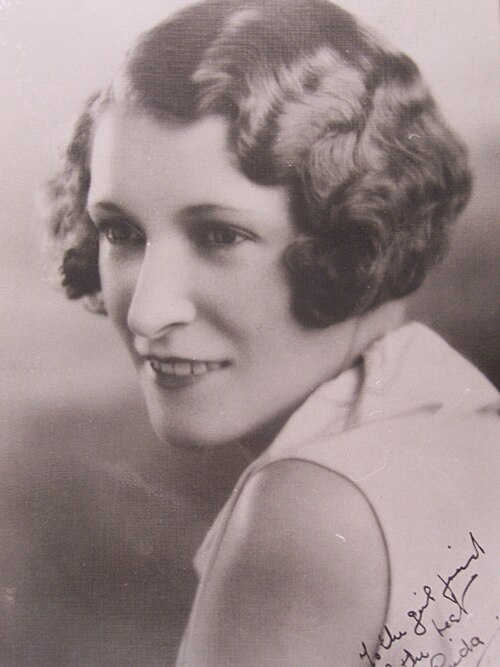
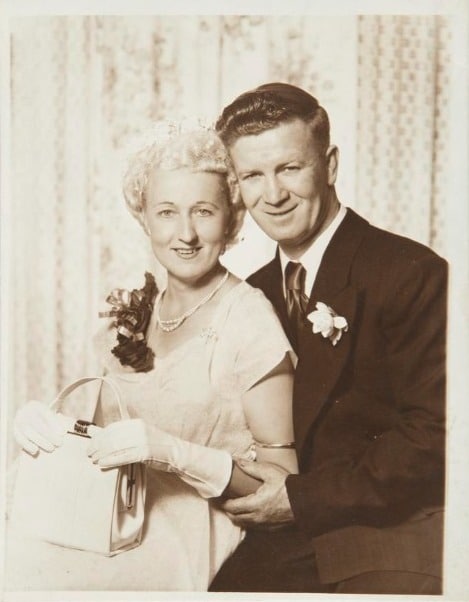
Dressed in silk pyjamas, she remained unidentified for a decade, preserved in formalin and viewed by thousands before police named her as Florence Linda Agostini, an English-born woman who had lived on Darlinghurst Road in Kings Cross and later moved to Melbourne with her husband Tony Agostini.
Tony Agostini confessed to killing Linda and was convicted of manslaughter, sentenced to six years. He served just over three years before being deported to Italy.
Photograph of Linda Agostini(Linda Platt) – Pyjama Girl Mystery
1888: Jack the Ripper Claims His First Victim in Whitechapel
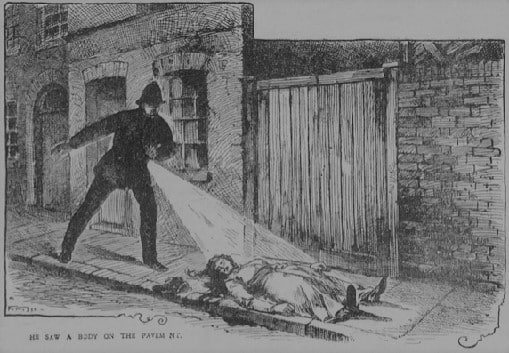
Mary Ann Nichols, known as Polly, was 43 years old, a divorced mother of five, and homeless on the night she died. In the early hours of 31 August 1888, she went to the streets of Whitechapel, London, to earn money for a bed. Her body was found before 4 a.m., her throat slashed with a long-bladed knife and her abdomen deeply cut. There were no witnesses.
Nichols became the first of at least five women murdered in and around Whitechapel between late August and early November 1888 by the killer who would become known as Jack the Ripper. Her death ignited intense press and public interest in both the murders and the desperate living conditions of London’s East End.
Despite countless theories, the killer Jack The Ripper, has never been identified.
Illustration of PC Neil discovering the body of Mary Ann Nichols with his lantern. Unknown artist, 1888. Published in Famous Crimes Past and Present, c.1903. Public domain.