1794: The Fall of Robespierre: The Architect of the Terror Meets the Guillotine

Maximilien Robespierre, the lawyer turned revolutionary who came to embody the ruthless machinery of the French Revolution, was executed by guillotine in Paris on 28 July 1794. As the dominant force on the Committee of Public Safety, he had overseen the Reign of Terror, a period in which thousands were sent to the blade in the name of republican virtue. His own arrest, the day before, had come swiftly after the National Convention turned against him.

The man who had signed so many death warrants met the same end he had prescribed for others. Wounded during his arrest, reportedly from a gunshot to the jaw, he was carried to the scaffold in agony. His execution marked the end of the Terror and the beginning of the Thermidorian Reaction, a conservative turn that dismantled much of what he had built.

Arrest of Robespierre during revolutionary unrest

⬅ See all events from 28 July

Spread the word on your favourite platform!

1791: James Chapman Hanged in Sydney for Burglary One Day After Sentencing

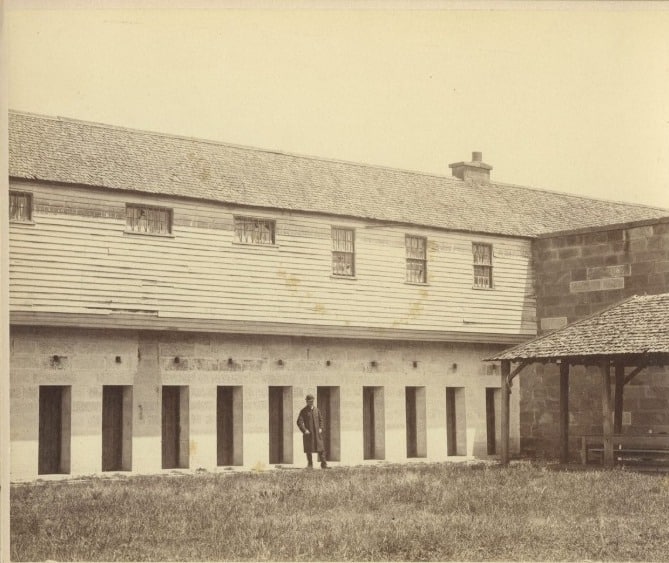
James Chapman arrived in New South Wales in June 1790 aboard a Second Fleet vessel, already a convicted burglar who had stolen fowls from a Hampshire farm in 1787 and been reprieved from death in exchange for transportation for life. Working as a labourer at Parramatta, he lasted barely a year before again crossing into crime, breaking and entering the home of John Petrie in July 1791 and stealing clothing and other goods, with additional charges relating to property belonging to John Medcalf.

Chapman pleaded guilty before the Court of Criminal Jurisdiction on 19 July 1791 and was sentenced to death. He was hanged in Sydney the following day, aged around 29. A man named Joseph Hatton, charged with receiving the stolen goods, was sentenced to 500 or 800 lashes.

James Chapman Hanged in <a href='https://darkstories.com.au/sydneytruecrimetour/' target='_blank' rel='noopener noreferrer'>Sydney</a> for Burglary One Day After Sentencing” style=”max-width:50%; height:auto; display:block; margin:16px auto;”/></p>
<p style=⬅ See all events from 28 July

Spread the word on your favourite platform!

1721: Matthew Clark Hanged at 24 for the Murder of a Maid Near Willesden Green

Matthew Clark, a footpad from St. Albans, murdered Sarah Goldington, a maid at an alehouse near Willesden Green, stabbing her in the throat and cutting her neck to the bone before robbing the premises. He was 24 years old. Pursuers caught him shortly after when they noticed blood on his shirt sleeve, and he confessed before standing trial at the Old Bailey.

Clark was executed on 28 July 1721. His capture came swiftly, his guilt established by blood on his sleeve and his own words against him.

Matthew Clark_featured

⬅ See all events from 28 July

Spread the word on your favourite platform!

1540: Thomas Cromwell Beheaded on Tower Hill for Treason Against Henry VIII

Thomas Cromwell, chief minister to King Henry VIII and chief architect of the English Reformation, was executed on Tower Hill on 28 July 1540. Born around 1485 in Putney, Surrey, he had risen from humble origins to become the most powerful man in England after the king, reshaping both church and government. His downfall came after he arranged the king’s disastrous marriage to Anne of Cleves, a union annulled within six months. Arraigned under an act of attainder for treason and heresy, he was beheaded without trial.

On the same day Cromwell lost his head, Henry VIII married his fifth wife, Catherine Howard. Henry later expressed deep regret at the execution of his chief minister, widely regarded as one of the most consequential acts of his reign.

Portrait of Thomas Cromwell Tudor statesman

⬅ See all events from 28 July

Spread the word on your favourite platform!
On This Day in True Crime History

Subscribe to Dark Stories

True crime stories, dark history and tour news, straight to your inbox.