1825: Three Men Hanged at Hobart for Bushranging and Robbery

On an evening in July 1825, a gang of armed bushrangers descended on the home of Samuel Haywood in the Macquarie district of Van Diemen’s Land. One of the men posed as a letter carrier, tricking Mrs Haywood into opening the door before the others rushed inside. When Haywood moved for his gun, a pistol was fired at him during the confrontation.

The gang ransacked the house and escaped with an immense quantity of property, including clothing. They were later traced to a house near the Hobart Penitentiary, where their brazenness helped betray them: several were still wearing clothes stolen from Haywood and were immediately recognised by their victim.

At the Supreme Court, John Everist, Joseph Broadhead, Charles Bradbury and William Buckley were tried for the robbery. The Attorney-General remarked that almost every crime short of murder had been committed during the raid.

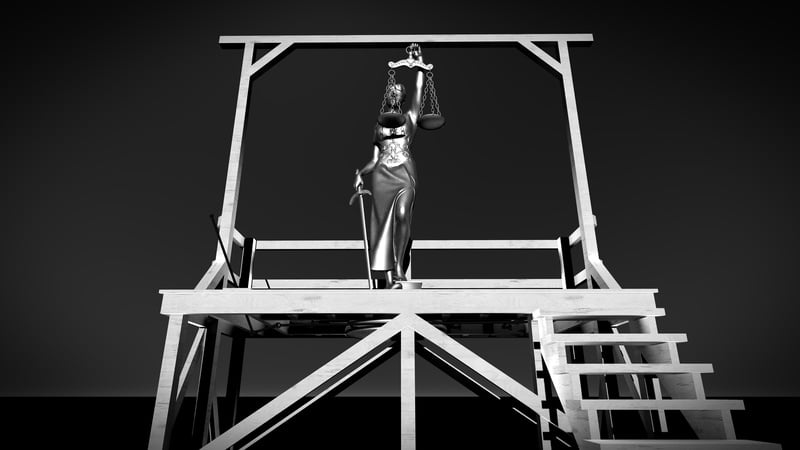
Everist, Broadhead and Buckley were convicted and hanged at Hobart on 31 August 1825.
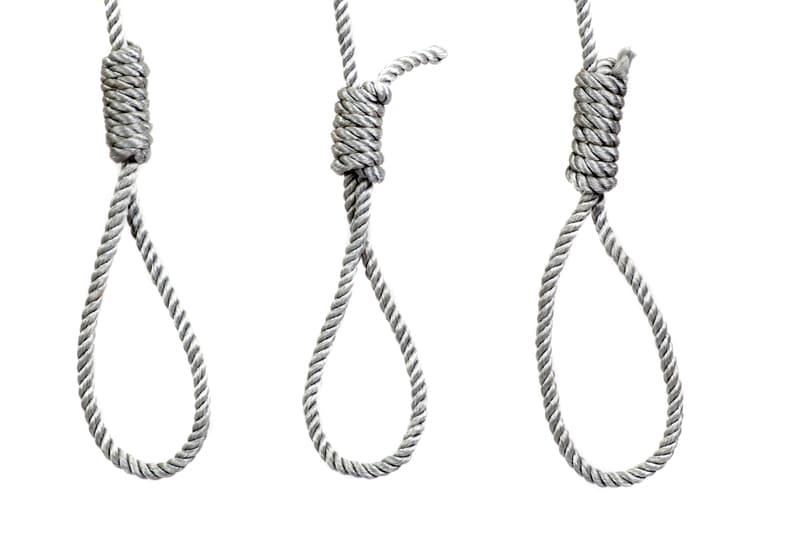
Three hanging noose ropes isolated on a white background

⬅ See all events from 31 August

Spread the word on your favourite platform!
True Crime Scene Tape

1888: Jack the Ripper Claims His First Victim in Whitechapel

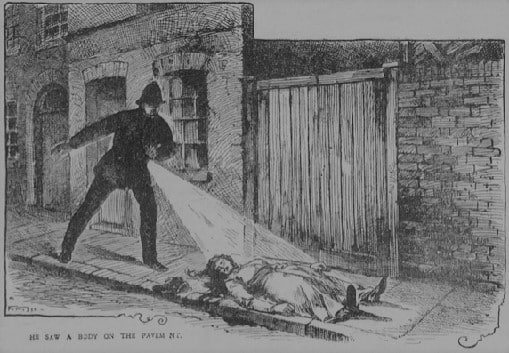
Mary Ann Nichols, known as Polly, was 43 years old, a divorced mother of five, and homeless on the night she died. In the early hours of 31 August 1888, she went to the streets of Whitechapel, London, to earn money for a bed. Her body was found before 4 a.m., her throat slashed with a long-bladed knife and her abdomen deeply cut. There were no witnesses.

Nichols became the first of at least five women murdered in and around Whitechapel between late August and early November 1888 by the killer who would become known as Jack the Ripper. Her death ignited intense press and public interest in both the murders and the desperate living conditions of London’s East End.

Despite countless theories, the killer Jack The Ripper, has never been identified.

Illustration of PC Neil discovering the body of Mary Ann Nichols with his lantern. Unknown artist, 1888. Published in Famous Crimes Past and Present, c.1903. Public domain.

⬅ See all events from 31 August

Spread the word on your favourite platform!
True Crime Scene Tape

1997: Princess Diana Killed in Paris Tunnel Crash

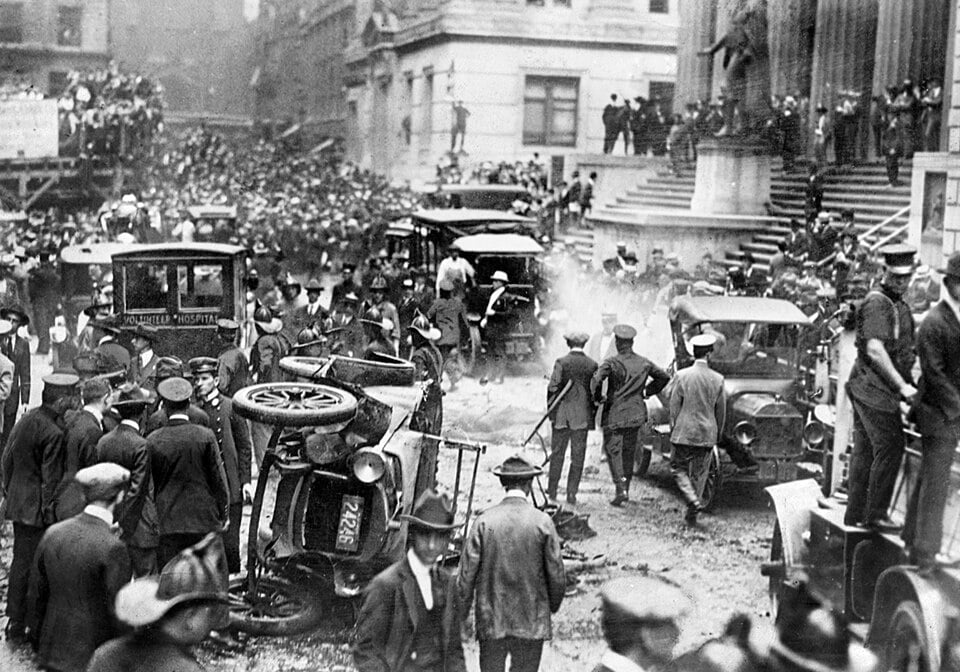
In the early hours of 31 August 1997, Diana, Princess of Wales, died after a high-speed car crash in the Pont de l’Alma tunnel beside the River Seine in Paris. The Mercedes carrying her struck a concrete pillar while being pursued by press photographers. Diana was 36. Dodi Fayed and driver Henri Paul were also killed; bodyguard Trevor Rees-Jones was the sole survivor.

French investigators concluded that Paul had been driving at excessive speed while affected by alcohol and prescription drugs. The crash nevertheless became the subject of numerous conspiracy theories, including claims that Diana and Dodi were deliberately killed, that British intelligence or members of the Royal Family were involved, and that the collision had been engineered to prevent an alleged marriage or pregnancy.

These allegations were examined in detail by Britain’s Operation Paget investigation, which found no evidence of a conspiracy to murder Diana. A subsequent British inquest, concluded in 2008, returned a verdict of unlawful killing caused by the grossly negligent driving of Henri Paul and the pursuing paparazzi.

Princess Diana smile, circa 1997. vintage post stamp,. LIBERIA - CIRCA 1997: canceled stamp printed in Liberia dedicated to the memory of princess Diana, circa 1997. vintage post stamp isolated on black background. princess Diana with silver crown | ID 98306680 © Fmua | Dreamstime.com
ID 98306680 © Fmua | Dreamstime.com

⬅ See all events from 31 August

Spread the word on your favourite platform!
True Crime Scene Tape

2022: Chris Dawson Found Guilty of Murdering Wife Lynette

After five hours of delivering his reasons in a judge-alone trial, Justice Ian Harrison found former rugby league footballer Chris Dawson guilty of murdering his wife, Lynette Dawson, who vanished from their Bayview home near Sydney on or about 8 January 1982. Lynette had been planning to meet her mother the following day; she never arrived. Chris did not report her missing for six weeks, and two days after her disappearance, a teenage student he had groomed moved permanently into the family home.

Two coronial inquests had already concluded Lynette was murdered, but prosecution was twice refused due to insufficient evidence. A podcast revival of the case and sustained public pressure finally brought Dawson to trial. Justice Harrison rejected all alleged sightings of Lynette as wholly unreliable and found a compelling body of evidence that she had not abandoned her family. Dawson was sentenced to 24 years in prison, with a non-parole period of 18 years.

Found Guilty
Found Guilty

⬅ See all events from 30 August

Spread the word on your favourite platform!
True Crime Scene Tape
On This Day in True Crime History

Subscribe to Dark Stories

True crime stories, dark history and tour news, straight to your inbox.