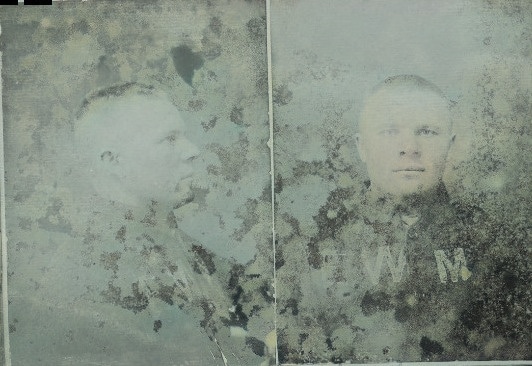
Richard Copping was jealous that his sweetheart, Susannah Stacey, had grown tired of him. On 12 May 1878 he followed her into her parents’ home near Sorell, in Tasmania’s south, and split her skull with an axe as she tried to shut a door against him. When her father ran out and accused him, Copping only clapped his hands and said, “Yes, I know I have,” before declaring, “She deceived me, and I’ll be hung for her like a man.”

He then tried to shoot himself, loading a gun with nails after finding no shot, and botched even that, surviving with a shattered jaw. His lawyer argued he was suffering from a diseased brain, but the jury convicted him, and he was hanged at Hobart’s Campbell Street Gaol on 20 October 1878, sobbing and unnerved on the gallows.

Copping never denied the killing, having confessed within minutes of the attack, and he reportedly left written confessions in the sheriff’s keeping before he died.
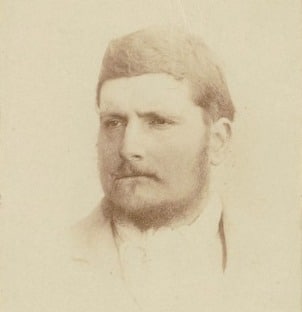

Portrait of prisoner Richard Copping Hobart Gaol 1878

⬅ See all events from 20 October

Spread the word on your favourite platform!

Gerardo Mannella, 31, tried to run when two gunmen came for him outside his brother’s home in Melbourne, but they caught him in the street and shot him dead on this day in 1999.

The ambush was no isolated act. His brother Vince Mannella had already been murdered, and police believed the same killers were also responsible for shooting Dimitrios Belias, part of the string of tit for tat killings that became known as Melbourne’s gangland war.

No one has ever been convicted over Gerardo’s death, and it remains one of the unsolved murders from that bloody era.

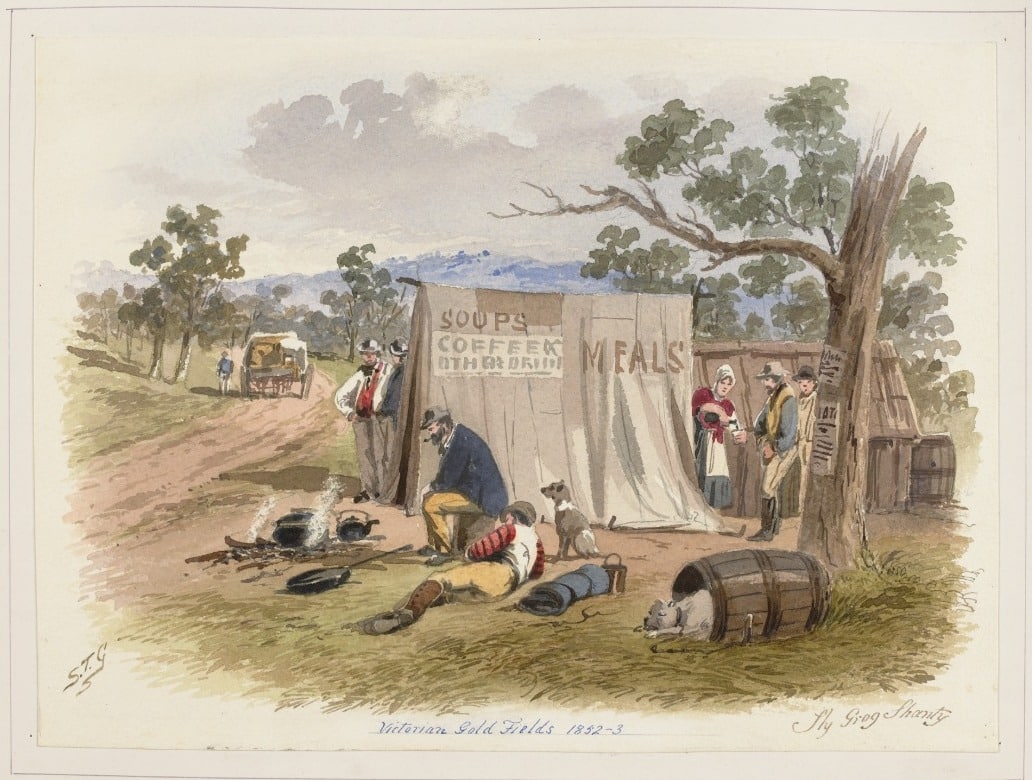
Gangland: more than a dictionary definition in Melbourne, 1998–2010.

⬅ See all events from 20 October

Spread the word on your favourite platform!

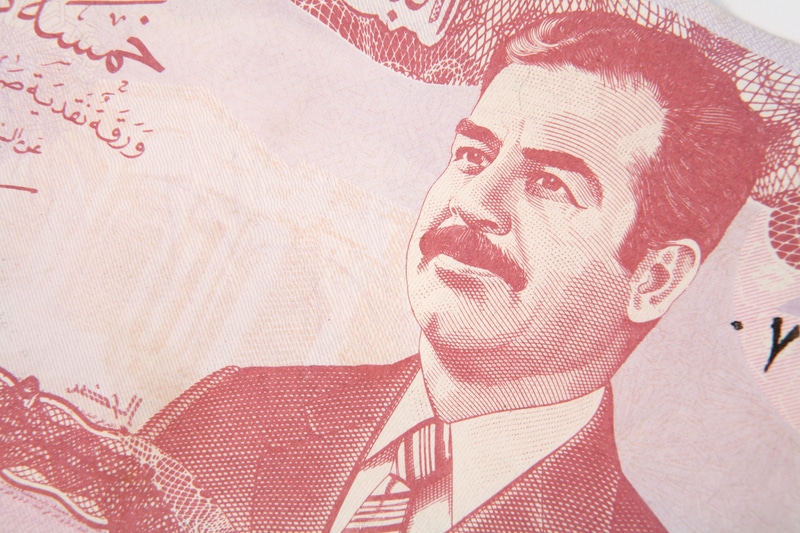
Saddam Hussein, once the fifth president of Iraq, stood in the dock in Baghdad on this day in 2005 alongside seven co-defendants, charged with crimes against humanity before the newly formed Iraqi Special Tribunal. The man who had ruled Iraq for over two decades now faced judgement for the killings of civilians, a reversal few could have imagined just years earlier when he commanded absolute power.

The trial dragged on through outbursts, walkouts and the assassination of defence lawyers before Hussein was convicted. He was executed by hanging just over a year later, on 30 December 2006.

Baathist era 5 dinar Iraqi banknote with Saddam Hussein

⬅ See all events from 19 October

Spread the word on your favourite platform!

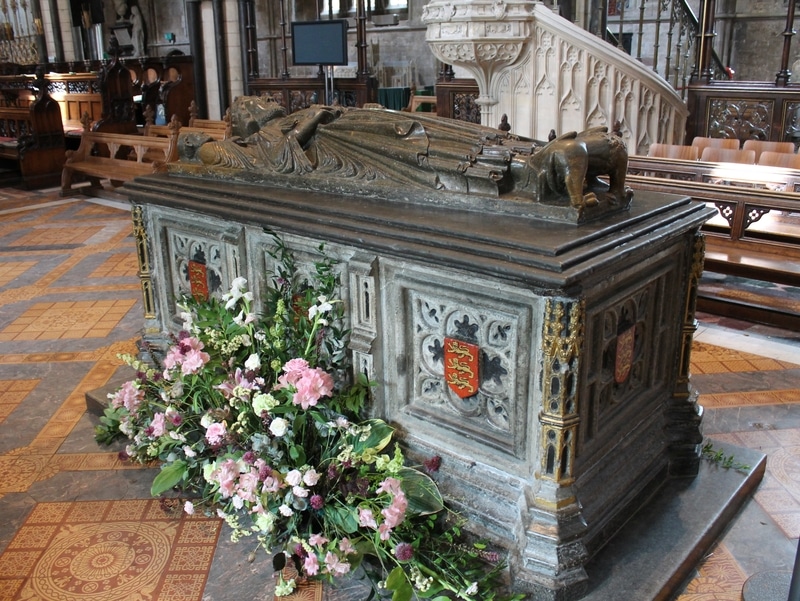
Legend has it that King John of England was not felled by illness but by a monk’s revenge. Staying at Swineshead Abbey in Lincolnshire that October, John allegedly threatened to starve his own kingdom with crushing bread prices; a monk is said to have milked a toad for its venom, mixed it into a cup of ale, and drunk from it himself before serving the king, to prove the drink was safe. The monk reportedly died first in the abbey infirmary, and John followed him within hours.

The king, already infamous for the Magna Carta he was forced to sign and then tried to annul, died at Newark Castle on 19 October 1216 as a rebel army closed in on his crumbling kingdom. The poisoning story only surfaces in a chronicle written decades later for John’s old enemies, the barons; most contemporary accounts agree he died of dysentery, the far less dramatic verdict most historians still accept today.

Tomb of King John of England in Worcester Cathedral

⬅ See all events from 19 October

Spread the word on your favourite platform!
On This Day in True Crime History

Subscribe to Dark Stories

True crime stories, dark history and tour news, straight to your inbox.