Richard Nixon had a choice: hand over the secret Oval Office recordings a court had ordered released, or dig in. On 19 October 1973, he chose defiance, rejecting an Appeals Court demand to turn over the Watergate tapes, recordings that held the conversations investigators believed would prove his role in the cover-up.

The refusal pushed Nixon to the edge of contempt of court and deepened a crisis that had already consumed his presidency. Rather than hand over the evidence, he tried to offer summaries in its place, a move that satisfied no one and only hardened suspicion that the tapes contained exactly what his accusers suspected. The standoff over those recordings would drag on for months, and it was the eventual release of the tapes that sealed his resignation the following year.
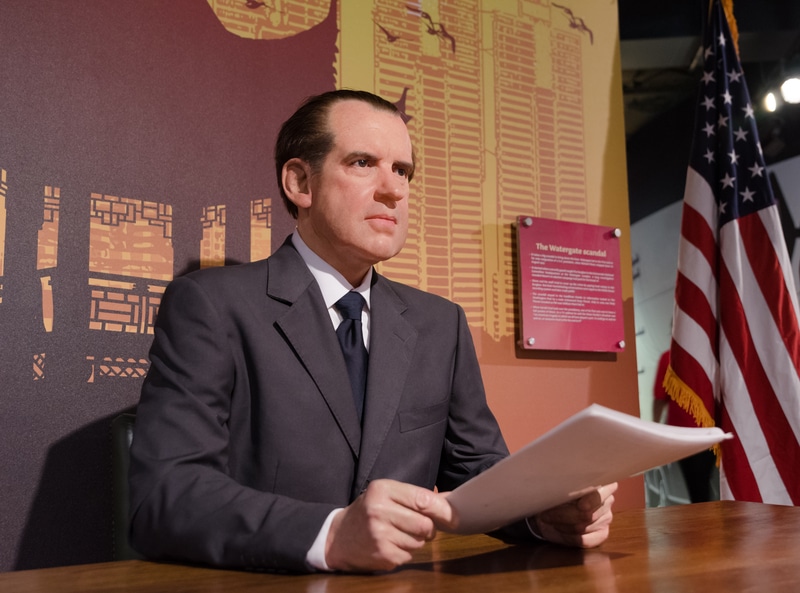

President Richard Nixon made of Wax. Wax figure Richard Nixon reading documents with american flag at desk | ID 59298060 © Lequint | Dreamstime.com
ID 59298060 © Lequint | Dreamstime.com

⬅ See all events from 19 October

Spread the word on your favourite platform!

Legend has it that King John of England was not felled by illness but by a monk’s revenge. Staying at Swineshead Abbey in Lincolnshire that October, John allegedly threatened to starve his own kingdom with crushing bread prices; a monk is said to have milked a toad for its venom, mixed it into a cup of ale, and drunk from it himself before serving the king, to prove the drink was safe. The monk reportedly died first in the abbey infirmary, and John followed him within hours.

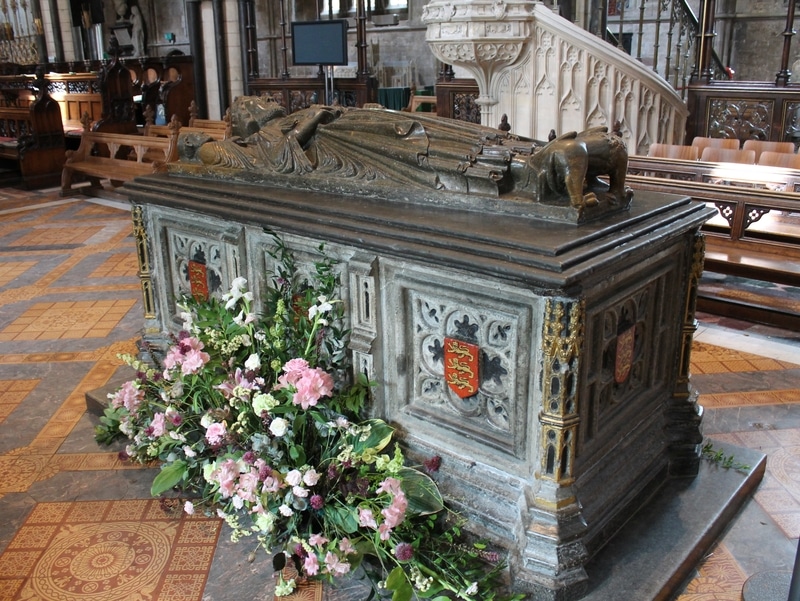
The king, already infamous for the Magna Carta he was forced to sign and then tried to annul, died at Newark Castle on 19 October 1216 as a rebel army closed in on his crumbling kingdom. The poisoning story only surfaces in a chronicle written decades later for John’s old enemies, the barons; most contemporary accounts agree he died of dysentery, the far less dramatic verdict most historians still accept today.

Tomb of King John of England in Worcester Cathedral

⬅ See all events from 19 October

Spread the word on your favourite platform!

Martin Luther King Jr. was arrested on this day in 1960 alongside dozens of students and local activists after refusing to leave his seat at a segregated department store lunch counter in Atlanta. The protest was part of a sit-in movement that had spread across the South since four students staged the first one at a Woolworth’s in Greensboro, North Carolina, earlier that year.

Most of the group had their charges dismissed, but King alone was held over a probation violation tied to an earlier case and sentenced to months of hard labour. The arrest drew national attention when presidential candidate John F. Kennedy personally intervened to help secure his release, a move credited with swinging crucial Black support behind Kennedy weeks before he won the presidency.

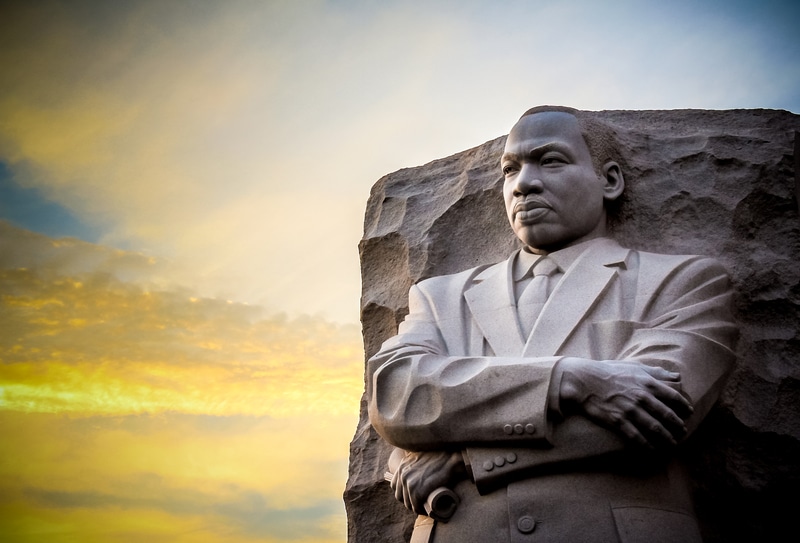
Martin Luther King Jr Memorial. The statue memorial for Martin Luther King Jr. in West Potomac Park, Washington D. C.. | ID 36894618 © Atomazul | Dreamstime.com
ID 36894618 © Atomazul | Dreamstime.com

⬅ See all events from 19 October

Spread the word on your favourite platform!

The Guildford Four were four young people wrongly convicted over a pub bombing campaign carried out by the IRA in Guildford, England, in 1974, and sentenced to life in prison after detectives extracted confessions during lengthy, uncharged interrogations. Three of the convicted were in their early twenties; the youngest was still a teenager.

Within a few years an IRA unit known as the Balcombe Street Gang admitted in custody that they, not the four, had carried out the attack, but the confession was dismissed and the convictions stood. It took more than a decade, and the discovery that police had secretly rewritten interview notes to match the statements used at trial, before the case collapsed. On 19 October 1989, after 15 years behind bars, the Guildford Four walked free.

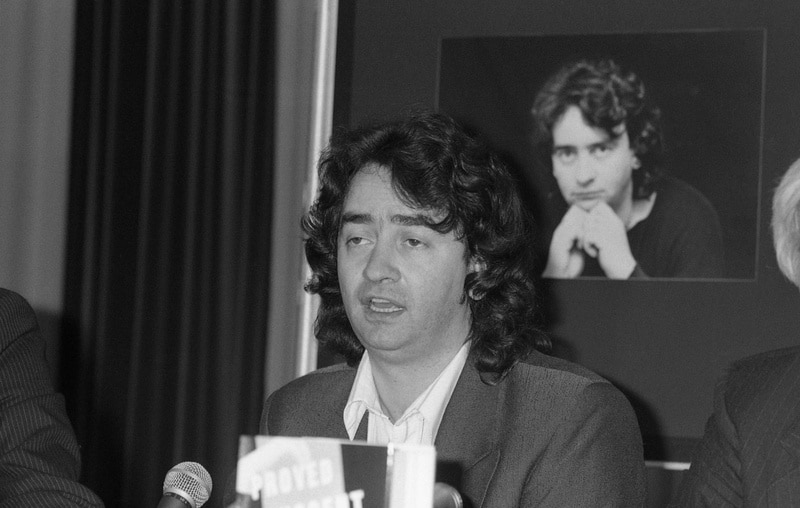
Gerry Conlon, One of the Guildford Four, wrongly jailed for the Guildford pub bombings in Surrey, England, at a book launch in London on June 11, 1990. | ID 11134005 © David Fowler | Dreamstime.com
ID 11134005 © David Fowler | Dreamstime.com

⬅ See all events from 19 October

Spread the word on your favourite platform!
On This Day in True Crime History

Subscribe to Dark Stories

True crime stories, dark history and tour news, straight to your inbox.