Archives: Dark Stories: On This Day In True Crime History - Page 2
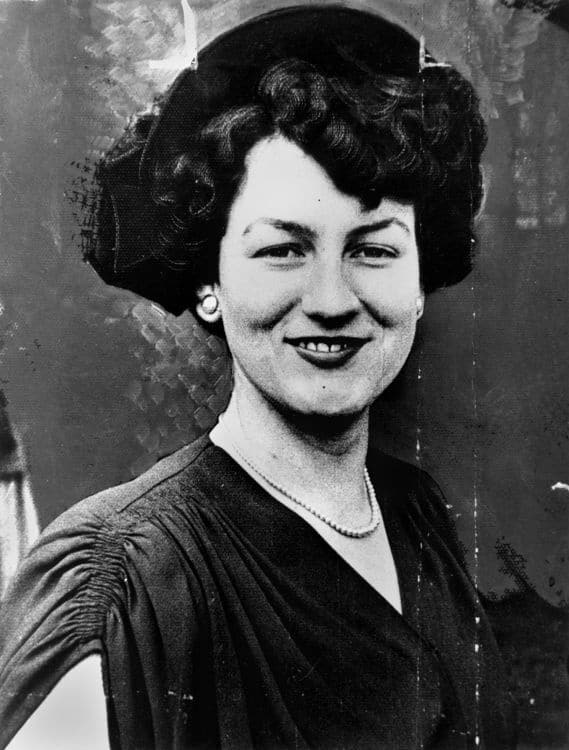
1952: Steps From Home: the Unsolved Murder of Betty Shanks in Brisbane
On the night of 19 September 1952, 22 year old Betty Shanks stepped off a tram at the Grange terminus in Brisbane and set off on the short walk home. She never made it and her body was found the next morning, in the front garden of a house just metres from her parents’ own home.
Despite an extensive police investigation and decades of renewed interest, no one was ever charged over her death. The case has become one of Queensland’s most haunting cold cases. A young woman killed almost within sight of her own front door, with her killer never identified.
1975: The Hunt Ends: Patty Hearst, Newspaper Heiress Turned Fugitive, Captured by the FBI
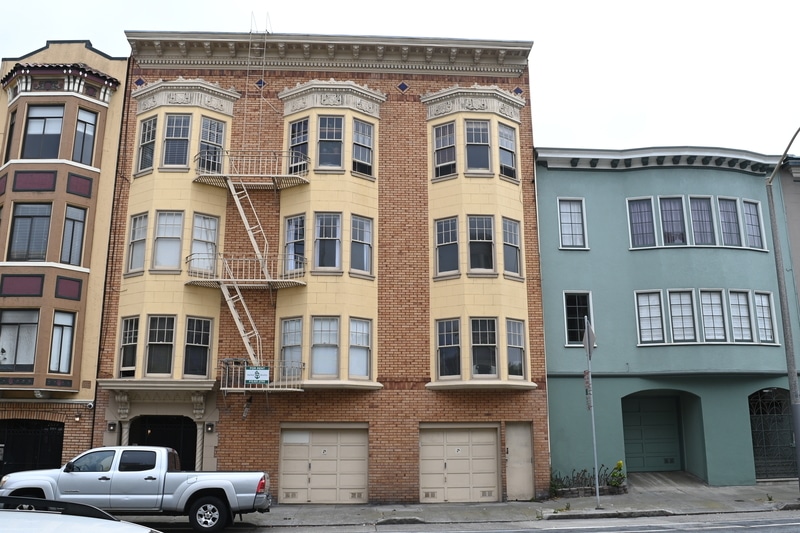
Patty Hearst, granddaughter of newspaper magnate William Randolph Hearst, was abducted from her Berkeley apartment in February 1974 by the self-styled Symbionese Liberation Army, a small but violent radical cell. Within weeks the group released tapes in which she renounced her family and adopted the nom de guerre Tania, and in April 1974 she was photographed wielding a rifle during the SLA’s armed robbery of a Hibernia Bank branch in San Francisco.
For nineteen months Hearst remained with her captors turned comrades as the group moved between safe houses, evading one of the largest manhunts in FBI history. She was finally arrested in San Francisco on September 18, 1975, and later stood trial for bank robbery, where her defence argued she had been brainwashed and coerced.
Convicted despite that defence, Hearst was sentenced to prison, but her sentence was commuted by President Jimmy Carter and she was granted a full pardon by President Bill Clinton in 2001.
Patty Hearst hideout, Golden Gate Avenue, San Francisco
1811: No Reprieve: The Killers Confession Ignored as a Convicted Man Is Hanged Two Days Late
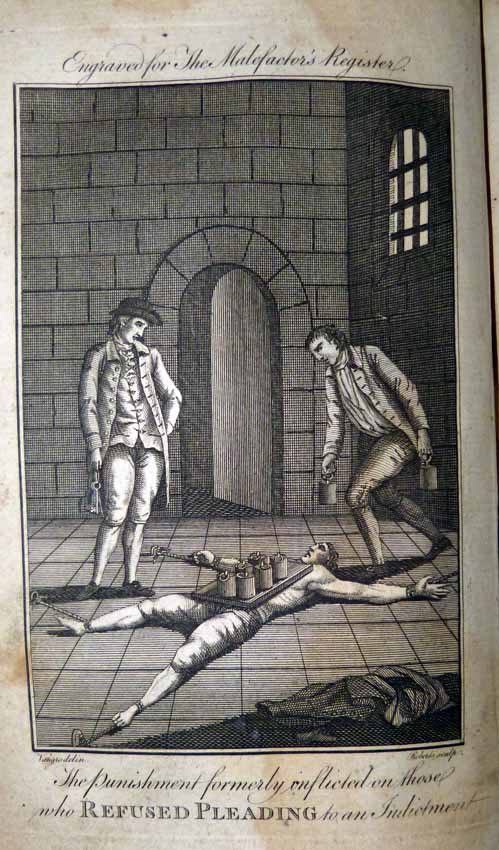
John Dunn was convicted at the Parramatta Court of Criminal Jurisdiction of murdering Mary Rowe, largely on the testimony of a sixteen year old accomplice, John Welch, whose evidence also saw Welch’s father, Thomas Welch, convicted as an accessory after the fact.
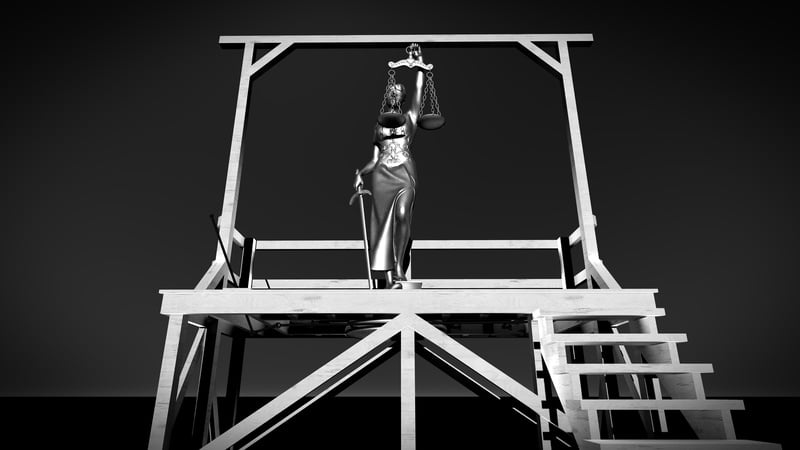
Dunn was due to hang at Parramatta two days beforehand, on Monday 16 September 1811, but as the execution was about to proceed the boy, John Welch, suddenly retracted everything he had sworn at trial. He declared Dunn innocent and claimed that he and his father were the true killers. The Acting Provost Marshal, unable to consult anyone and acting on what observers called motives of humanity, respited the hanging on the spot.
The reprieve lasted only two days. Dunn was finally executed at Parramatta on the Wednesday following, as near as possible to the site of the murder itself, amid what one witness described as far gloomier circumstances than the original sentence would have produced.
After he was cut down, Dunn’s body was delivered to the medical officer at Parramatta General Hospital, where it was dissected and anatomised before burial. The scaffold retraction left lingering public doubt over Dunn’s guilt, with contemporary accounts noting the boy’s claim that Dunn was innocent and that he and his father were the real perpetrators.
Lady Justice Themis statue on gallows with scales and sword
1916: He Ruined My Life’: Antonio Picone Hanged at Melbourne Gaol for a Market Shooting
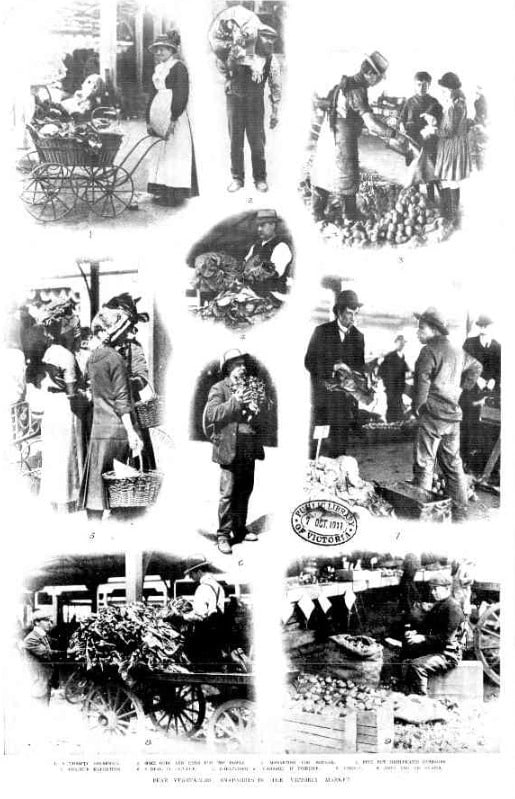
At 4 a.m. on 25 July 1916, three revolver shots rang out at the Queen Victoria Market in Melbourne. Joseph (Giuseppe) Lauricella, a 32 year old Carlton fruiterer buying tomatoes for his shop, fell dead with wounds to the head and neck. His killer, laborer Antonio Picone, fled through a market shed still clutching a smoking revolver before being tackled and held by a bystander, until police arrived.
Picone, wearing a military reject badge in his lapel, was hauled before the City Court that same day. When the charge was read he insisted, “I didn’t do it,” yet detectives testified he had already told them why he pulled the trigger: “He robbed me of my bread, disgraced me, ruined the whole of my life.”
Despite his courtroom denial, Picone had already given detectives his own account of the killing, telling them plainly it was revenge for the ruin of his livelihood and reputation. Picone was convicted of murder and hanged at Melbourne Gaol on 18 September 1916.
Victoria Market Melbourne 1911 Still In Operation Today