Snowy Cutmore had spent months hiding in Sydney after the gangland killing of an ally, but by late October 1927 he was back in Melbourne, lodging with his mother in Carlton. At the races he ran into his old rival Squizzy Taylor and the two traded threats in public; within days Cutmore came down with influenza and took to his sickbed.

On 27 October 1927, Taylor and an accomplice hired a car, drove to the house and walked straight into Cutmore’s bedroom. Gunfire erupted between the bedridden man and his visitors: Cutmore was hit five times, his mother was wounded by a stray bullet as she rushed in, and Taylor himself staggered out mortally wounded, dying in hospital within the hour.
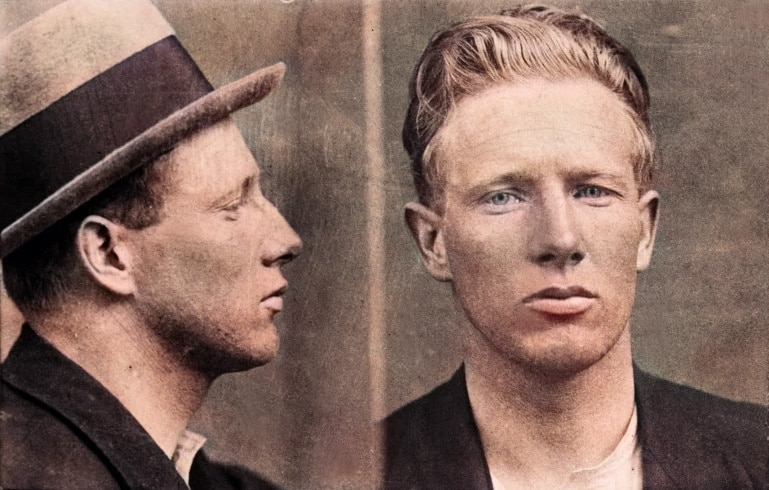

Snowy Cutmore dual portrait image from 1920

⬅ See all events from 27 October

Spread the word on your favourite platform!

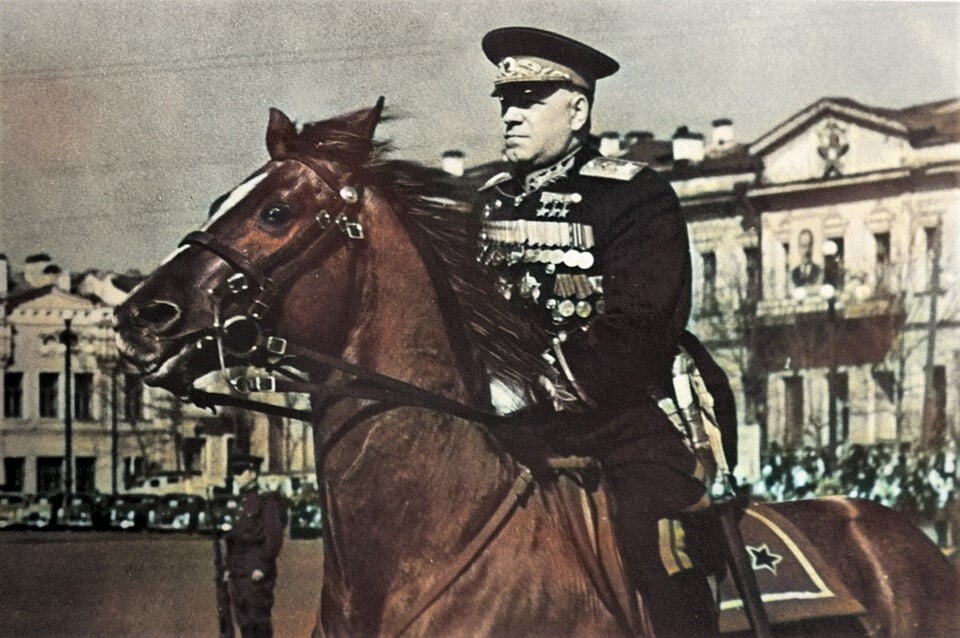
Georgi Zhukov was the Soviet Union’s most celebrated soldier, the man who had accepted Germany’s surrender and inspected the Moscow Victory Parade. That fame became his undoing. After Stalin’s death, Zhukov helped Nikita Khrushchev secure power and was rewarded with the post of Defence Minister, but his popularity soon made him look like a rival rather than an ally.

In October 1957, while Zhukov was away on an official visit to Yugoslavia and Albania, the ground shifted beneath him. He flew back into Moscow on 26 October and was taken straight into a Presidium meeting, where he was removed from the body on the spot. Within days the Central Committee accused him of fostering his own personality cult and conducting unauthorised foreign dealings; he was expelled and forced into retirement at 61, never to hold high office again.

Photograph: Russian Ministry of Defence (Mil.ru), licensed under CC BY 4.0. Digitally colourised and enhanced.

⬅ See all events from 26 October

Spread the word on your favourite platform!

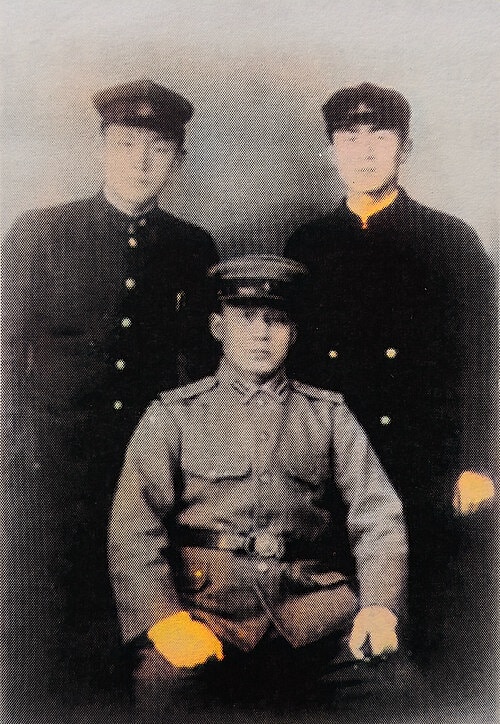
Kim Jae-kyu was no outsider. As head of South Korea’s Central Intelligence Agency, he had spent years enforcing President Park Chung-hee’s authoritarian rule, even as protests against it grew and corruption allegations mounted. On this day in 1979, during a private dinner at a KCIA safe house near the Blue House, South Korea’s equivalent of the American White House, Kim turned on the man he served and shot him dead at the table.

The killing sent shockwaves through the nation and exposed the deep fractures within Park’s own inner circle. Kim and several others implicated in the assassination were tried and executed in 1982, closing a case that marked the violent end of nearly two decades of authoritarian rule.

Park Chung Hee in earlier dates as military officer with classmates group photo

⬅ See all events from 26 October

Spread the word on your favourite platform!

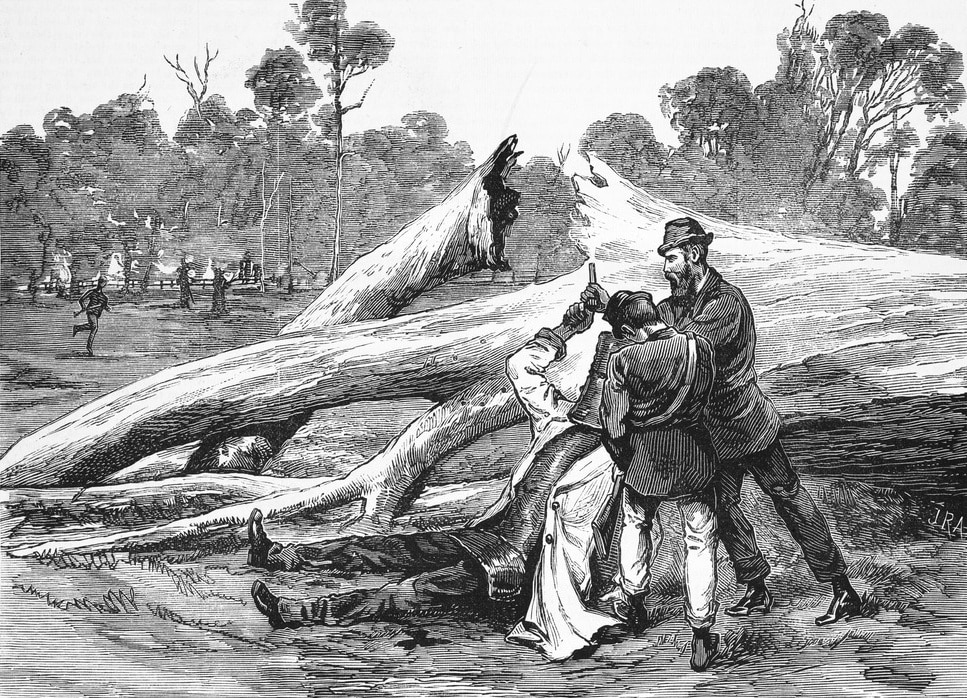
Four policemen searching for Ned Kelly and his gang had made camp at Stringybark Creek, near Mansfield, when the outlaws struck on 26 October 1878. Sergeant Michael Kennedy and Constable Michael Scanlan were away searching the bush when the gang surprised Constables Thomas Lonigan and Thomas McIntyre at the camp. Lonigan was shot dead after attempting to draw his revolver, while McIntyre surrendered and was held captive.

The gang then waited for the other two officers to return. As Kennedy and Scanlan rode into camp, they were ordered to surrender, but gunfire erupted and Scanlan was killed. McIntyre escaped on Kennedy’s horse during the confusion, while Kennedy fought his way into the bush, pursued by the outlaws. He was eventually tracked down and killed. McIntyre reached Mansfield the following day to raise the alarm, the sole survivor of an encounter that left three policemen dead and helped turn the Kelly Gang into Australia’s most notorious bushrangers.

The Capture of Ned Kelly, Julian Ashton, wood engraving, The Illustrated Australian News, 3 July 1880. State Library of Victoria. Public Domain via Wikimedia Commons.

⬅ See all events from 26 October

Spread the word on your favourite platform!
On This Day in True Crime History

Subscribe to Dark Stories

True crime stories, dark history and tour news, straight to your inbox.