Kenneth Bianchi confessed to being the Hillside Strangler, but he did not go down alone. To save himself, he named his older cousin, Angelo Buono, as his accomplice, and on this day in 1979 Buono was arrested in Los Angeles.

The betrayal inverted everything investigators assumed about the case. It was Buono, not Bianchi, who turned out to be the predatory sexual sadist and driving force behind their partnership, having first drawn his younger cousin into crime years earlier by suggesting they go into business together as pimps. That shared criminal history curdled into a killing spree, and when the pressure of capture came, it was Bianchi who broke family loyalty to shift the blame onto the man who had led him there.
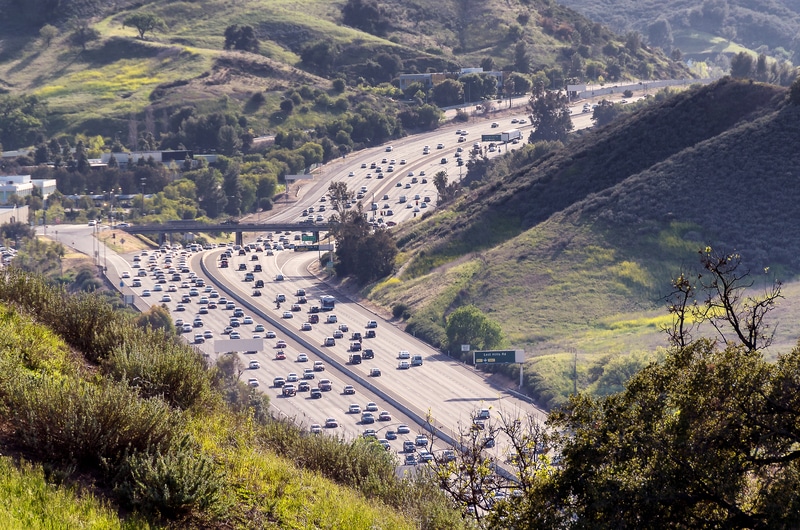

Hillside Strangler: Aerial view of rush hour traffic on the 101 Ventura Freeway

⬅ See all events from 22 October

Spread the word on your favourite platform!

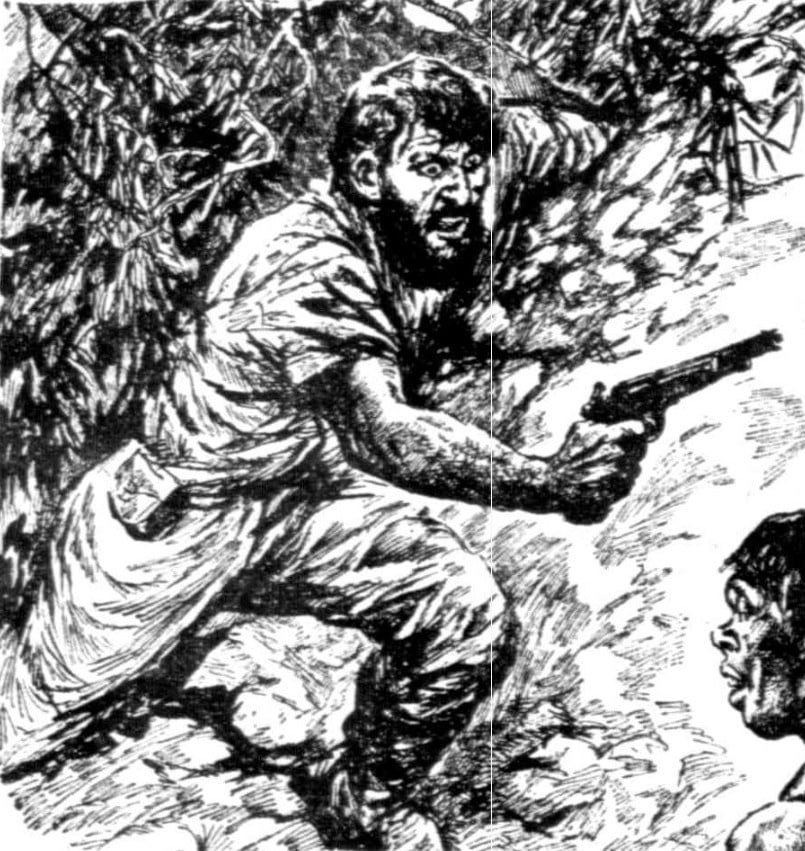
Michael Howe styled himself the Governor of the Ranges and spent years terrorising colonial Tasmania at the head of a bushranging gang, turning on his own allies whenever it suited his hold on command. When two kangaroo hunters, Worrall and Pugh, finally cornered and killed him on 21 October 1818, his knapsack was found to hold a crude journal bound in kangaroo skin and written in kangaroo blood.

The little book revealed a man haunted by his own crimes: dreams of being murdered, of dead comrades, of narrowly escaping capture, and, in one unexpected line, of the sister he had left behind. Alongside the dreams were long lists of seeds and flowers, the quiet fantasy of a killer who always meant to vanish into the bush and farm it in peace. Howe never got the chance; after Pugh clubbed him to death, his head was carried to Hobart to claim the reward on his life.

The reign of terror by the king of the ranges newspaper article 1954

⬅ See all events from 21 October

Spread the word on your favourite platform!

Patrick Curran was a notorious bushranger who terrorised the colony’s roads and outstations, once storming a property with a loaded gun levelled at the overseer before he was overpowered, wounding one of his captors with the stock of his musket in the struggle. Sentenced to death, he escaped from his escort between Picton and Sydney that April, prompting a thirty pound reward before he was run down and returned to custody.

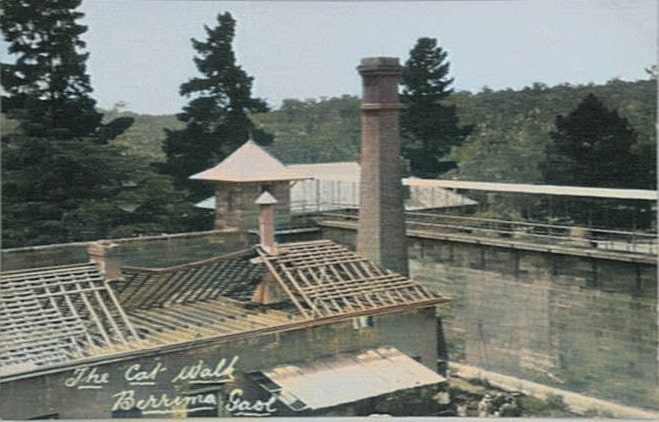
On the morning of 21 October 1841, Curran was hanged at Berrima. His final days swung between violent despair, so bad the attending clergymen were twice ordered from his cell, and sudden, sincere penitence that lasted through the night before his death.

On the scaffold, Curran confessed to the murder of a man named Fuller, a crime for which another man, Bright, had already been tried and transported for life in his place.

The Cat Walk inside Berrima Gaol prison yard Australia circa 1914 1941

⬅ See all events from 21 October

Spread the word on your favourite platform!

John Kilbride had vanished the previous November after leaving a Lancashire market, one of several victims to disappear from the Manchester area without explanation. Nearly a year later, on 21 October 1965, police dug up his badly decomposed remains on Saddleworth Moor; so little remained that he could only be identified by his clothing.

The discovery came the same day Ian Brady and Myra Hindley appeared in court charged with the murder of another victim, Lesley Ann Downey. Kilbride’s body on the moor would soon tie the pair to a second killing, as the full scale of what became known as the Moors Murders began to emerge.

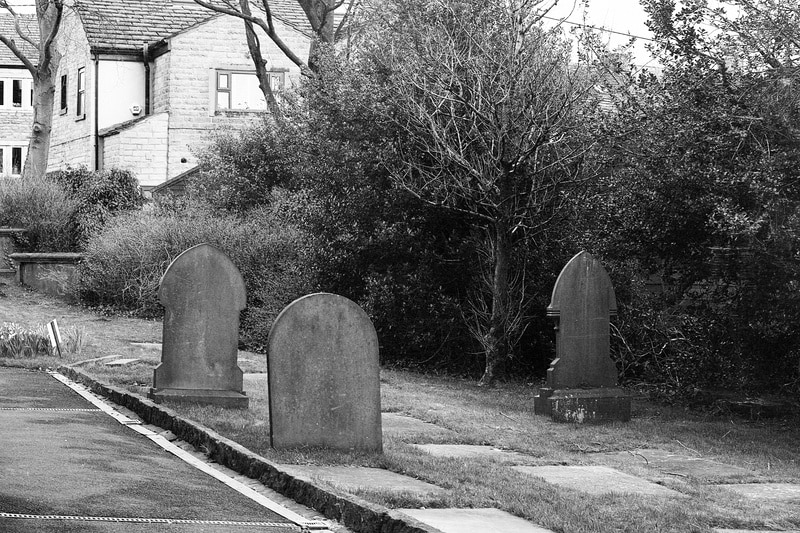
Graves on Saddleworth Moor in England

⬅ See all events from 21 October

Spread the word on your favourite platform!
On This Day in True Crime History

Subscribe to Dark Stories

True crime stories, dark history and tour news, straight to your inbox.