Joseph Theodore Leslie “Squizzy” Taylor, Melbourne‘s most notorious gunman, had died days earlier in a shootout with rival criminal Cutmore. He was buried in a polished oak coffin with gold mountings at Brighton Cemetery on this day in 1927, while hundreds of onlookers, mostly women, crowded outside his Richmond home to watch the coffin leave.

What followed was described in the press as a disgraceful exhibition of morbid curiosity. Traffic was blocked for half an hour, and just before the funeral began a crowd surged at the gateway, forcing police to be called to clear a path. At the graveside few of Taylor’s former associates could be seen among the throng of sightseers. Cutmore, the other man killed in the same gun battle, had been buried the previous day at Coburg.
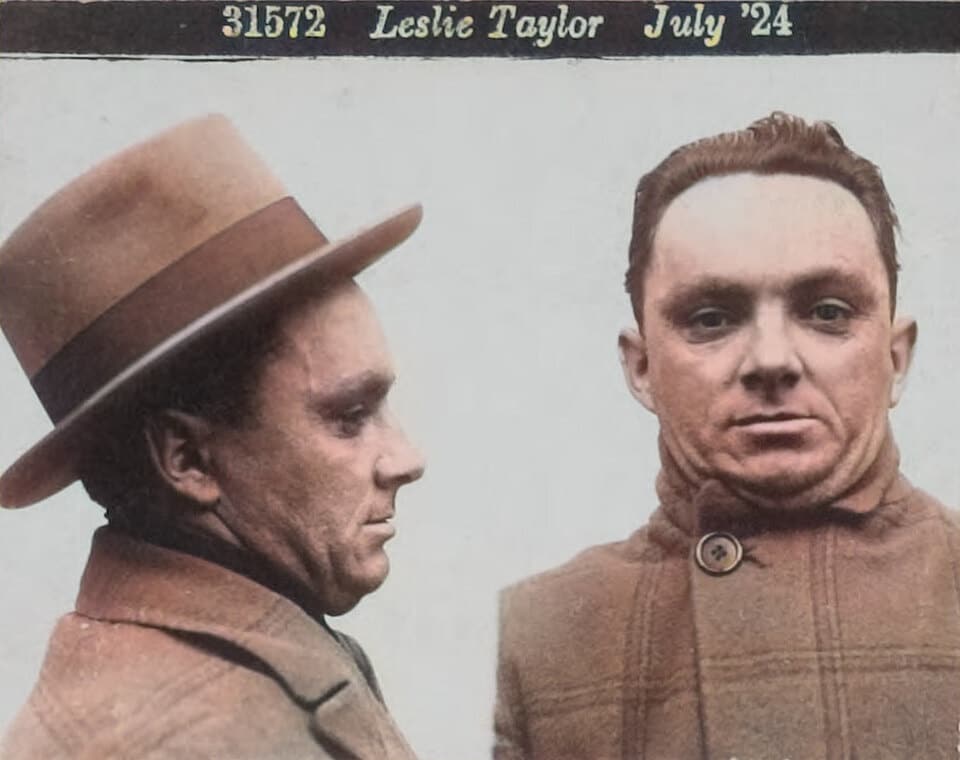

The Squiz: Leslie 'Squizzy' Taylor, police identification photographs July 1924 [collection of the Public Record Office of Victoria, Central Register for Male Prisoners 31530 - 31927 (1907-1909)]
The Squiz: Leslie ‘Squizzy’ Taylor, police identification photographs July 1924 [collection of the Public Record Office of Victoria, Central Register for Male Prisoners 31530 – 31927 (1907-1909)]

⬅ See all events from 29 October

Spread the word on your favourite platform!

John Lloyd, a ticket-of-leave convict working near Geraldton, shot his own labourer John Brown with intent to kill at Port Gregory in June 1857. Brown was himself a former convict, but only months earlier he had been granted a conditional pardon for manslaughter, finally free after years under sentence, before his own employer put a bullet in him.

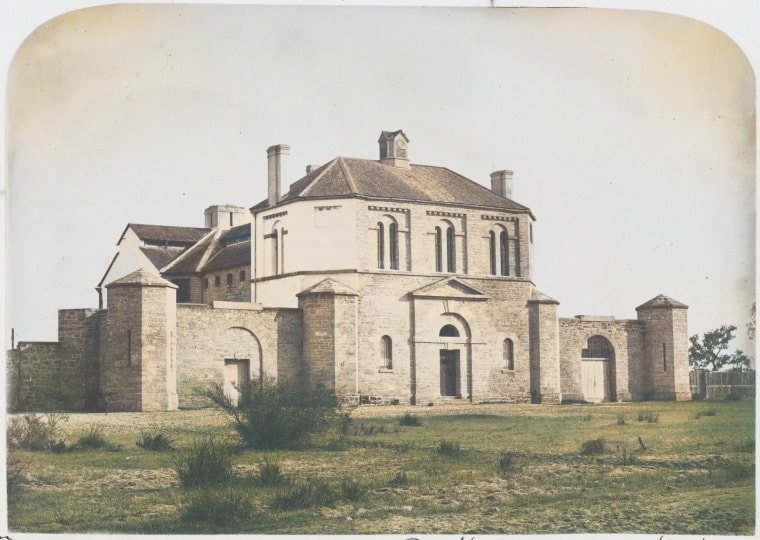
Lloyd was tried and convicted that October, and hanged at Perth Gaol on this day in 1857. It was not his first brush with the gallows’ shadow: a decade earlier he had been transported for life from Wales for highway robbery, and had already served years in the colony before the shooting that finally ended his.

Old Perth Gaol circa 1862

⬅ See all events from 29 October

Spread the word on your favourite platform!

Lindy Chamberlain said a dingo had carried her baby daughter Azaria from the family’s tent near Ayers Rock in August 1980. Few believed her. The claim became a national punchline, pored over in tabloids and dinner table arguments alike, and police built a case on bloodstains in the family car and a mother’s supposedly too-calm demeanour.

She was convicted of murder on this day in 1982 and sentenced to life with hard labour, while her husband was convicted as an accessory. The trial turned almost entirely on forensic evidence that would later unravel.

More than three years after her conviction, searchers looking for the remains of a tourist who had fallen from Uluru discovered Azaria’s missing matinee jacket, partially buried near a dingo lair. Lindy Chamberlain had always insisted her daughter was wearing the jacket when she disappeared, a claim prosecutors had dismissed as a fabrication.

Her conviction was quashed in 1988, and she was formally exonerated, a dingo had taken her baby after all.

Dingo
Dingo

⬅ See all events from 29 October

Spread the word on your favourite platform!

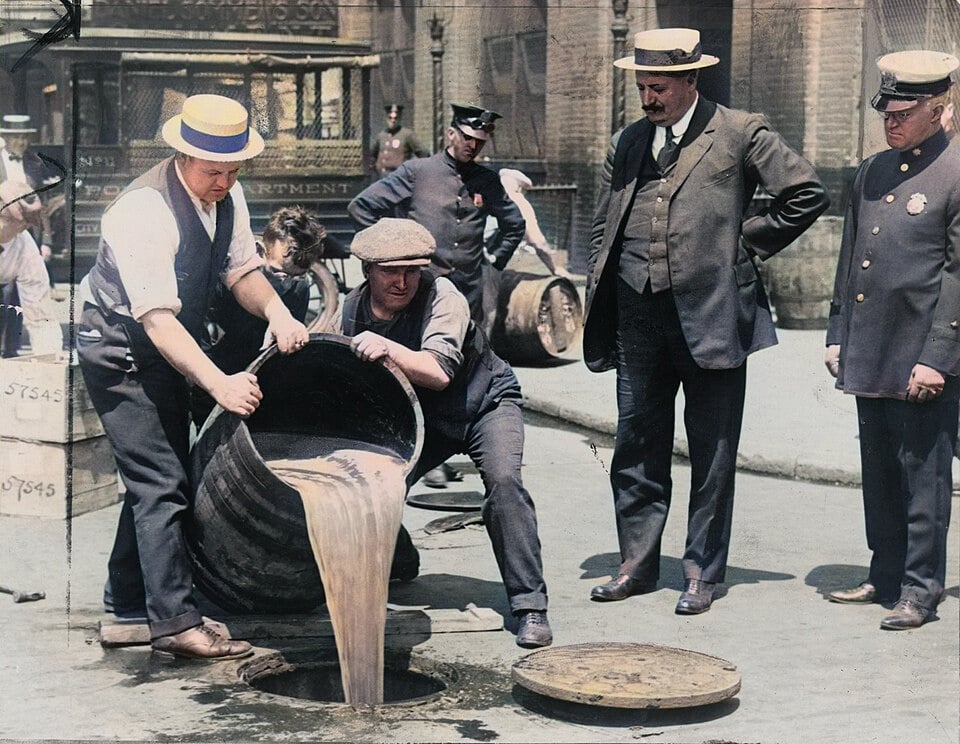
President Woodrow Wilson vetoed it, warning that banning alcohol while rationing wartime grain made no sense now the war was over. Congress disagreed, and on this day in 1919 the Senate and House of Representatives overrode his veto, pushing the Volstead Act into law and setting a date to enforce the newly ratified Eighteenth Amendment.

The Act gave Prohibition its teeth: it defined any drink over 0.5 percent alcohol as illegal and handed federal agents the power to raid, seize and prosecute. Within months, that vacuum would be filled not by sobriety but by bootleggers, speakeasies and the organised crime syndicates who built fortunes smuggling what the law had just made forbidden.

New York City Deputy Police Commissioner overseeing the disposal of confiscated liquor during Prohibition, c. 1921. Source: Library of Congress.

⬅ See all events from 28 October

Spread the word on your favourite platform!
On This Day in True Crime History
1852·Mercy Recommended, Mercy Denied: John Riches Hanged in Melbourne Over a Deadly Camp Quarrel
1989·Twice in 24 Hours: the Granny Killer Claims Another Victim in Sydney
2005·The First Murder Convictions of the Melbourne Gangland War: Keith Faure and Evangelos Goussis Convicted
More Crime On This Day →

Subscribe to Dark Stories

True crime stories, dark history and tour news, straight to your inbox.