Sing Ong, a Chinese settler at Cape Lesueur on Shark Bay, shot his countryman Ah Foo twice on 11 May 1884 in a quarrel over a servant Sing Ong believed was rightfully his. Witnesses heard the shots and found Ah Foo dying of a wound below the chest, having first picked up a stick and told his killer he was not afraid of his knife, gun, or revolver.

At his trial in Geraldton, his own counsel argued the shooting had been a sort of duel between the two men, pointing out that police never produced the pistol and failed to call other witnesses who might have helped him. The jury convicted him regardless, and the Governor delayed the sentence to weigh a mercy petition, but found nothing in it to change the outcome.

On 29 October 1884, Sing Ong was hanged at Geraldton gaol, the town’s first execution, carried out so cleanly that death came the instant the bolt was drawn.

From his arrest to the gallows, Sing Ong never denied the killing.
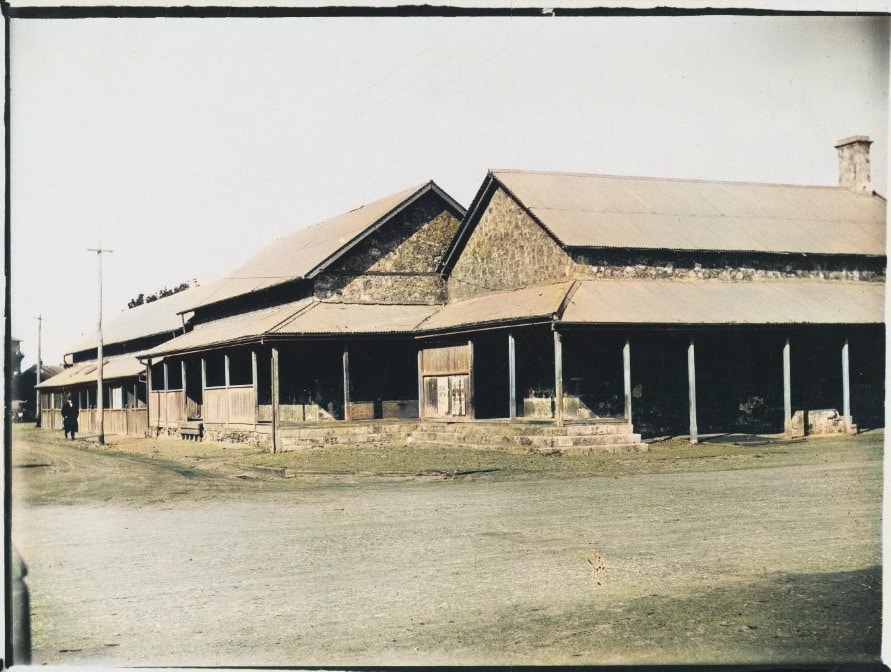
The original Geraldton Courthouse, circa 1900. Built in the 1860s, the courthouse was in use when Sing Ong stood trial for murder in 1884. State Library of Western Australia, BA597/26.

⬅ See all events from 29 October

Spread the word on your favourite platform!

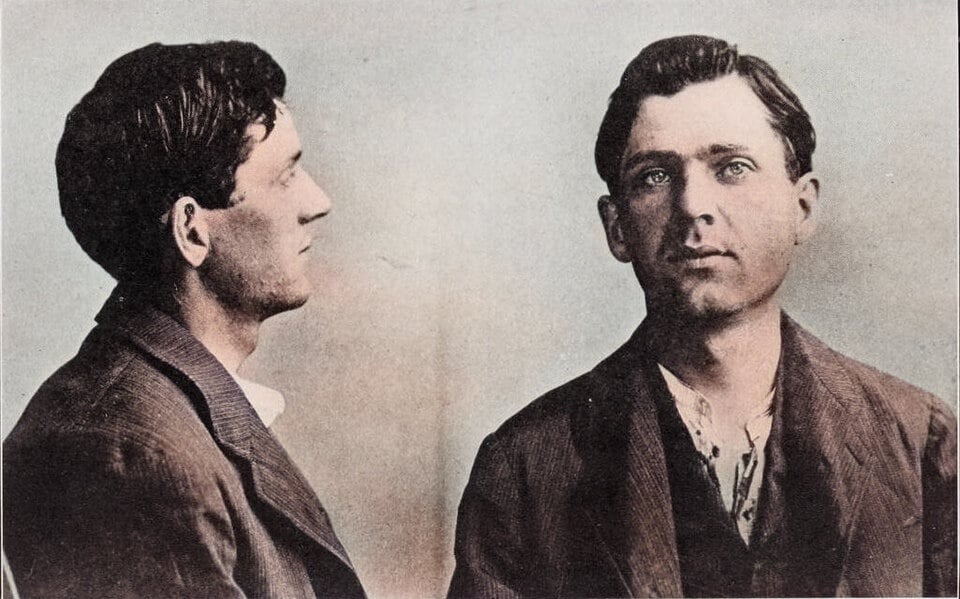
Leon Czolgosz, an anarchist, shot President William McKinley at point-blank range during a public reception at the Temple of Music in Buffalo, New York, on 6 September 1901. McKinley initially seemed to be recovering from his wounds, giving doctors and the public hope, but he died eight days later.

Czolgosz was swiftly tried and convicted of the killing. He was electrocuted on this day in 1901, one of the clearest and most public reckonings in the history of presidential assassinations in the United States.

Leon Czolgosz mug shot portrait: 1901

⬅ See all events from 29 October

Spread the word on your favourite platform!

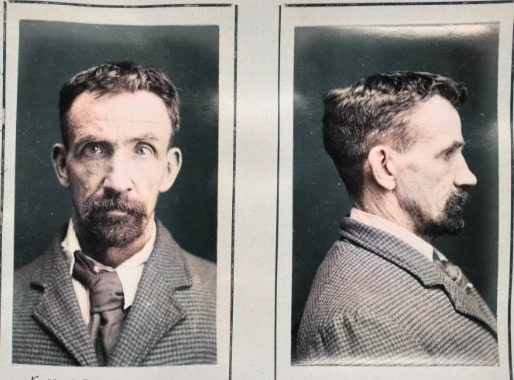
Nicholas Baxter had been night watchman at the biscuit factory next to Mary Macnamara’s home in Sydney for six and a half years, and the elderly widow trusted him completely. By his own account he knew where she kept her money, had fetched change for her dozens of times, and could have taken it without her ever knowing. He never did, not until he resigned from the job in June 1907 and returned a month later.

On the morning of 8 July 1907 Macnamara was found bludgeoned in her ransacked bedroom. Police found Baxter that same day wandering in circles near Strathfield, drunk, wearing a hat taken from her hall stand and carrying her jewellery. When he tried to bolt after being re-arrested, he gave up with the words, “It’s all up, you’ve got me now.”

At trial his defence was that years of overwork as a night watchman, ninety-hour weeks with no night off, had left him unfit to know right from wrong. The jury was not persuaded, and Baxter was hanged in Sydney on this day in 1907.

He had earlier confessed to police, “I don’t know what possessed me to do it. I must have been mad. I didn’t intend to hurt the poor old body, but she would not keep quiet.”

Nicholas Baxter gaol inmate photo index Darlinghurst Gaol 1907 Colorised: State Archives NSW Collection Record INDEX2056662.

⬅ See all events from 29 October

Spread the word on your favourite platform!

Lindy Chamberlain said a dingo had carried her baby daughter Azaria from the family’s tent near Ayers Rock in August 1980. Few believed her. The claim became a national punchline, pored over in tabloids and dinner table arguments alike, and police built a case on bloodstains in the family car and a mother’s supposedly too-calm demeanour.

She was convicted of murder on this day in 1982 and sentenced to life with hard labour, while her husband was convicted as an accessory. The trial turned almost entirely on forensic evidence that would later unravel.

More than three years after her conviction, searchers looking for the remains of a tourist who had fallen from Uluru discovered Azaria’s missing matinee jacket, partially buried near a dingo lair. Lindy Chamberlain had always insisted her daughter was wearing the jacket when she disappeared, a claim prosecutors had dismissed as a fabrication.

Her conviction was quashed in 1988, and she was formally exonerated, a dingo had taken her baby after all.

Dingo
Dingo

⬅ See all events from 29 October

Spread the word on your favourite platform!
On This Day in True Crime History
1852·Mercy Recommended, Mercy Denied: John Riches Hanged in Melbourne Over a Deadly Camp Quarrel
1989·Twice in 24 Hours: the Granny Killer Claims Another Victim in Sydney
2005·The First Murder Convictions of the Melbourne Gangland War: Keith Faure and Evangelos Goussis Convicted
More Crime On This Day →

Subscribe to Dark Stories

True crime stories, dark history and tour news, straight to your inbox.