Edward Bishop was a ticket-of-leave convict working at York, east of Perth, when he fell into a bitter feud with a Chinese cook named Ah Chong. When the man turned up bludgeoned and dumped in the Avon River in 1854, a bloodied axe was found hidden in Bishop’s room, his clothes had been freshly washed, and his own drunken threats against Ah Chong were repeated back to him in court.

The evidence was entirely circumstantial, but the jury took twenty minutes to convict him, and he was hanged near the causeway at Perth. Bishop never wavered. Nobody believed him then, but three years later his own hut-mate, William Voss, confessed to the murder, admitting he had planted the axe among Bishop’s belongings. Voss himself was hanged in 1862 for killing his wife.

On the scaffold, Bishop raised his hand and declared, “I assert in the presence of God that I did not commit the murder. I am dying innocent of crime, and I do not fear death”.
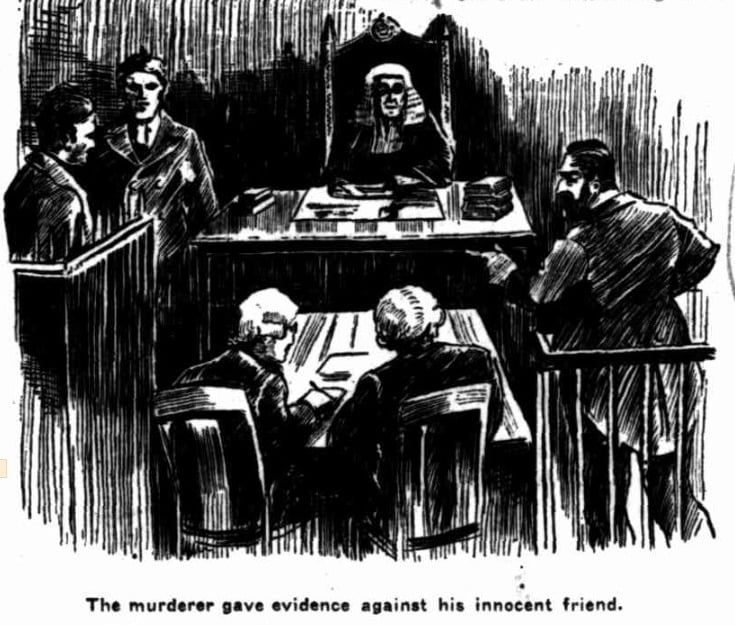

Innocent Edward Bishop betrayed.

⬅ See all events from 12 October

Spread the word on your favourite platform!

Ilich Ramirez Sanchez was born in Venezuela on 12 October 1949, the son of a Marxist lawyer who named him after Lenin. Raised between a devoutly Catholic mother and a father devoted to revolutionary politics, he would grow up to become one of the most notorious political terrorists of the twentieth century.

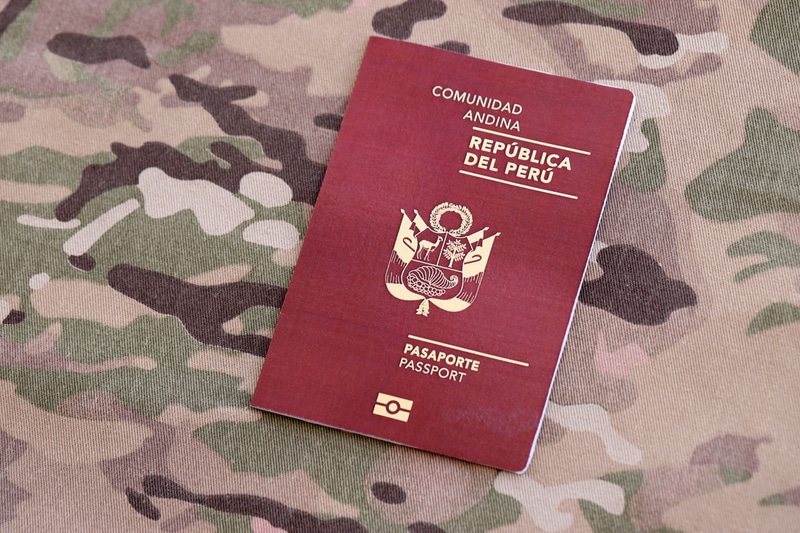
As Carlos the Jackal, he carried out assassinations, bombings and hostage takings across Europe through the 1970s and into the 1980s, including the infamous 1975 raid on the OPEC headquarters in Vienna. For years he evaded capture using a fake Peruvian passport bearing the alias Carlos Andres Martinez Torres, fitted with a deliberately poor photograph he later admitted was a likeness intentionally bad, designed to throw investigators off his trail. That very passport, seized by French police who did not yet know his real identity, is the reason the world came to know him only as Carlos.

Peruvian passport - real or fake?
Peruvian passport – real or fake?

⬅ See all events from 12 October

Spread the word on your favourite platform!

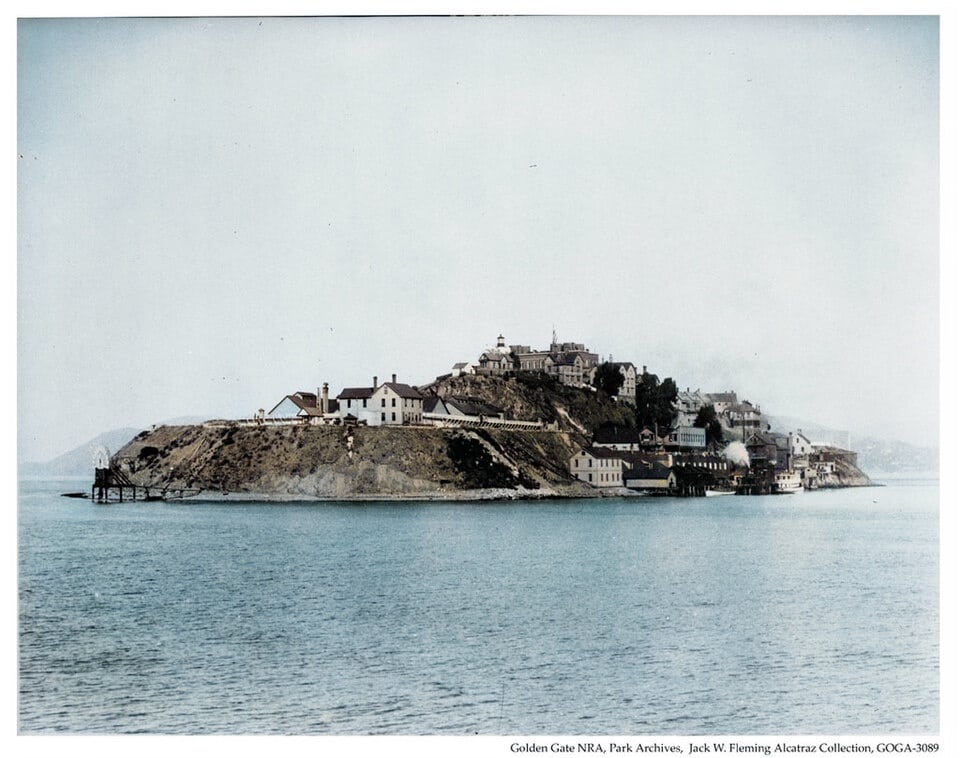
The U.S. Department of Justice announced the acquisition of the military facility on Alcatraz Island on this day in 1933, marking the start of its transformation into a federal maximum-security penitentiary. It would be nearly a year before the island was formally designated a federal prison and the first inmates arrived.

Alcatraz was built for one purpose: to hold prisoners who had proven too disruptive, too dangerous, or too likely to escape from every other federal institution. Surrounded by cold currents and strict discipline, it would soon house names like Al Capone and Robert Stroud, cementing its reputation as America’s most feared prison.

Coloried view of Alcatraz Island circa 1902-1905 (unknown author)

⬅ See all events from 12 October

Spread the word on your favourite platform!

Peter McKean, alias William McDonald, bunked with William ‘Yorkie’ Marriott at a shepherd’s hut near Kojonup, both working for the same local farmer. Marriott was known for quietly saving his wages, and in June 1872 he vanished. His body was found slumped behind a cart more than a week later, the head so badly gnawed by dogs that he could only be identified by a missing finger on his right hand.

McKean was arrested on circumstantial evidence and convicted at the Albany Circuit Court of robbing and killing Marriott with an axe. After his arrest, McKean claimed Marriott had been killed by ‘a vicious horse’. He never offered proof, and the excuse died with him on the scaffold.

He was hanged at Albany on 12 October 1872, the rope worked by a fellow convict before a crowd that included schoolchildren.

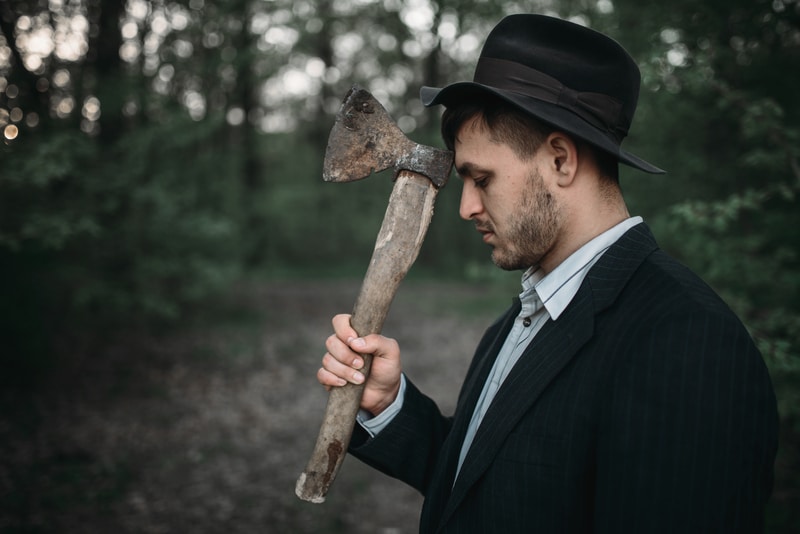
Carpenters axe
Carpenters axe

⬅ See all events from 12 October

Spread the word on your favourite platform!
On This Day in True Crime History

Subscribe to Dark Stories

True crime stories, dark history and tour news, straight to your inbox.