1776: But One Life to Give: Nathan Hale Hanged as a Spy in New York City

Captain Nathan Hale, a young American officer serving under George Washington, was captured behind British lines on Long Island while gathering intelligence on troop movements ahead of the British occupation of New York City. Found with incriminating documents hidden in his boots, he was condemned without a formal trial and hanged by the British the following morning, on the orders of General William Howe.

Hale was reportedly denied the services of a clergyman and even a Bible in his final hours. He was hanged from a tree or ladder, with no gallows or drop, meaning death likely came slowly by strangulation rather than a broken neck.

His last words are reputed to have been, “I only regret that I have but one life to give for my country,” a line said to echo a sentiment from a play he had read, and one that transformed him into an enduring symbol of American revolutionary sacrifice despite his execution as a spy.
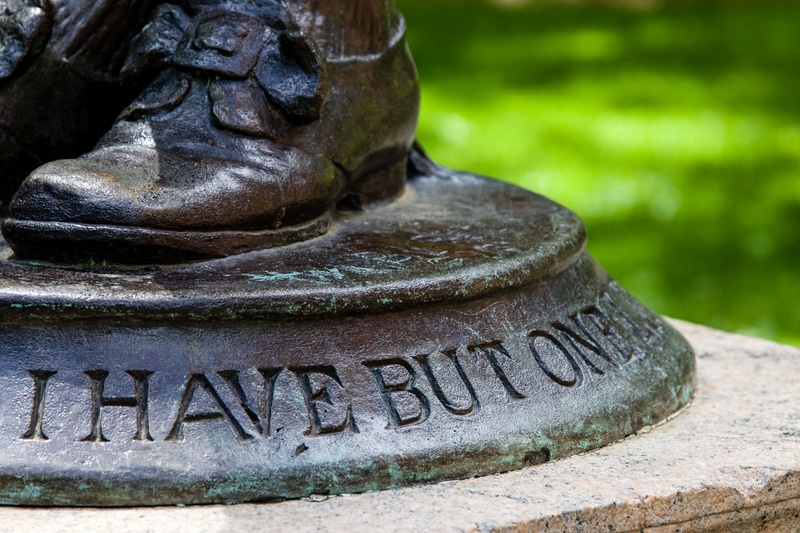

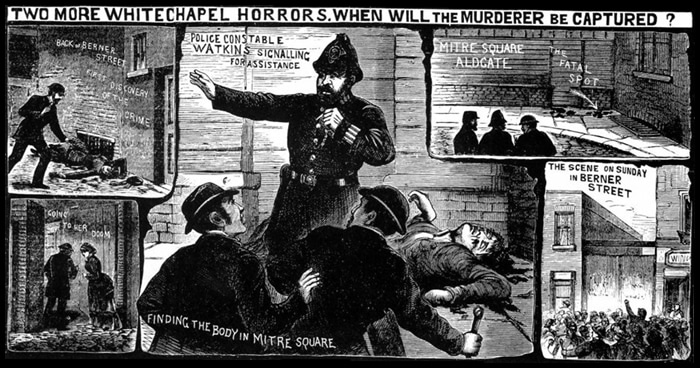
Nathan Hale statue detail with partial quote I have but one

⬅ See all events from 22 September

Spread the word on your favourite platform!
True Crime Scene Tape

1975: The Bystander Who Saved a President: Second Failed Attempt on Gerald Ford in San Francisco

Just seventeen days after Lynette Fromme aimed a pistol at Gerald Ford in Sacramento, a second attempt on the president’s life unfolded outside a hotel in San Francisco on September 22, 1975. Sarah Jane Moore, a 45-year-old activist and FBI informant, fired a single shot from a .38 revolver at Ford as he left the St. Francis Hotel, missing him by only a few feet.

The shot went wide largely because of a bystander, former Marine Oliver Sipple, who was standing nearby and grabbed Moore’s arm as she fired, deflecting her aim. Moore was wrestled to the ground and arrested at the scene.

She pleaded guilty to attempted assassination of a president and was sentenced to life in prison. Moore later expressed regret over the attempt, and she was eventually paroled in 2007 after more than three decades behind bars.

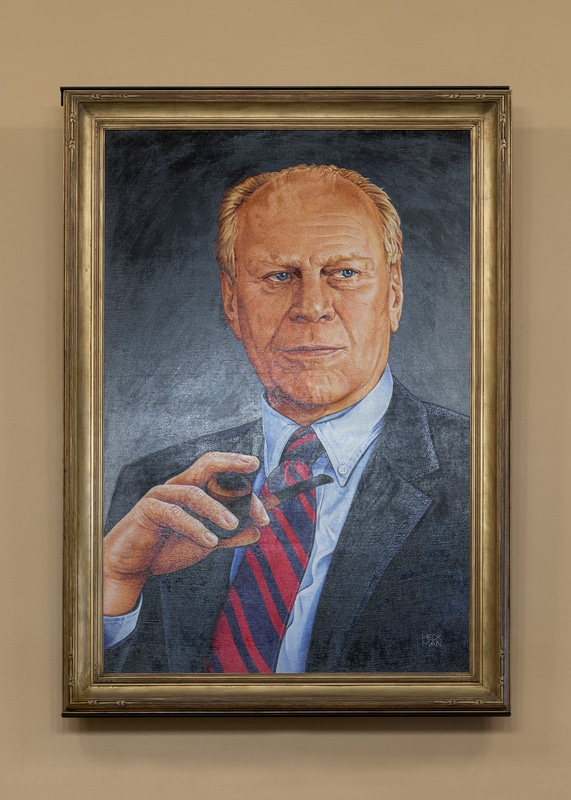
Gerald Ford portrait in the Michigan State Capitol at 100 N Capitol Avenue in Lansing, Michigan | ID 103716497 © Glenn Nagel | Dreamstime.com
ID 103716497 © Glenn Nagel | Dreamstime.com

⬅ See all events from 22 September

Spread the word on your favourite platform!
True Crime Scene Tape

1933: The Michigan City Breakout: Ten Men Escape Using Guns Smuggled by John Dillinger

On September 22, 1933, ten prisoners broke out of the Indiana State Prison at Michigan City in a violent escape that killed two guards. The breakout was planned from inside by seasoned bank robber Harry Pierpont, with handguns smuggled to the crew by John Dillinger, freshly paroled after nine years behind bars, using arrangements made by Pierpont’s girlfriend.

In a strange twist, Dillinger himself was not among the men who walked free that day. Just days earlier he had been arrested and jailed in Dayton, Ohio, meaning his former cellmates had to turn around and break him out shortly after springing themselves. The escapees would go on to form the core of the notorious Dillinger gang, launching a violent crime spree across the American Midwest.

A Government agent later wrote that Dillinger’s career “graphically illustrates the inadequacies of our system,” noting that nine years in prison had done nothing to rehabilitate a man determined to become a professional bank robber.

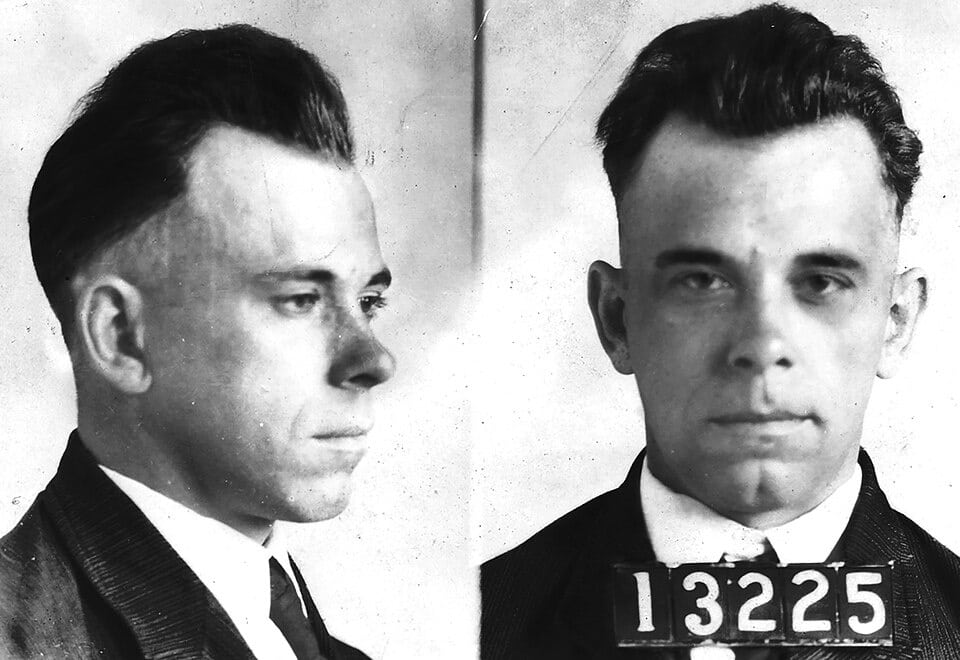
John Dillinger 1924 mugshot

⬅ See all events from 22 September

Spread the word on your favourite platform!
True Crime Scene Tape

1656: Never Pregnant, Never Guilty: Colonial America’s First All-Female Jury Acquits an Accused Child-Killer

In September 1656 the General Provincial Court at Patuxent, Maryland impanelled the first all-woman jury in the American colonies to try Judith Catchpole, an indentured maidservant accused of murdering her newborn child. The accusation came from a fellow passenger on the voyage from England, who also claimed she had cut a sleeping woman’s throat and stabbed a seaman in the back, then, in the same breath, that she had stitched the throat wound closed before the victim woke and rubbed grease on the seaman’s wound to bring him back to life.

The jury of seven married and four single women was chosen specifically because the case turned on medical evidence only women could assess: whether Catchpole’s body showed any sign of having recently given birth. Their physical examination found no such evidence, and witnesses testified that her accuser, who had died before the trial, was not of sound mind.

Catchpole’s defence rested on a simple claim: she had never been pregnant at all. With no proof of childbirth and the accuser’s own tales dismissed as delusional talk of witchcraft, the jury acquitted her of every charge.

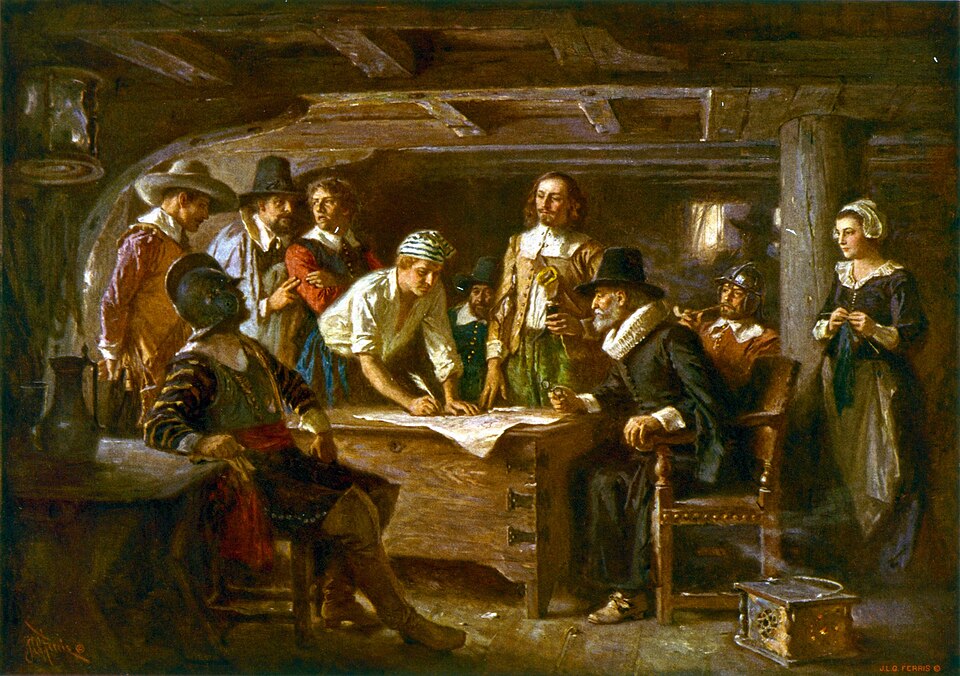
Maidservant 17th Century.

⬅ See all events from 22 September

Spread the word on your favourite platform!
True Crime Scene Tape
On This Day in True Crime History

Subscribe to Dark Stories

True crime stories, dark history and tour news, straight to your inbox.