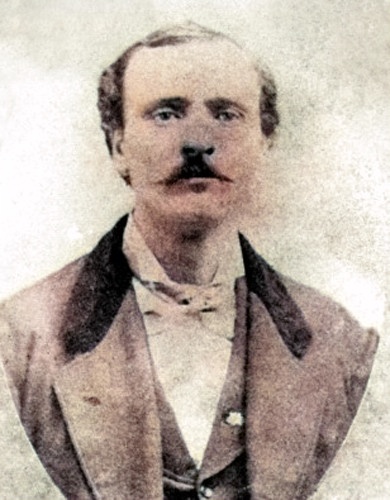
John Billington had been a troublemaker since the Mayflower crossing, defying Myles Standish and drawing accusations in a colony revolt, always insisting he was innocent. In 1630 a long feud over land boundaries turned fatal when he ambushed and shot fellow colonist John Newcomen, reportedly after catching him robbing his traps.

A grand and petty jury found Billington guilty of willful murder. Governor William Bradford, wary of setting a precedent, consulted the leaders of the neighbouring Massachusetts Bay Colony, who agreed the killing had to be answered to purge the land from blood. Billington was hanged on 30 September 1630, becoming the first person executed in Plymouth Colony. His burial place was never recorded.
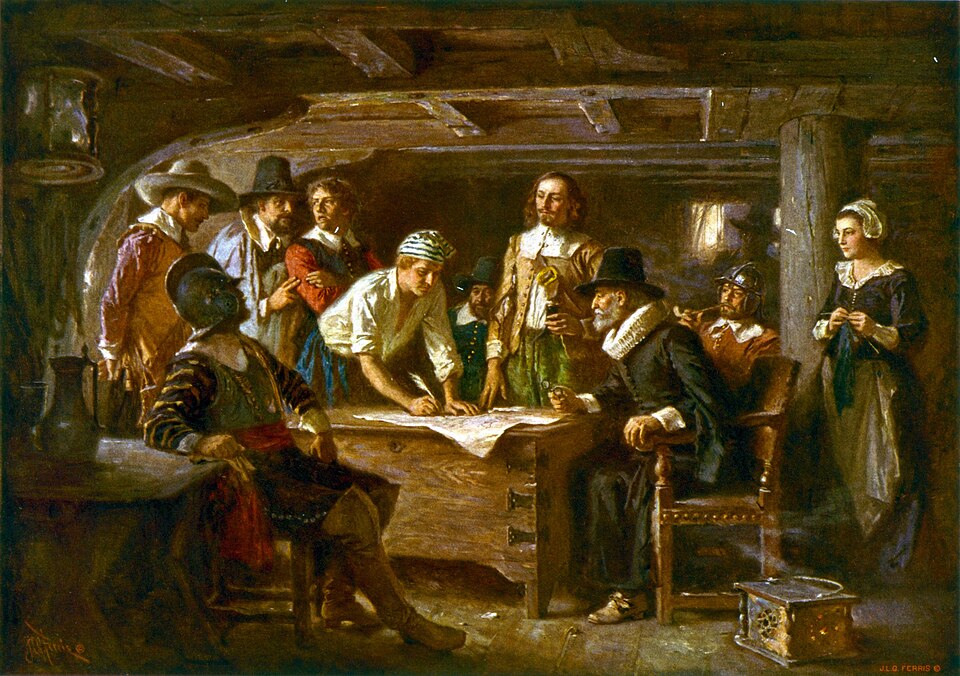

Mayflower Compact 1620 handwritten agreement document

⬅ See all events from 30 September

Spread the word on your favourite platform!

William Miller, a labourer at Hawkesbury near Sydney, attacked Bridget Horan (also recorded as Kean) with a hoe on the afternoon of 18 September 1805. Minutes later he ran to a neighbour and blurted out the truth: "Yes: I have killed Biddy, and am going to deliver myself up." He then led the chief constable straight to her body himself, the hoe still lying beside it.

At his trial before the Court of Criminal Jurisdiction in Sydney, Miller pleaded not guilty to acting with malice, insisting the killing had come from unbridled momentary rage rather than intent. The court was unconvinced. He was convicted and hanged on 30 September 1805, his body afterwards handed over for dissection.

Witnesses said Miller never wavered from his confession, going to the gallows with what observers called sincere repentance, seemingly resigned that only his own death could answer for hers.

Rustic garden hoe in dirt.

⬅ See all events from 30 September

Spread the word on your favourite platform!

Eliza Benwell was housemaid at an inn in New Norfolk, near Hobart, where fellow servant Jane Saunders worked alongside her. In January 1845 three of the inn's male servants seized Saunders in the garden during what began as friendly play, stuffed a handkerchief into her mouth and dragged her, apparently lifeless, down to the river. Benwell stood by and watched it happen, then waited at the house for the men to return before letting them in.

The three killers were tried and hanged first. Benwell was convicted separately as an accessory before and after the fact, a charge carrying the same capital sentence as murder itself. She was hanged before a huge crowd on 30 September 1845, closing her eyes on the scaffold so she would not have to look at the spectators, reportedly the first woman executed in the city in fifteen years.

On the eve of her death she confessed that she could have saved Saunders's life had she known a murder was intended.

Hobart, Tasmania, Australia - December 24 2016: Hobart city and derwent river viewed from suburb of sandy bay with sea mist rolling over eastern shore | ID 130062583 © Andrew Balcombe | Dreamstime.com
ID 130062583 © Andrew Balcombe | Dreamstime.com

⬅ See all events from 30 September

Spread the word on your favourite platform!

Timothy Sullivan lived with an elderly shepherd named Daniel Harrington at King's Plains, near Carcoar in the Bathurst district. On the night of 4 June 1852, neighbours were woken by Sullivan himself shouting "robbers, robbers" from his hut. When a neighbour, Daniel Healy, ran to help, he found no robber, only Sullivan raining blows on the old man with a heavy weapon he then hurled onto the roof. Harrington, barely alive, managed to whisper his own name before he died.

At the Bathurst Assizes the judge dismissed the robbery story as invention, noting that nothing had actually been stolen and that the wounds showed deliberate, prolonged violence. Convicted of wilful murder, Sullivan was hanged on 30 September 1852; the drop was so severe it very nearly tore his head from his body.

On the scaffold a priest read a statement on Sullivan's behalf: he claimed he had rushed out in the dark with a flesh fork believing a robber was near, striking blindly, and insisted "he did not know it was Harrington he was wounding."

Sandstone building in Carcoar

⬅ See all events from 30 September

Spread the word on your favourite platform!

In October 1851, at a shearers' hut on a station on the Castlereagh, a Chinese labourer named John Newing burst in armed with a shear blade lashed to a pole and stabbed a fellow countryman, Hing, in the groin. Bystanders wrenched the weapon from him, but he returned with two knives before he could be disarmed again, and Hing bled out within minutes.

At his trial at Bathurst in August 1852, defence counsel argued there had been no intent to kill, telling the court that Newing himself had said he aimed only for the knees. The jury was unmoved and returned a verdict of guilty, and Newing was sentenced to death without hope of mercy. He went to the gallows the following month alongside an unrelated condemned man, Timothy Sullivan, in an execution remembered chiefly for how badly it was botched.

Unable to speak or understand English, and with no interpreter willing to attend him at the end, Newing left no final statement and died in silence.

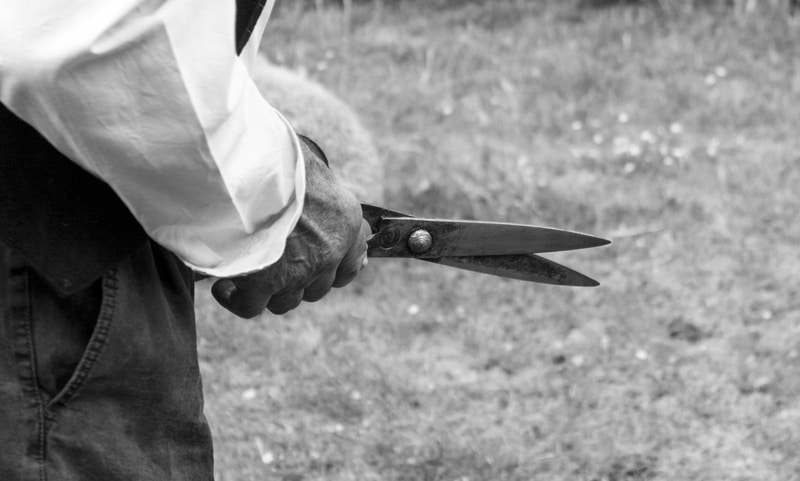
Sheep shearer scissors.

⬅ See all events from 30 September

Spread the word on your favourite platform!

Martin Rice was a former steeplechase jockey with a reputation for violence when he picked a fight with Anthony Green, a well-known horse trainer, over the shoeing of a horse at Kirk's Bazaar off Bourke Street in Melbourne. Green struck him once, told him to leave, and Rice wept and walked away, muttering that he would have his revenge.

Half an hour later, as Green stooped to check a horse's foot with his back turned, Rice crept up behind him and drove a blacksmith's hammer into his skull. Green lingered barely a day before dying, telling a friend he had heard his own bones crack. A coroner's jury found the gap between the insult and the blow proved deliberate malice, not sudden provocation, and Rice was convicted of wilful murder at the Supreme Court and hanged at Melbourne Gaol.

On the scaffold Rice asked to speak, insisting he had borne no malice toward Green and had never meant to kill him.

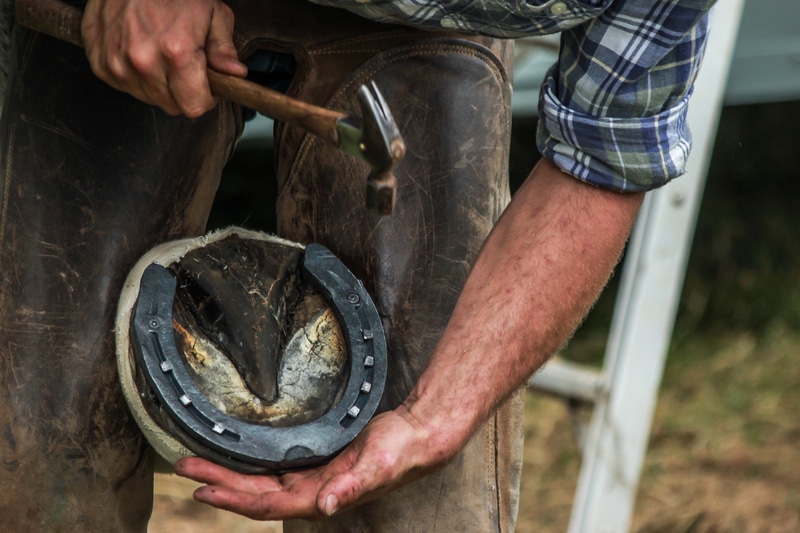
From shoeing a horse to murder

⬅ See all events from 30 September

Spread the word on your favourite platform!

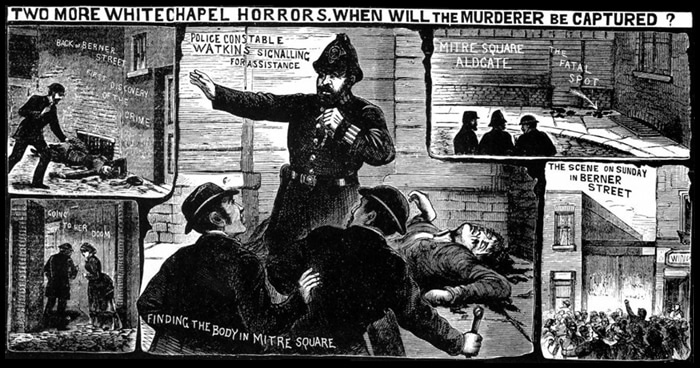
In the early hours, the killer known as Jack the Ripper struck twice within the same hour. His third victim, Elizabeth Stride, was found with her throat cut and still bleeding, her killer likely interrupted before he could mutilate her further. Denied his ritual, he found a fourth victim within the hour: Catherine Eddowes, whose body was left with her intestines arranged over her shoulder and part of her womb removed.

Weeks later, a Londoner opened a parcel addressed simply "From Hell" to find half a preserved kidney inside, accompanied by a taunting letter. Tests suggested it may have belonged to Eddowes herself, though the claim was never proven and the killer was never caught.

Murders of Liz Stride and Catherine Eddowes

⬅ See all events from 30 September

Spread the word on your favourite platform!

John Rheuben had lived with Fanny Hardwick for two years, supporting her mother and child, until he turned her out and she took up with another man. Furious at her refusal to return, he beat his rival twice, threatened to "do for him", and quietly sharpened a sheath knife at the local gasworks. On a Sunday evening in Rockhampton he forced his way into the house where she was staying, dragged her into a back bedroom, and stabbed her five or six times, one wound reaching her heart.

Tried before Mr Justice Power, Rheuben was convicted despite a defence of temporary insanity, and a petition for mercy signed across Rockhampton failed to move the Executive. He was hanged in Brisbane on 30 September 1901, praying loudly on the drop and thanking the warders for their kindness before the trap fell.

He never admitted the killing outright. To his priest he said only that he had been "mad drunk" and remembered striking at someone, but nothing more.

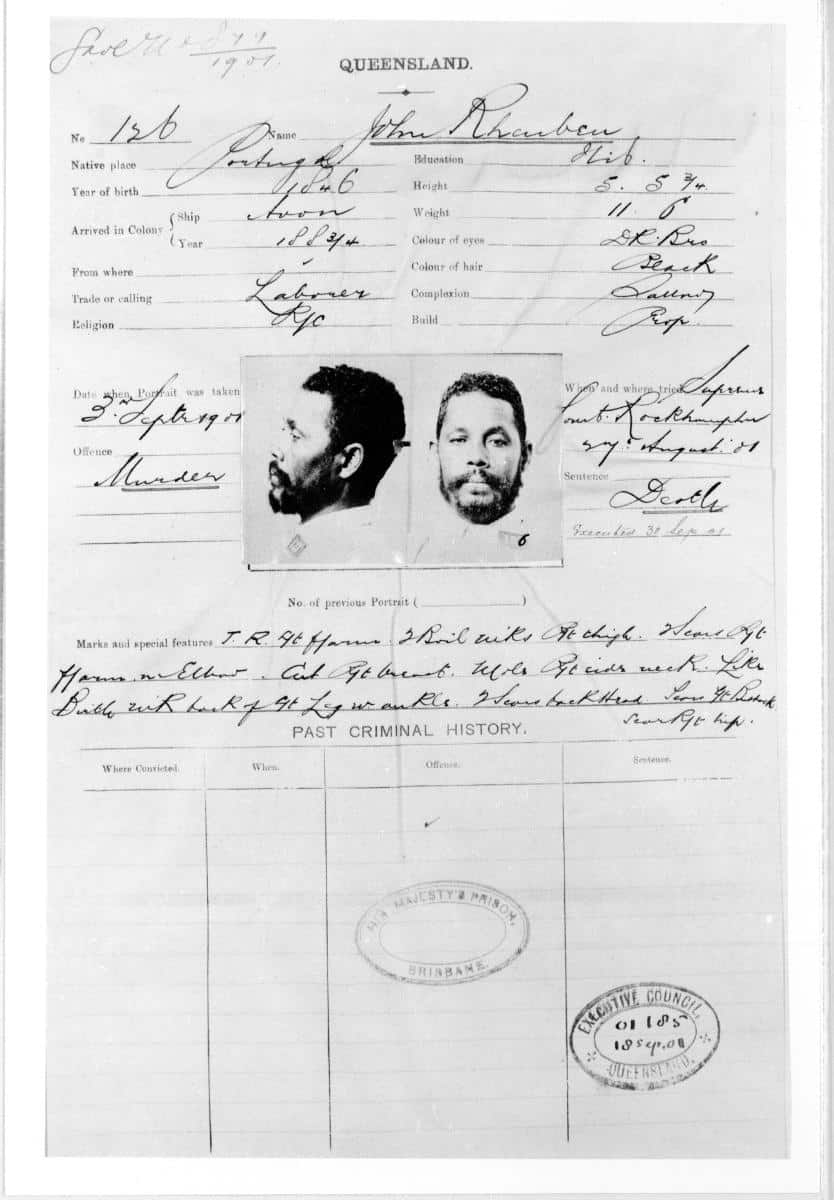
John Rheuben Criminal Record

⬅ See all events from 30 September

Spread the word on your favourite platform!
On This Day in True Crime History

Subscribe to Dark Stories

True crime stories, dark history and tour news, straight to your inbox.