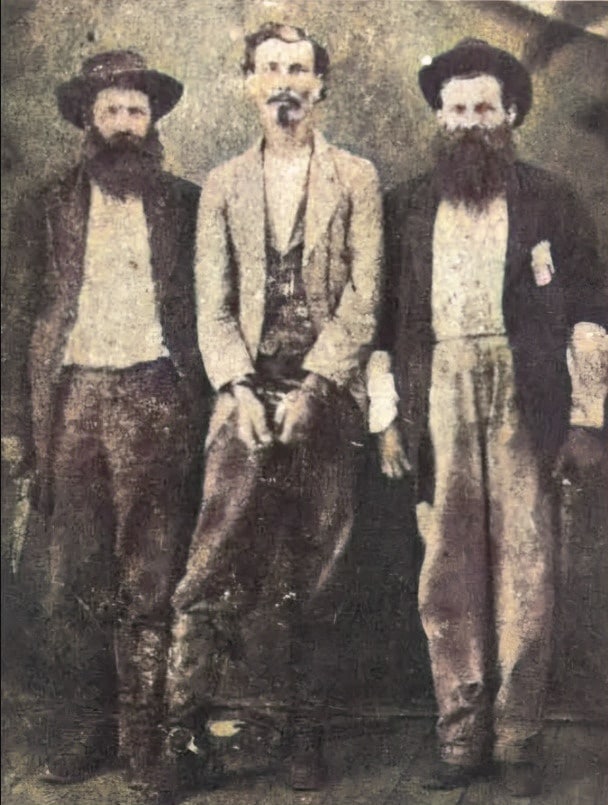
Five months after his brother Jesse James was gunned down in 1882, Frank James boarded a train to the Missouri state capital and laid his revolver in the hands of Governor Crittenden. “I have been hunted for twenty-one years,” he said, “have literally lived in the saddle… It was one long, anxious, inexorable, eternal vigil.” He added that he had never let another man touch his gun since 1861.

Tried for only two of the gang’s robberies and killings, in Missouri and Alabama, James was acquitted both times, helped by testimony from a former Confederate general. He was never extradited over the infamous Northfield raid and never spent a day in prison. He spent his remaining three decades as a shoe salesman, a racetrack official and a tour guide on the old family farm, where he died in 1915 at the age of 72.
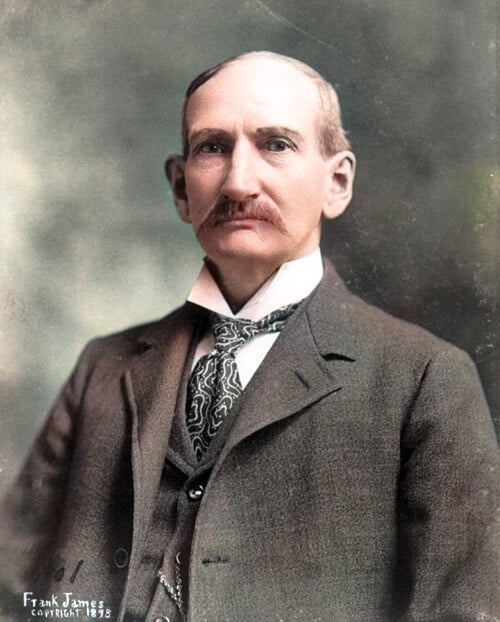

Frank James outlaw and criminal figure

⬅ See all events from 5 October

Spread the word on your favourite platform!

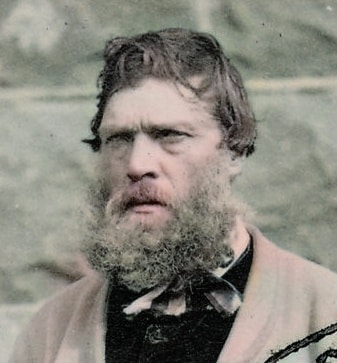
In October 1993, a local man out gathering firewood stumbled on human remains in a remote corner of Belanglo State Forest. The bones belonged to Deborah Everist and James Gibson, a Melbourne couple missing since 1989.

What unsettled investigators was that Gibson’s camera and backpack had already turned up years earlier, dumped by the roadside at Galston Gorge, more than 120 kilometres from where his body finally lay. Within weeks, a wider search of the forest uncovered four more young backpackers buried nearby, confirming Belanglo as the burial ground of a serial killer.

Belanglo State Forest

⬅ See all events from 5 October

Spread the word on your favourite platform!

Thursday, October 4, 1582, went to bed as normal. The next morning, by papal decree, it was Friday, October 15. Pope Gregory XIII had just deleted ten days from the lives of everyone in the lands that adopted his new calendar, not through war or plague but with a stroke of the pen.

The old Julian calendar, running since Julius Caesar set it up in 45 BCE, drifted by about a day every century, slowly dragging the spring equinox out of place. Gregory’s fix was elegant on paper and bewildering in practice: landlords demanded a full month’s rent for a fortnight no one had lived through, wages fell short, and in some towns crowds accused the Church of stealing their days outright. The new rule that century years are only leap years if divisible by 400 quietly corrected the error for good, and the dates we live by today are still Gregory’s.

The Time Thief
The Time Thief

⬅ See all events from 5 October

Spread the word on your favourite platform!

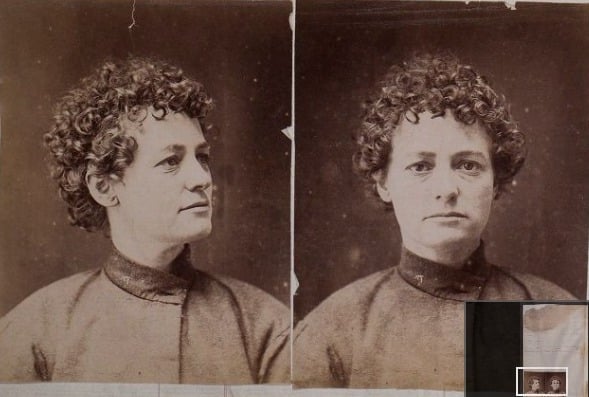
Henry Needle was a robust carpenter until 1889, when he began suffering violent, unexplained vomiting at the family home in Richmond, near Melbourne. His doctor once found untouched broth and jelly by his bed, and noted Henry had grown strangely wary of food prepared by his wife, Martha. He died on 4 October 1889; his death was recorded as hepatitis, no post-mortem was ordered, and no suspicion touched the devoted nurse at his side.

The truth emerged five years later, after police caught Martha handing a laced cup of tea to another man and Henry’s body was exhumed and found packed with arsenic, along with the bodies of the couple’s three young children, all of whom had died in her care under equally mysterious circumstances. Martha Needle was hanged at Melbourne Gaol in October 1894 for the poisoning of her fiance’s brother, the last of at least five family members she is believed to have killed.

Martha Needle: Public Record Office Victoria, VPRS 516/P0000, Central Register of Female Prisoners, register nos. 5926–6415 (1891–1896).

⬅ See all events from 4 October

Spread the word on your favourite platform!
On This Day in True Crime History

Subscribe to Dark Stories

True crime stories, dark history and tour news, straight to your inbox.