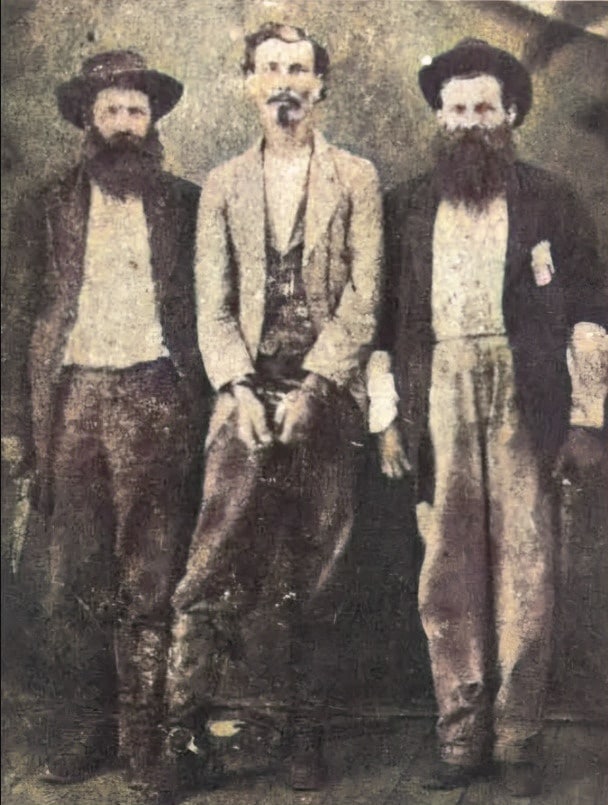
Henry Facey Hurst, the pioneer settler after whom Hurstbridge in Victoria was later named, was feeding a hungry stranger at his station near Diamond Creek on the morning of 4 October 1866 when his sister spotted a revolver hidden under the man’s coat. Hurst quietly loaded his own gun and confronted him. Offended at what he called an insult, the stranger leapt up and announced, “I am a bushranger”: Robert Burke. Burke tried to fire first, but the cap misfired; Hurst got his shot away, and Burke then fired three rounds of his own, one tearing into Hurst’s stomach and lodging in his own leg.

Though mortally wounded, Hurst clung to Burke until a friend, Joseph Abbott, wrestled the bushranger down and tied him with a halter. Hurst bled to death that evening. Burke was convicted of wilful murder, though the jury recommended mercy on the grounds that Hurst had fired the first shot. He was hanged at Melbourne Gaol.
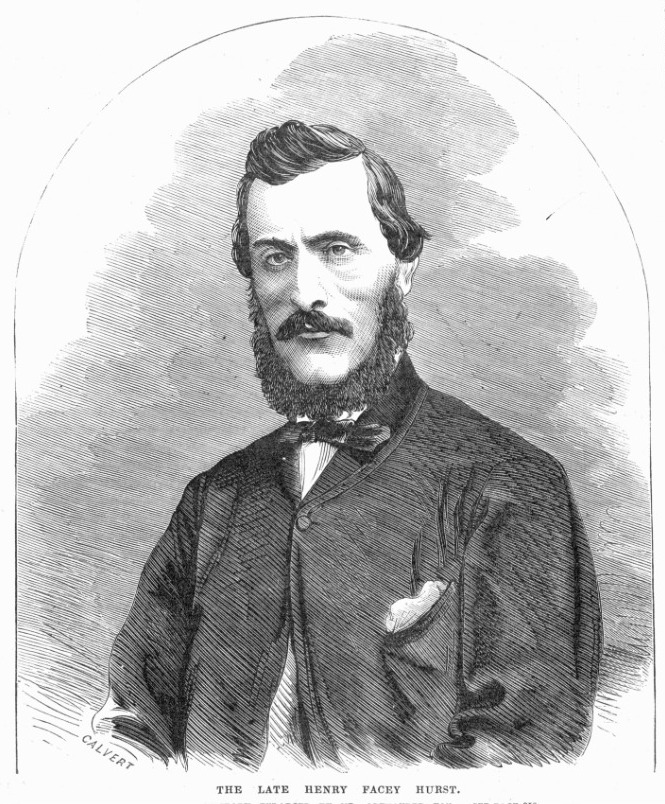

The late Henry Facey Hurst, engraving by Samuel Calvert, 27 October 1866. State Library Victoria, IMP27/10/66/356.

⬅ See all events from 4 October

Spread the word on your favourite platform!

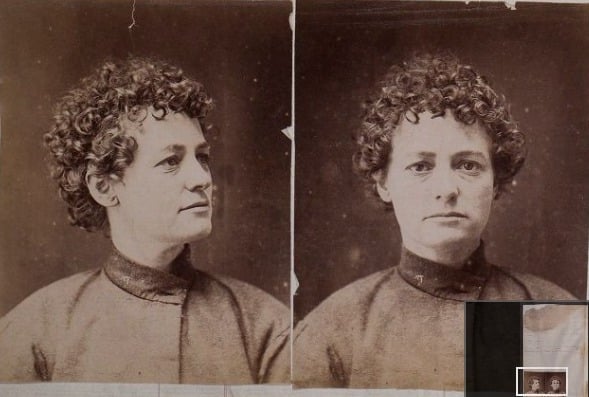
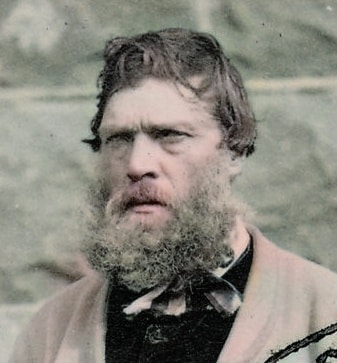
Henry Needle was a robust carpenter until 1889, when he began suffering violent, unexplained vomiting at the family home in Richmond, near Melbourne. His doctor once found untouched broth and jelly by his bed, and noted Henry had grown strangely wary of food prepared by his wife, Martha. He died on 4 October 1889; his death was recorded as hepatitis, no post-mortem was ordered, and no suspicion touched the devoted nurse at his side.

The truth emerged five years later, after police caught Martha handing a laced cup of tea to another man and Henry’s body was exhumed and found packed with arsenic, along with the bodies of the couple’s three young children, all of whom had died in her care under equally mysterious circumstances. Martha Needle was hanged at Melbourne Gaol in October 1894 for the poisoning of her fiance’s brother, the last of at least five family members she is believed to have killed.

Martha Needle: Public Record Office Victoria, VPRS 516/P0000, Central Register of Female Prisoners, register nos. 5926–6415 (1891–1896).

⬅ See all events from 4 October

Spread the word on your favourite platform!

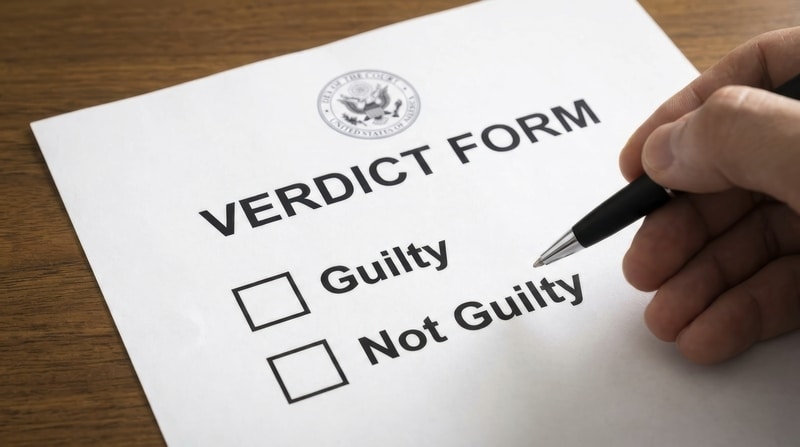
O.J. Simpson, the former football star, stood accused of murdering his ex-wife Nicole Brown Simpson and her friend Ronald Goldman outside her Los Angeles home in June 1994. The trial became a media spectacle, dominating television and public debate across the United States and beyond. The defense seized on a single moment: prosecutors had Simpson try on the bloody glove found at the scene, and it appeared too tight to fit. Defense attorney Johnnie Cochran turned the moment into a rallying cry, “If it doesn’t fit, you must acquit,” and on October 3, 1995, the jury returned a not guilty verdict after less than four hours of deliberation.

If It Doesn't Fit, You Must Acquite
If It Doesn’t Fit, You Must Acquite

⬅ See all events from 3 October

Spread the word on your favourite platform!

In July 1960, nine-year-old Graeme Thorne was snatched from a street in Sydney‘s Bondi, Australia’s first known kidnap for ransom case, and murdered within a day. His body turned up six weeks later at Seaforth, wrapped in a picnic blanket that would ultimately betray his killer.

Forensic scientists traced the rare blanket through its manufacturer, dyed Pekingese hairs, two uncommon tree species and flecks of pink mortar to a house at Clontarf owned by Hungarian immigrant Stephen Bradley. By the time police called on 3 October, Bradley had already sailed for England; he was arrested when his ship reached Ceylon and extradited to stand trial. He claimed the boy had simply suffocated in his car boot, a story investigators demolished by rigging a breathing mask to the same boot and drawing air from it for seven hours straight.

Bradley pleaded not guilty to murder but admitted the kidnapping and had earlier signed a confession he later retracted. He was sentenced to life imprisonment and died in custody seven years later.

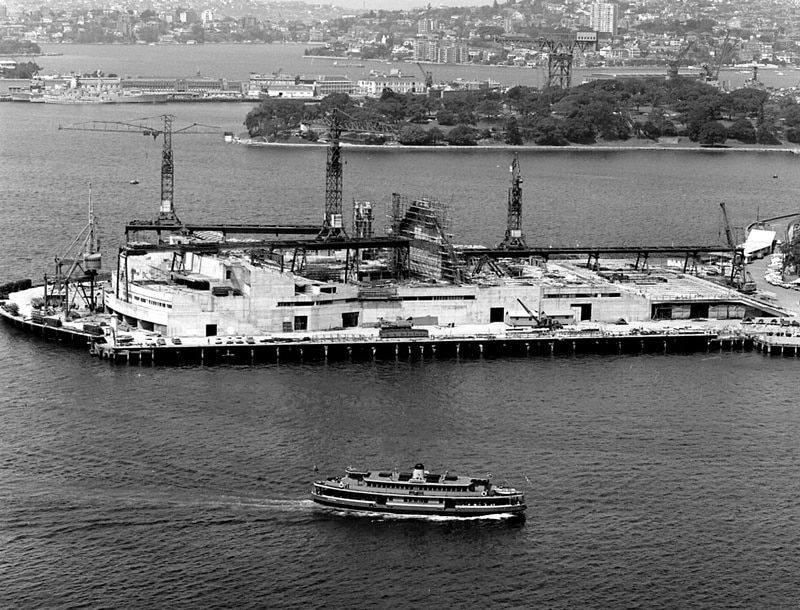
Sydney Opera House under construction in 1963.

⬅ See all events from 3 October

Spread the word on your favourite platform!
On This Day in True Crime History

Subscribe to Dark Stories

True crime stories, dark history and tour news, straight to your inbox.