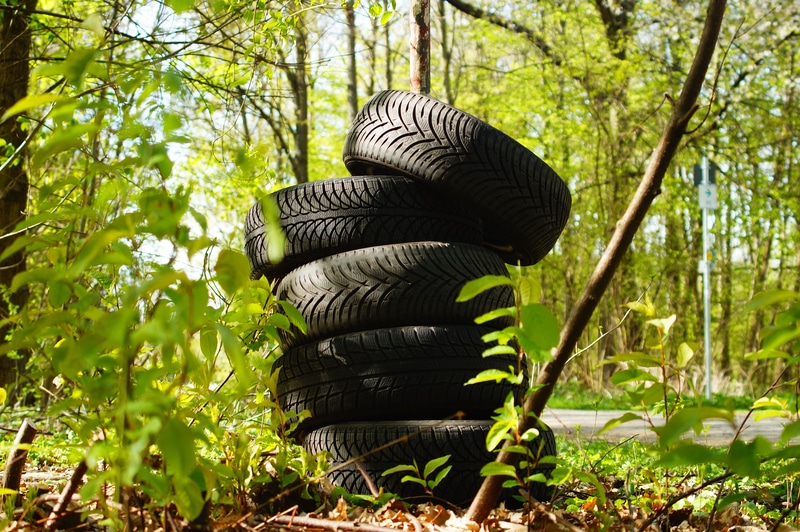
On this date in 1986, 22-year-old Mary Neilson visited a house on Moorhouse Street in Perth to buy car tyres advertised for sale. The advertisement was a trap. David and Catherine Birnie held her captive before taking her to nearby bushland, where they murdered her.
Mary was the first of at least four women killed by the couple over the following weeks. Their killing spree ended when a later captive escaped and alerted police, exposing the Birnies’ crimes and leading to their arrest.
John Jones, a hutkeeper on a station near Mount Joy in South Australia’s remote Eyre Peninsula, was found dead in his hut in May 1860, his skull broken and the hut stripped of flour, tea and clothing. The accused was convicted at the Supreme Court in Adelaide largely on the testimony of a young companion who admitted taking part in the killing himself.
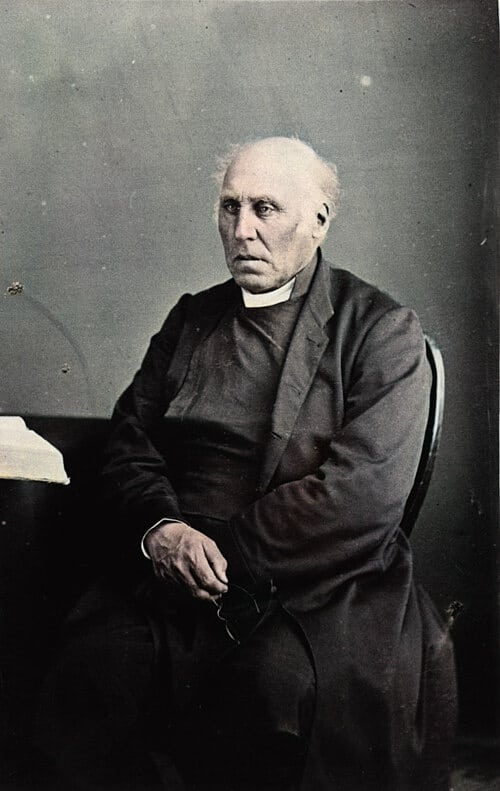
Before the execution, around 400 citizens, headed by the Lord Bishop of Adelaide, signed a memorial asking the government to remit the death sentence. He had been tried and condemned under British law newly imposed on his people, with little understanding of its workings; the petition failed regardless. He was taken back across the Eyre Peninsula and hanged at Streaky Bay on 5 October 1860, near the district where the killing had occurred
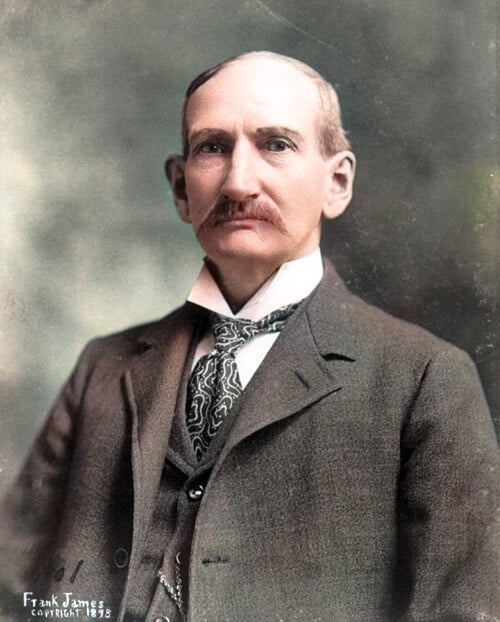
Five months after his brother Jesse James was gunned down in 1882, Frank James boarded a train to the Missouri state capital and laid his revolver in the hands of Governor Crittenden. “I have been hunted for twenty-one years,” he said, “have literally lived in the saddle… It was one long, anxious, inexorable, eternal vigil.” He added that he had never let another man touch his gun since 1861.
Tried for only two of the gang’s robberies and killings, in Missouri and Alabama, James was acquitted both times, helped by testimony from a former Confederate general. He was never extradited over the infamous Northfield raid and never spent a day in prison. He spent his remaining three decades as a shoe salesman, a racetrack official and a tour guide on the old family farm, where he died in 1915 at the age of 72.
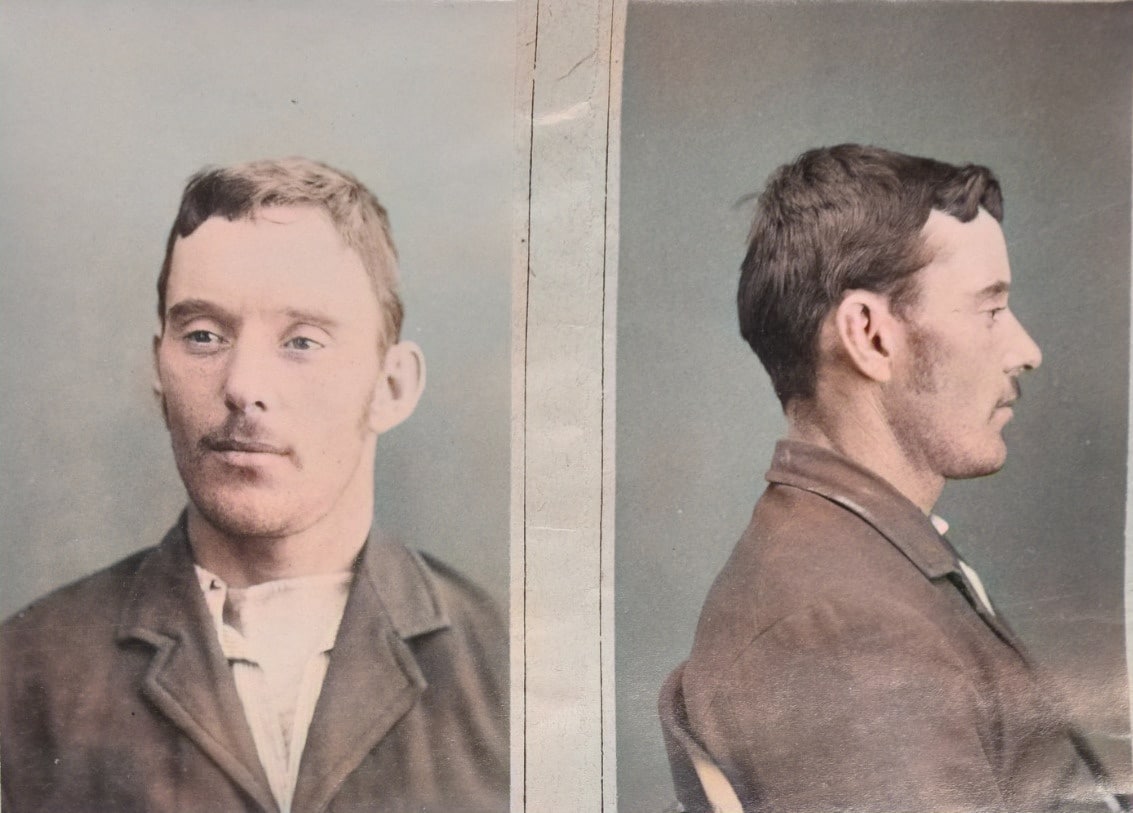
George Dean had already escaped the gallows once, pardoned after a Royal Commission cast doubt on the poisoning case against his wife, Mary. Then a North Shore chemist named Smith came forward, admitting he had sold Dean arsenic and strychnine after Dean claimed he needed a double dose and two poisons to deal with rats on his property.
On 5 October 1895 detectives approached Dean just as he stepped off his ferry at Sydney‘s Circular Quay, still dressed in his captain’s uniform, and arrested him again. “I wonder how many more times I shall be arrested over this affair,” he remarked, before going with the detectives.
Dean subsequently confessed in writing to poisoning his wife. He was convicted of perjury committed to procure his own acquittal and sentenced to fourteen years, while his former lawyer and others faced charges of conspiring to pervert the course of justice.
George Dean lemon syrup case. Prison photograph. Credit: Museums of History NSW, State Archives Collection.