1840: The Coorong Executions after the Maria Massacre

In June 1840, the ship Maria wrecked on Margaret Brock Reef off Cape Jaffa, South Australia. All twenty-six aboard reached shore, but the survivors later split into groups as they attempted to make their way towards Adelaide. Those travelling along the coast entered the territory of the local clan, where they were killed in a series of attacks. The remaining survivors were also pursued and subsequently killed.

Major O’Halloran, acting under orders, rounded up members of the local clan and conducted a summary field trial on the Adelaide frontier. Two men were hanged on 25 August 1840, in what colonial authorities framed as justice for the massacre, but which many historians regard as an act of punitive colonial retribution.
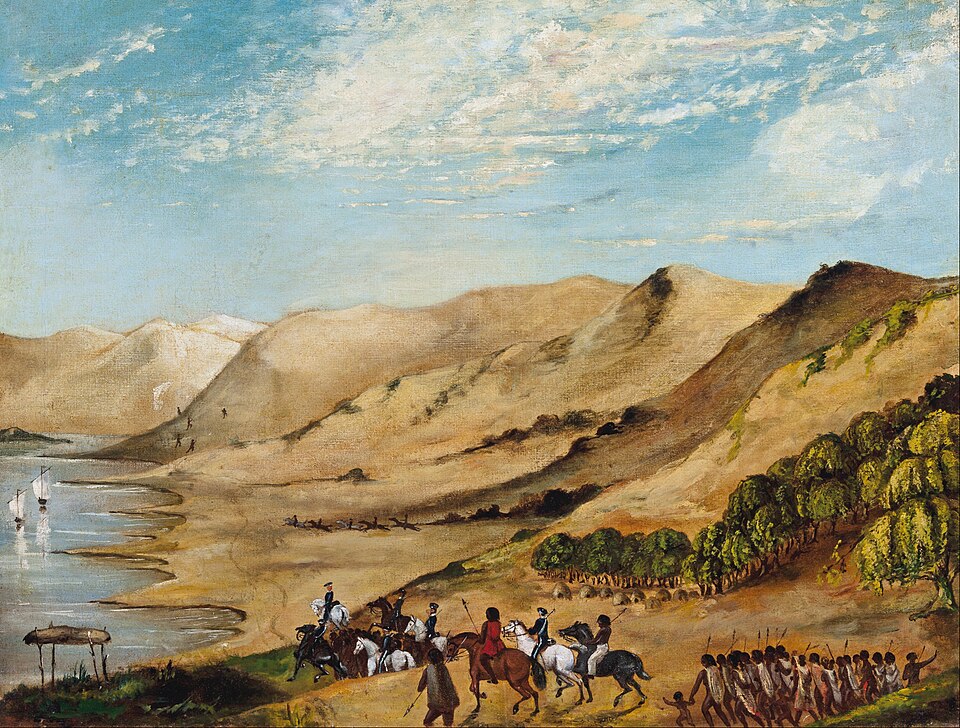

Major OHallorans 1840 expedition scene with mounted party

⬅ See all events from 25 August

Spread the word on your favourite platform!

1572: The Red Wedding in St Bartholomew

On August 18, 1572, Protestant Henry of Navarre married Catholic Margaret of Valois in Paris, a union designed to end the bloody civil war between France’s Catholics and Huguenots. The peace did not hold. Just days later, on August 24, King Charles IX, acting under the influence of Catherine de’ Medici, authorised a wave of targeted killings against Protestant leaders in Paris.

What began as a series of assassinations spread into mass mob violence across France. Estimates of the death toll range from thousands to as many as 50,000, as Catholic mobs hunted down Huguenots in city after city. The wedding that was meant to unite a fractured nation had become the prelude to one of the worst religious massacres in European history.

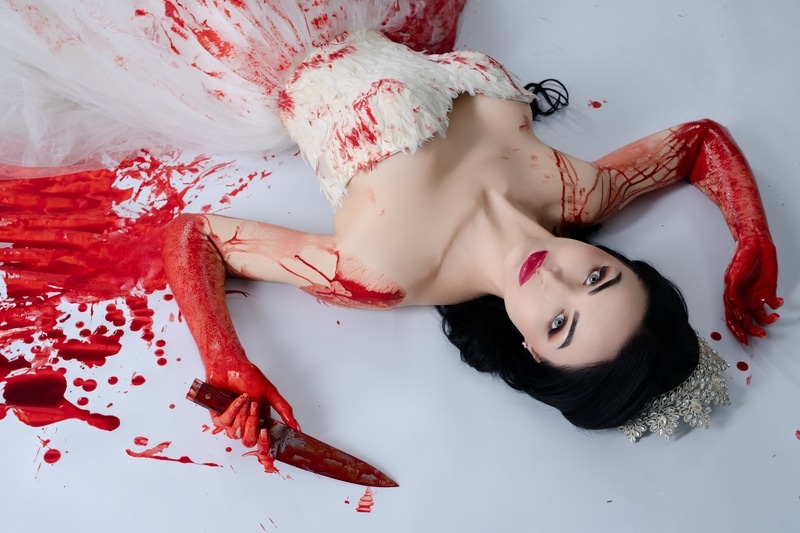
Blood-soaked bride in lingerie holding knife lying on floor

⬅ See all events from 24 August

Spread the word on your favourite platform!

991: Ealdorman Byrhtnoth Killed as Vikings Crush the Saxons at Maldon

On 11 August 991, a Viking force under Norwegian king Olaf Tryggvason met the Anglo-Saxon fyrd of Essex at Maldon, on the Essex coast. Ealdorman Byrhtnoth, around sixty years old and said to stand nearly seven feet tall with swan-white hair, commanded the Saxon defence. In a fateful act of chivalric pride, he permitted the Vikings to cross a tidal causeway to fight on open ground. The decision proved catastrophic: Byrhtnoth fell in the battle, reportedly taking three men to kill, one of them nearly severing his arm.

The defeat became one of the defining disasters of late Anglo-Saxon England, accelerating the payment of Danegeld to Viking raiders. Byrhtnoth was buried at Ely Abbey, a monastery he had richly endowed with villages and lands. His widow presented the abbey with an embroidered tapestry commemorating his deeds. The battle inspired a celebrated Old English poem, and when his remains were examined in 1781, his skeleton confirmed the legendary stature: 6 feet 9 inches in height.

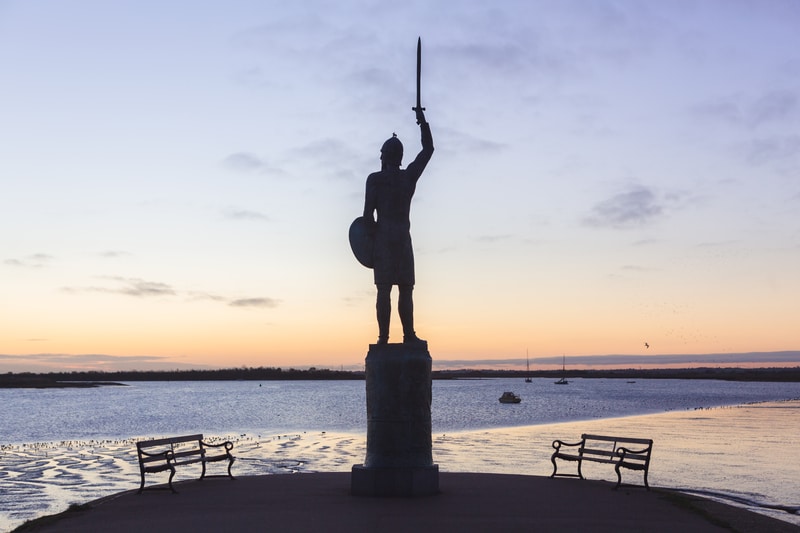
The Statue of Byrhtnoth at the end of Maldon Promenade in Essex, England | ID 211153857 © Jonathanritchie1990 | Dreamstime.com
ID 211153857 © Jonathanritchie1990 | Dreamstime.com

⬅ See all events from 11 August

Spread the word on your favourite platform!

1987: The Hoddle Street Massacre: Seven Dead in Melbourne Shooting Rampage

On the evening of 9 August 1987, 19-year-old Julian Knight opened fire on motorists and pedestrians along Hoddle Street in Clifton Hill, a suburb of Melbourne, killing seven people and seriously injuring 19 others. Knight had been discharged from the Royal Military College, Duntroon just 16 days earlier following a fight and stabbing at a bar. He returned home to find his girlfriend had left him and his mother had converted his bedroom. Armed with multiple weapons, he took to the street.

After a police chase lasting more than 30 minutes, Knight was caught in nearby Fitzroy North and arrested. He was later sentenced to seven concurrent life terms, with a non-parole period of 27 years, for what the presiding judge described as ‘one of the bloodiest massacres in Australian history’. As Knight neared parole eligibility in 2014, the Victorian Government amended the Corrections Act to prevent his release unless he was in imminent danger of dying or physically incapable of causing harm.

The Hoddle Street Massacre: Seven Dead in <a href='https://darkstories.com.au/melbournes-true-crime-tour/' target='_blank' rel='noopener noreferrer'>Melbourne</a> Shooting Rampage” style=”max-width:50%; height:auto; display:block; margin:16px auto;”/></p>
<p style=⬅ See all events from 9 August

Spread the word on your favourite platform!
On This Day in True Crime History
1794·The First Free Settler Murdered in the Colony: Hanged at Sydney for a Parramatta Stabbing
1826·The Gun That Misfired Twice: Three Bushrangers Hanged Outside Sydney
1873·A Tearful Confession in Custody Cracked the Case: Two Men Hanged at Perth Gaol for Eating their Victim
1889·He Called It an Accident. The Jury Called It Murder: Robert Landells Hanged at Melbourne Gaol
1907·A Doctor Fooled Twice: Martha Rendell and the Second Child to Die of Diphtheria
2002·Shot Dead in His Own Bed: A Melbourne Gangland Killing Blamed on a Friend
More Crime On This Day →

Subscribe to Dark Stories

True crime stories, dark history and tour news, straight to your inbox.