1928: Clifford Hulme Hanged at Perth for the Wubin Murder

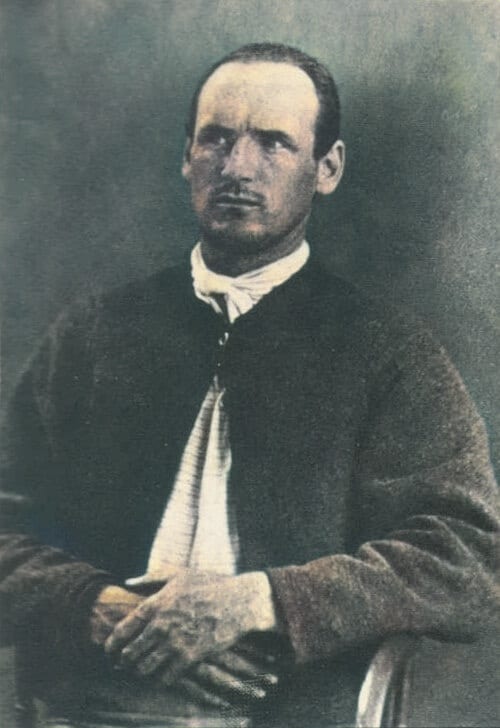
In June 1928, Clifford Hulme shot and killed Harold Eaton Smith at Wubin, a remote farming district north of Perth. The two men had been working together that afternoon. When Smith’s children went to bring their father his usual tea, they found Hulme approaching the house carrying a rifle. What followed included further attacks on Smith’s widow and children, crimes that shocked the court and compelled the Chief Justice to clear the public gallery before Mrs Smith gave her testimony.

Hulme’s defence rested on a plea of insanity, but the jury declared him sane and guilty. He received the death sentence without a word. He was executed on 3 September 1928.
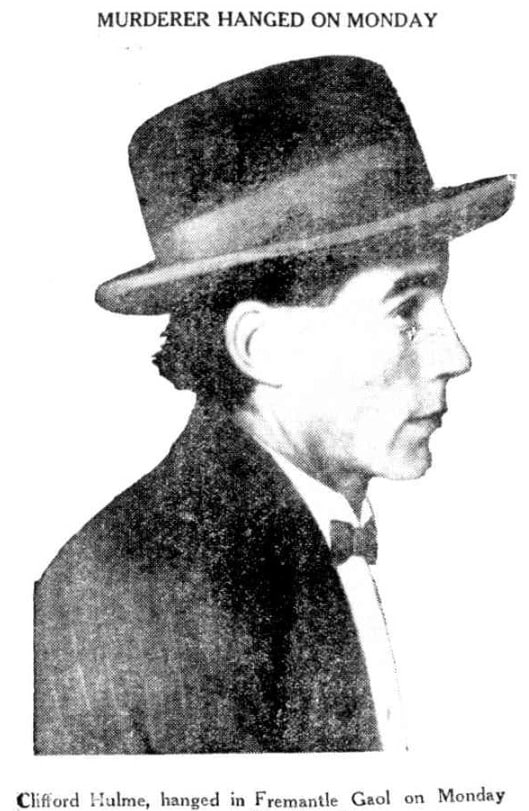

Clifford Hulme murderer hanged at Fremantle Gaol Monday morning

⬅ See all events from 3 September

Spread the word on your favourite platform!

1981: Andrei Chikatilo Resumes Killing After a Three-Year Pause

Soviet serial killer Andrei Chikatilo had committed his first murder in 1978, preying on young victims lured from rail stations and bus depots around Rostov-na-Donu. By 1981, after a three-year hiatus that investigators could scarcely explain, he resumed killing. Poverty and the decay of Soviet society made his victims easy to isolate: young people drifting toward cities with no contacts, no money, and no one to report them missing.

Chikatilo would not be caught for nearly another decade. In 1984, police briefly detained him but a botched blood typing test cleared him. He was convicted of theft and served three months. By 1990, when he was finally arrested, he had murdered at least 50 people. Soviet authorities had actively suppressed public warnings during the investigation, maintaining that serial murder was ideologically incompatible with communist society.

Aerial view of Rostov

⬅ See all events from 3 September

Spread the word on your favourite platform!

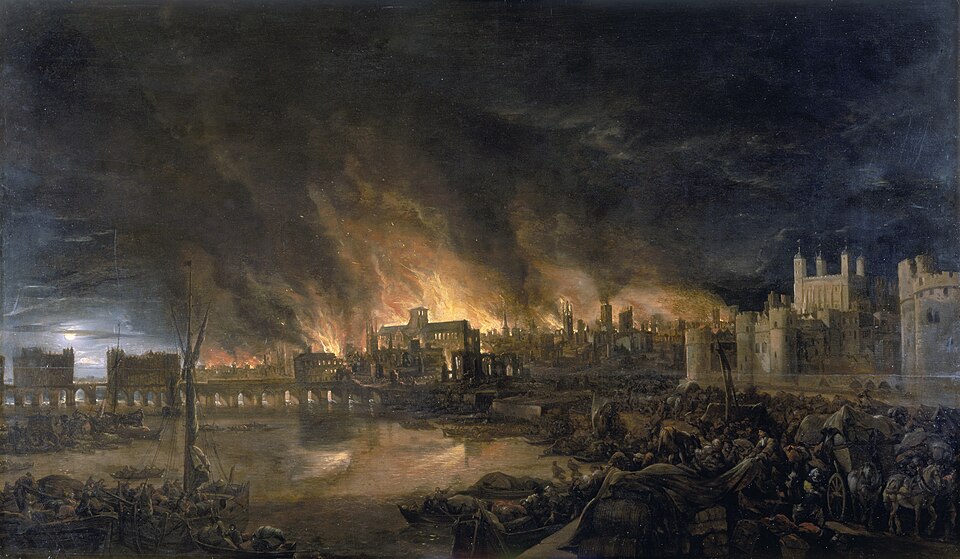
1666: The Great Fire of London Begins on Pudding Lane

In the early hours of 2 September 1666, a fire broke out at the Pudding Lane bakery of Thomas Farriner in the City of London. Driven by strong winds, the blaze consumed around 80 percent of the old city before it was brought under control on 6 September. Though attributed to an accident at the bakery, the disaster ignited a desperate search for culprits.

Robert Hubert, a French watchmaker from Rouen, confessed to starting the fire. His confession was riddled with impossibilities: he had not arrived in England until two days after the fire broke out, and he described throwing a fire grenade through a window at the Farriner bakery, which had no windows. With nationalism inflamed by the Second Anglo-Dutch War, a scapegoat was needed, and Hubert, a foreigner in a hostile city, was hanged for a crime he almost certainly did not commit.

The Great Fire of London

⬅ See all events from 2 September

Spread the word on your favourite platform!

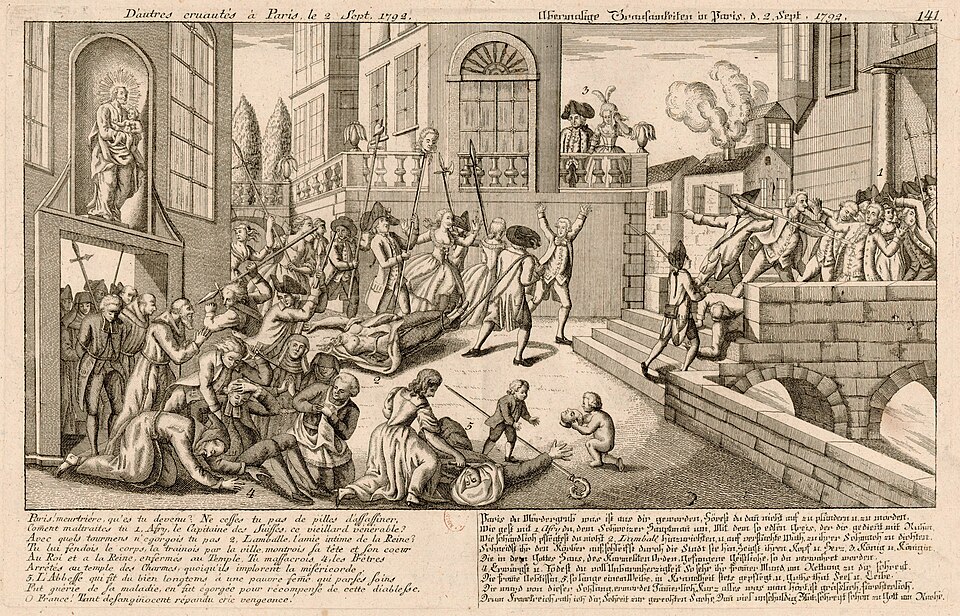
1792: The September Massacres begin in Paris

During the September Massacres of 1792, revolutionary crowds swept through Paris prisons and religious institutions, killing prisoners and others regarded as enemies of the Revolution.

At the Carmelite Convent, Roman Catholic clergy imprisoned for refusing to swear allegiance to the Civil Constitution of the Clergy were brought out and killed, among them several bishops.

The violence formed part of a broader wave of extrajudicial executions that engulfed Paris over several days, as fears of counter-revolution and foreign invasion fed a climate of panic and vengeance.

Those killed at the convent were later recognised by the Catholic Church as the Martyrs of September and were beatified in 1926.

Engraving showing the massacre of Princess de Lamballe

⬅ See all events from 2 September

Spread the word on your favourite platform!
On This Day in True Crime History

Subscribe to Dark Stories

True crime stories, dark history and tour news, straight to your inbox.