1973: The Stockholm Bank Siege That Gave Psychology a New Term

On 28 August 1973, Swedish police ended a six-day hostage crisis at Sveriges Kreditbanken in Stockholm by pumping tear gas into the vault where captors and hostages had been confined since 23 August. The standoff concluded not with gratitude but with something far stranger: the hostages insisted on leaving alongside their captors, fearing police would open fire, and then embraced them warmly as the ordeal ended.

The behaviour baffled investigators and onlookers alike. A psychiatrist advising Swedish police coined the term ‘Stockholm syndrome’ to describe the paradoxical emotional bonds that had formed between the captives and the people holding them at gunpoint. The phrase entered the psychological lexicon and has since been applied to hostage situations around the world.
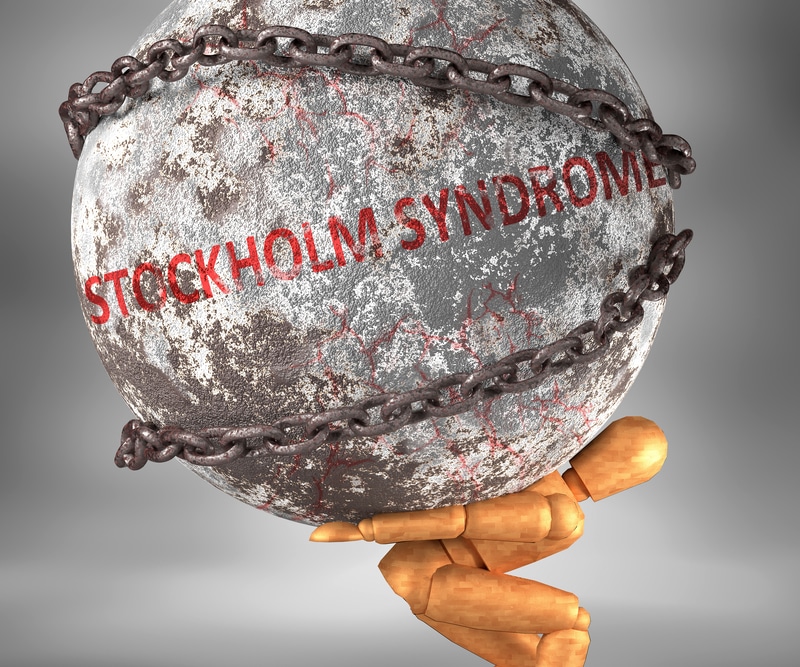

Stockholm Syndrome
Stockholm Syndrome

⬅ See all events from 28 August

Spread the word on your favourite platform!

1979: Mountbatten Killed by IRA Bomb Off the Irish Coast

On 27 August 1979, Lord Louis Mountbatten, 79, was killed when a bomb planted by the Provisional IRA detonated aboard his fishing boat, Shadow V, in the waters off Mullaghmore, County Sligo, Ireland. The bomb, concealed on the vessel the night before, was remotely detonated as Mountbatten and family members set out from the harbour. Three others died in the blast, including his 14-year-old grandson Nicholas Knatchbull and a 15-year-old local boy.

Thomas McMahon, an IRA bomb-maker, was arrested hours before the explosion on unrelated grounds and later convicted of the murders based on forensic evidence linking him to the boat. The attack was coordinated with the Warrenpoint ambush the same day, which killed 18 British soldiers, making 27 August 1979 one of the deadliest days for British forces during the Troubles.

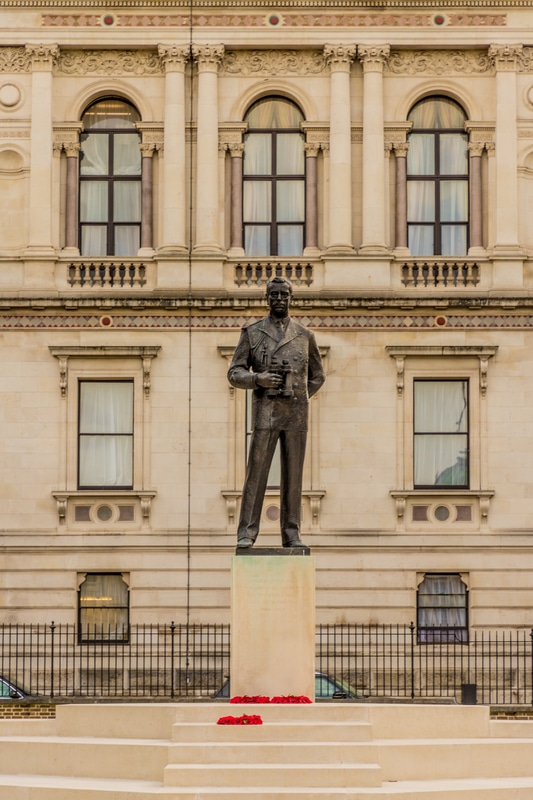
A typical view in London. London. October 2018. A statue of Lord Mountbatten in Horse guards parade in london | ID 130381623 © Chris Mouyiaris | Dreamstime.com
ID 130381623 © Chris Mouyiaris | Dreamstime.com

⬅ See all events from 27 August

Spread the word on your favourite platform!

1572: The Red Wedding in St Bartholomew

On August 18, 1572, Protestant Henry of Navarre married Catholic Margaret of Valois in Paris, a union designed to end the bloody civil war between France’s Catholics and Huguenots. The peace did not hold. Just days later, on August 24, King Charles IX, acting under the influence of Catherine de’ Medici, authorised a wave of targeted killings against Protestant leaders in Paris.

What began as a series of assassinations spread into mass mob violence across France. Estimates of the death toll range from thousands to as many as 50,000, as Catholic mobs hunted down Huguenots in city after city. The wedding that was meant to unite a fractured nation had become the prelude to one of the worst religious massacres in European history.

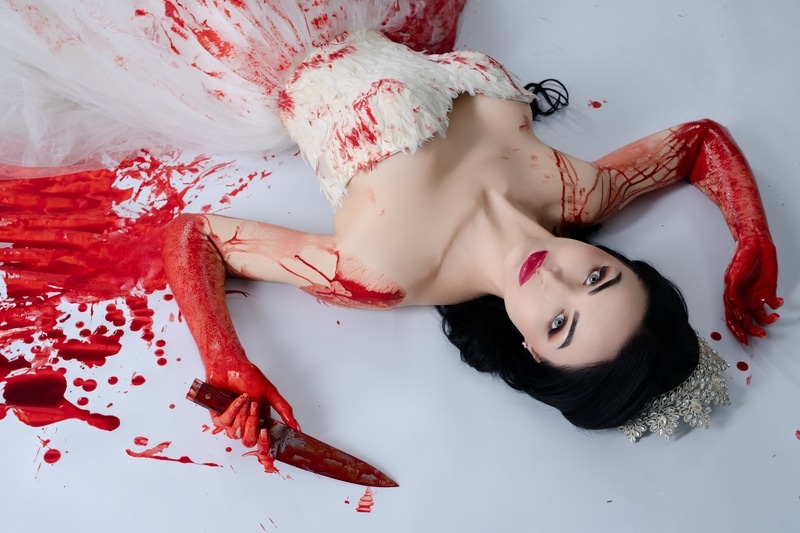
Blood-soaked bride in lingerie holding knife lying on floor

⬅ See all events from 24 August

Spread the word on your favourite platform!

1929: The Vampire of Dusseldorf Kills Two Foster Sisters at a Fairground

Peter Kurten, known as the Vampire of Dusseldorf, murdered two young foster sisters at a fairground on 23 August 1929, in one of a string of attacks that terrorised the city throughout that year. Born in Cologne in 1883, the eldest of 13 children, Kurten endured a childhood of brutal poverty and domestic terror, and had already demonstrated violent and sadistic tendencies from boyhood, including drowning two playmates on the Rhine at the age of nine.

His killing spree in 1929 left Dusseldorf gripped by fear. He was eventually arrested, tried, and convicted of nine murders, though police suspected him in as many as 68 attacks. His victims were overwhelmingly women and girls. He was executed by guillotine in July 1931. Shortly before his death, he asked the prison psychiatrist whether he would still be able to hear his own blood gushing from his neck after the blade fell. When told his brain might function for a few seconds, Kurten replied: ‘That would be the pleasure to end all pleasures.’

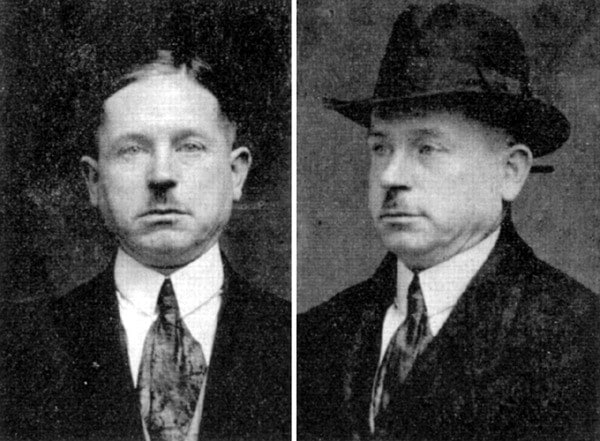
Peter Kürten police mugshot, 1931. Photographer unknown; Wikimedia Commons, CC BY-SA 3.0.

⬅ See all events from 23 August

Spread the word on your favourite platform!
On This Day in True Crime History

Subscribe to Dark Stories

True crime stories, dark history and tour news, straight to your inbox.